
Business meetings among castles and palaces of Paradores in 2027
Halls filled with history and local cuisine give character to conventions and corporate meetings
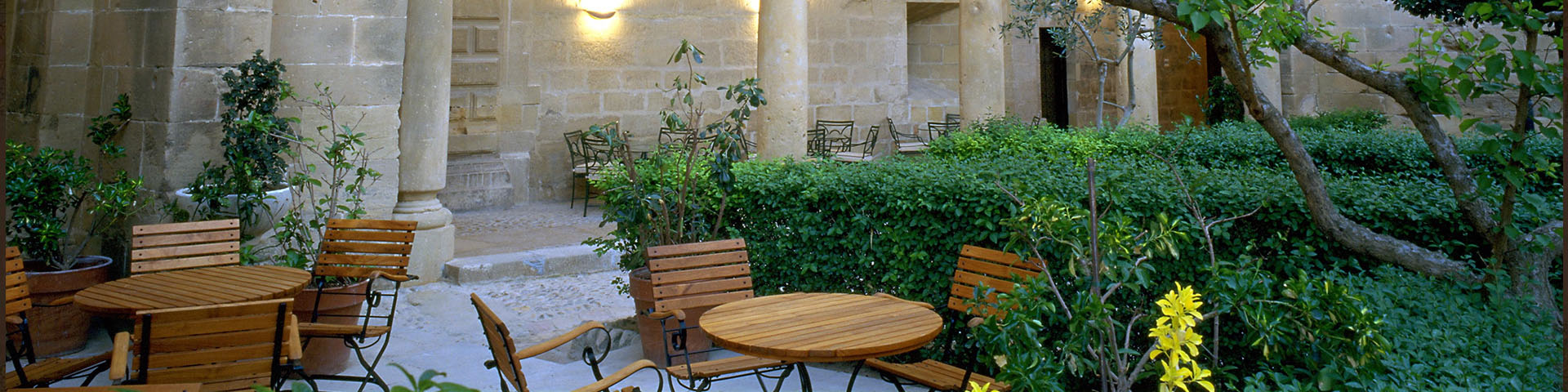
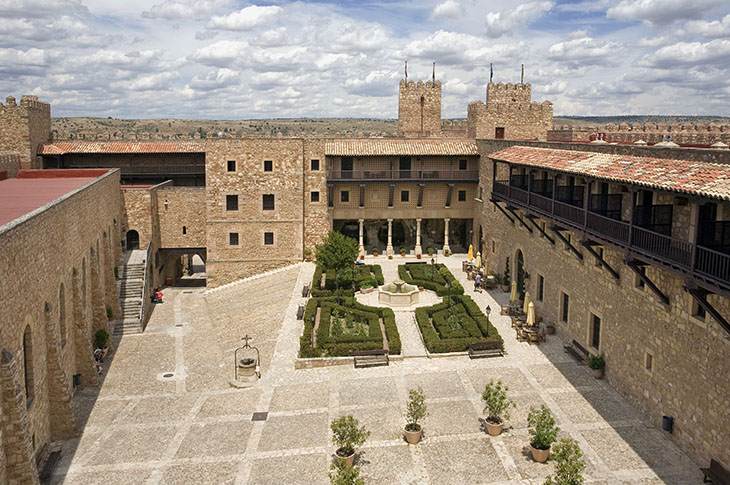
Organizing a MICE event in 2027 can also be a way to become familiar with the heritage, explore local flavours and share experiences that extend beyond the conference room. The Paradores network combines castles, palaces and historic buildings with spaces for various formats, specialized equipment and tools to reduce the environmental impact of each event, while Alcañiz, Sigüenza, León and Cáceres offer four settings where the chosen location forms an integral part of the experience and the memories. Breakfast in a Romanesque cloister or a conversation by the Bernesga River switch up the usual setting of a business trip. The Paradores concept allows for the incorporation of these moments into workdays, conventions and product presentations, with facilities adapted to the various needs. The network offers everything from small rooms for private meetings to spaces with capacity for 1,000 people. At the Parador de Alcañiz (Aragón), the meeting begins at the summit of the Pui Pinos hill. The castle-convent from the 12th and 13th centuries preserves the keep (fortified tower) and the Palacio de los Comendadores from the 18th century. Its 37 rooms and three halls allow for various formats to be planned: San Jorge accommodates up to 12 people; Juan de Lanuza, 180; and La Concordia, 230, depending on the layout of said space. Its cloister, the gallery of the old palace and the garden offer settings in which to enjoy breaks. Once at the dining table, the La Concordia restaurant presents Aragonese cuisine with migas, Ternasco lamb and Teruel ham. The Castle of Sigüenza (Castile-La Mancha) offers another scale of splendour: the Doña Blanca and Throne Rooms reach a maximum capacity of 300 people each; Cardenal Mendoza, 125; and the Chapel Room, 40, with capacities varying according to setup. The parade ground enables the organization of musical events or presentations. The Romanesque chapel and vaulted dining room maintain the mediaeval atmosphere, accompanied by locally sourced gastronomy featuring roasts and migas. The Barranco del Río Dulce Natural Park expands the possibilities available during the stay with walking or cycling routes.
In León (Castile and León), the former Hostal San Marcos facilitates meetings surrounded by art and architecture. The cloister and chapter hall, the latter with Mudéjar coffered ceilings, join the offering of various halls for congresses and celebrations. The café under the roof by Lucio Muñoz and the terrace on the banks of the Bernesga offer unique spaces for extended conversations. The art collection, featuring works by Eduardo Chillida, Fernando Zóbel and José Vela Zanetti, adds a cultural dimension that can be continued in the city among the cathedral, Casa Botines and the Húmedo and Romántico neighborhoods.

The Parador de Cáceres (Extremadura) unites two ancient palaces, firmly rooting the stay in the heart of the historic centre, declared a UNESCO World Heritage Site. Courtyards, wooden beams and an original fireplace blend harmoniously with a renovated interior. The restaurant, terrace and café foster meetings and informal chats, while the Extremaduran cuisine relies on products with a protected designation of origin. Outside the building, cobblestone streets lead to fortified houses, churches and the cistern of Las Veletas Palace. The preparation of meetings is also supported by the Sustainable Events Guide, which is linked to the 2025–2028 Sustainability Plan. The guide’s recommendations cover various phases of events and the well-being of attendees. The carbon footprint calculator is able to estimate emissions and generate a personalized report; compensation is voluntary and can be carried out through CO₂ absorption projects registered in the MITECO registry. Opting for local products and suppliers helps ensure that the activity of the corporate gathering also translates into opportunities for the surrounding area.