
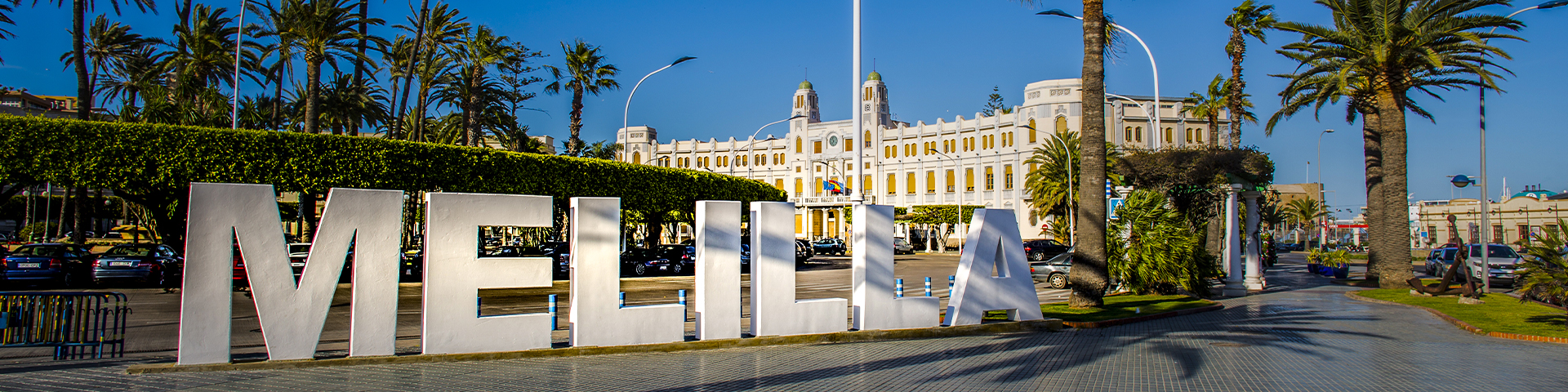
Modernism in Melilla, a unique urban gem
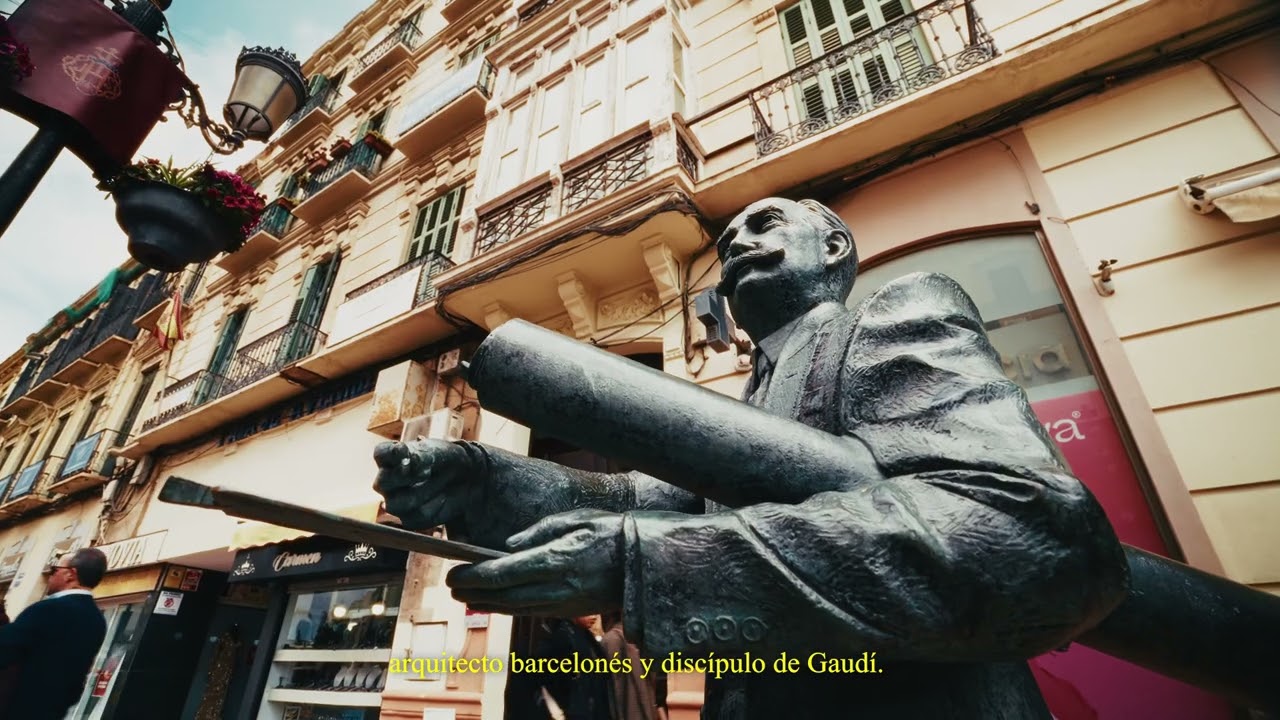
Melilla preserves one of the most unique modernist and Art Deco sites in Spain, second only to Barcelona in terms of the number of buildings in these styles. In its streets, ornamented facades, floral motifs, female faces, grilles, windows, and monuments make the walk an architectural experience of high cultural value, revealing the historical identity of a Spanish city situated in North Africa and opening onto the Mediterranean. The main setting for the route through this legacy is the Expansion district. There, the modern city took on a recognizable form thanks to planning based on wide avenues, orthogonally laid-out streets, and a layout based on urban models of the early 20th century. This structure ensured that the buildings did not appear as isolated pieces but were integrated into a coherent, harmonious landscape especially designed to accommodate architecture with a strong visual presence. This urban growth corresponded to a period of intense transformation. Population growth, industrialization, commercial and port activity, and prosperity in the Rif area fueled new construction needs. On that foundation, military engineers such as Eusebio Redondo Ballester and José de la Gándara helped to organize the city's expansion, laying the groundwork for Melilla to develop a modern image without forsaking the uniqueness of its historic enclave. The arrival of Enrique Nieto in 1909 marked a turning point. Trained in Barcelona and linked to Catalan Modernism, the architect introduced an ornamental language in Melilla that transformed its urban appearance. Its facades added curved lines, earth tones, plant motifs, geometric shapes, and an elegant expressiveness —more restrained than the Catalan style, but endowed with its own personality. Over time, his work also incorporated classical, baroque, and Art Deco styles, broadening the ensemble’s formal richness. The so-called Golden Triangle features some of the most recognizable landmarks of this route. From the Plaza de España Square, this walk extends along Avenida de Juan Carlos I Rey and the streets of Ejército Español and López Moreno, where buildings such as the Palace of the Assembly, Casa Melul, Casa de los Cristales, Casa Tortosa, the Chamber of Commerce, La Reconquista, El Telegrama del Rif, and El Acueducto stand. Each one offers a different interpretation of Melilla’s Modernism: monumental, floral, glazed, geometric, or hybrid.
The destination's uniqueness is further reinforced by its religious buildings. The Or Zaruah Synagogue (or Yamín Benarroch Synagogue), the Central Mosque, and the Church of the Sacred Heart of Jesus explain how this style became integrated into a plural city, where architecture also expresses its cultural coexistence. With hundreds of listed buildings and an updated Modernist inventory, Melilla presents itself as a remarkable urban museum, a compact and astonishing ensemble that turns the observation of its streets into a form of journey.
Location
Melilla is an autonomous Spanish city located in North Africa, by the Alboran Sea. Its main access points are Melilla Airport, with domestic flights, and the Port of Melilla, with ferries from Málaga, Almería, and Motril.