
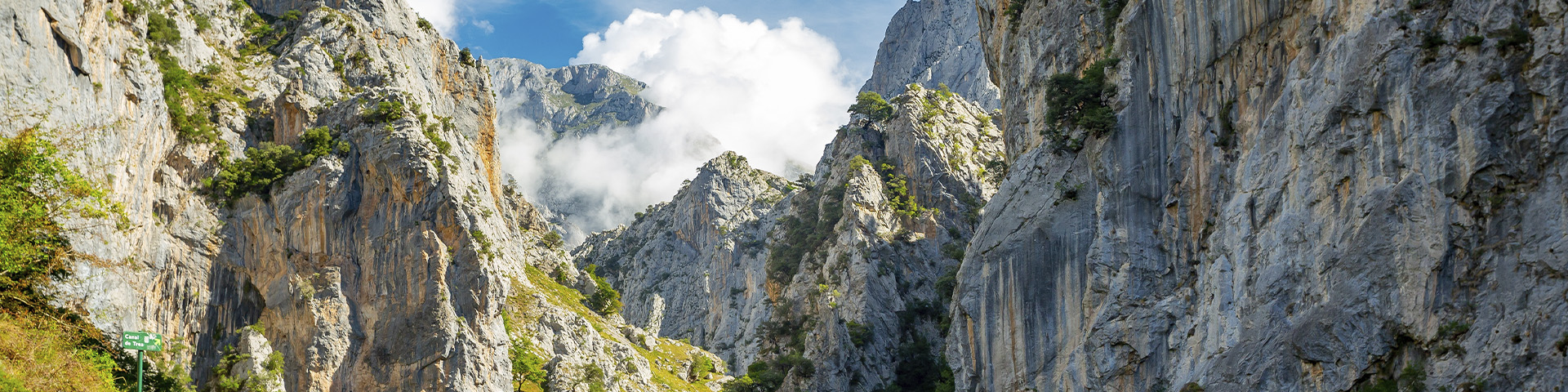
Spain Is Much More projects a different Spain to the world
The Turespaña initiative consolidates itself as a showcase of inland, cultural, and natural Spain.
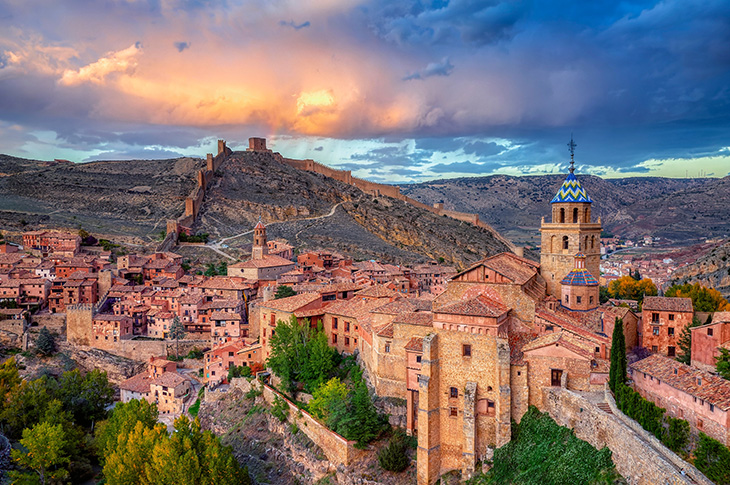
The Spain Is Much More project takes one step further in its international promotion strategy after completing its first edition in 2025 dedicated to the lesser-known inland Spain, as it launches a second edition to be held between June 20 and 26 this year, focused on active and nature tourism. Driven by Turespaña, in collaboration with Paradores and the participating regions, the program brings together a traveling formula, segmented by markets and designed to generate audiovisual storytelling with the help of international influencers selected by Tourism Offices abroad. Spain Is Much More organizes and projects Spain’s tourism diversity through a shared narrative. The initiative transforms the territory into a sequence of interconnected experiences, where each route responds to a market, a travel sensibility, and a specific way of discovering the country. Heritage, landscape, gastronomy, and authenticity are all integrated into a proposal that showcases a Spain bursting with narrative power. The first edition, held between October 19 and 23, 2025, was dedicated to the inland mainland villages and was structured around six simultaneous routes across nine regions, with participation from journalists, influencers, and content creators from Latin America, France, the United States and Canada, the United Kingdom, Germany, and Italy. The project was born with the aim of giving visibility to a lesser-known Spain in international markets, emphasizing experiential tourism, slow travel and immersion in the territories. The program was based on two central, common pillars: stays at Paradores and visits to towns affiliated with The Most Beautiful Villages of Spain network, along with other sites chosen for their cultural, natural, or scenic interest. Based on this shared foundation, each itinerary was adapted to the profile of the target audience. The Northern Route linked the communities of Asturias and Cantabria to show the Latin American market a combination of coast, mountains, Indiano architecture, and regional gastronomy. The Northwestern Route brought a Catalonia made up of valleys, medieval heritage, and mountain flavors to the Italian market. The Eastern Route, shared by Catalonia, Aragon, and Castile-La Mancha, offered the French market a tour through regions of strong identity, historic towns, open landscapes, and cuisine closely tied to the territory. The Southern Route linked Andalusia with Castile-La Mancha across a journey designed for the United States and Canada, featuring monumental cities, olive groves, white villages, and a clear culinary dimension. The Western Route connected Extremadura with Castile and León for the British market, through nature, living history, and local cuisine. Finally, the Central Route brought together Castile and León, Castile-La Mancha, and Madrid in a proposal aimed at the German market, featuring castles, historic towns, and leisurely travel experiences.
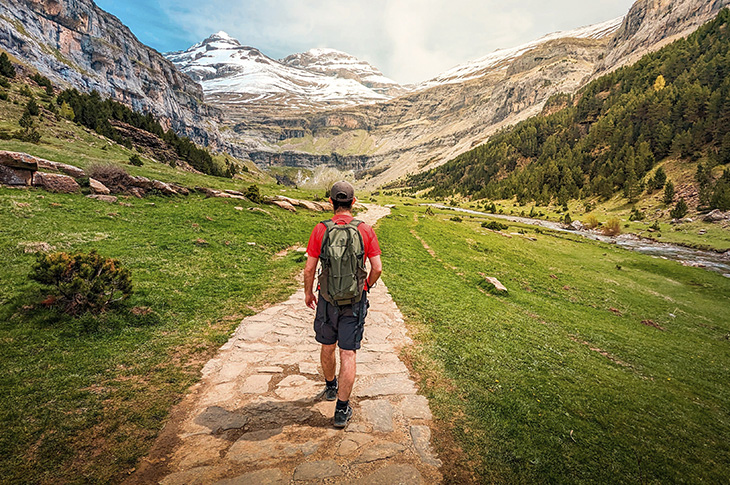
This project will continue with a second edition that maintains the premise of a collective road trip, though it shifts the thematic focus. The new edition revolves around active and nature tourism, with great emphasis on the National Parks Network and various protected natural areas. To do so, each itinerary has been designed around a national park or a natural destination of special value, from both the Spanish mainland and islands, amid land and maritime environments.
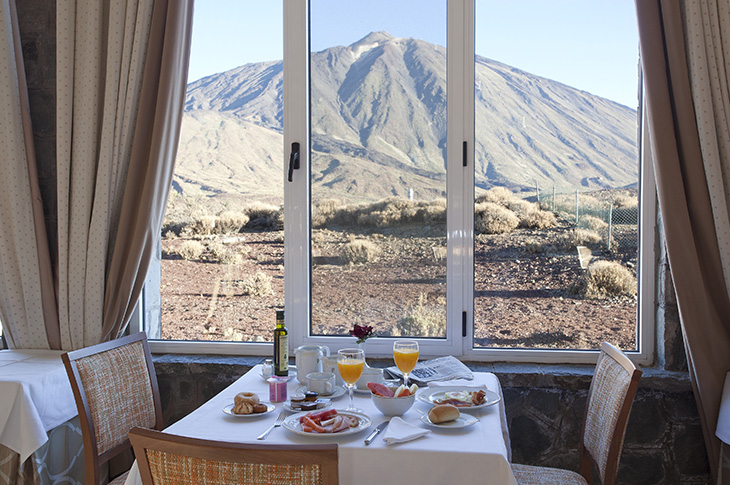
This new edition once again benefits from the collaboration of the regions involved and the Paradores de Turismo network. Specifically, the Canary Islands, Galicia, the Region of Valencia, Andalusia, Castile-La Mancha, Aragon, and Catalonia will take part alongside 17 Spanish tourist offices, seven national parks (Doñana, Caldera de Taburiente, Teide, Ordesa, Atlantic Islands, Tablas de Daimiel, and Cabañeros), and two prominent natural spaces, the Albufera de Valencia and Hoces del Cabriel, as well as eight Paradores de Turismo: Mazagón, Teide, La Palma, Almagro, Baiona, Bielsa, El Saler, and Cardona.
Through six routes across different points of our geography, this project showcased a different Spain to thirty content creators specialized in active and nature tourism, coming from 18 international source markets. Each group consisted of five guests, accompanied by a coordinator, allowing for smaller formats, greater mobility, and a more immersive experience. With the second edition, Spain Is Much More brings together an international promotion model based on crafting stories segmented by product and market, institutional and territorial collaboration, and the capacity of content creators to translate the country’s tourism complexity through contemporary, visual, and highly shareable narratives. The initiative organizes the destination’s diversity and projects it through experience, authenticity, and thematic specialization.