
The Spanish Nature Trails and Greenways Passport
Former railway lines establish themselves as sustainable routes and inland tourist attractions
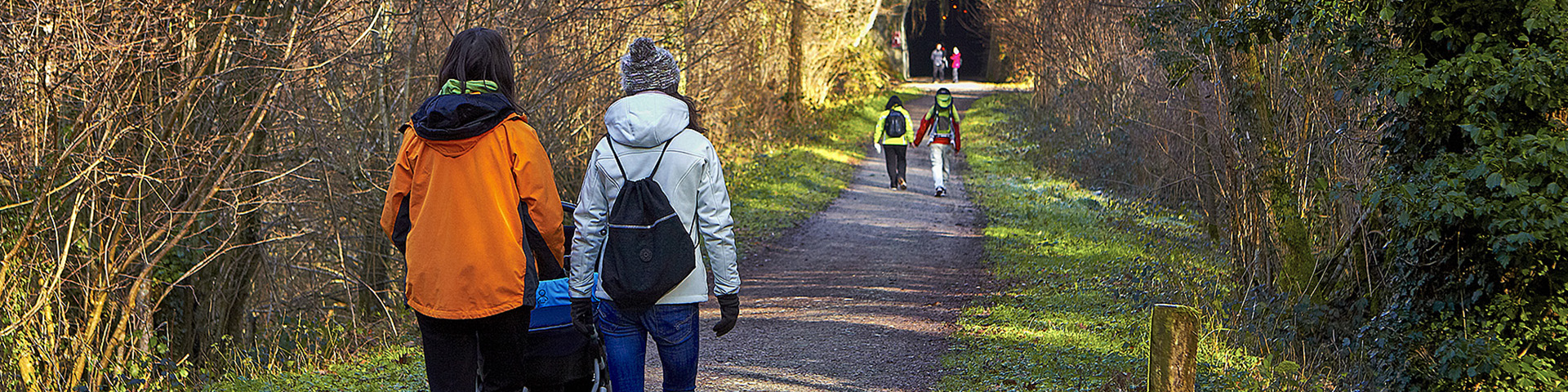
The transformation of former train lines into accessible, soft-mobility routes has positioned the Greenways as one of the strongest examples of the recovery of railway heritage in Spain. Today, this evolution—developed over more than three decades on a network exceeding 2,100 miles—is complemented by the Spanish Nature Trails and Greenways Passport, a tool that adds experiential value to the product and opens up new possibilities for tourism promotion in the area. Since more than 4,700 miles of disused railway lines were identified in 1993, the Greenways (Vías Verdes) Program has structured a proposal capable of connecting heritage recovery, sustainable mobility, and active tourism. What began as a means to reuse infrastructure no longer in service has been consolidated, more than thirty years later, as a network of over 2,100 miles and around 140 itineraries, present in all Spanish regions except the Canary Islands. The strength of this model can be understood from its very design. The Greenways offer comfortable, safe routes with gentle gradients, designed for walking, cycling, or enjoying the surroundings at a leisurely pace. This configuration, combined with its predominantly accessible nature, broadens the range of audiences targeted and transforms these routes into a versatile offering, aligned with the growing demand for outdoor experiences linked to well-being, nature, and territorial discovery.

Alongside this appeal, they offer differentiating value for the tourism sector: the restoration of more than 130 old stations, rehabilitated for new uses. Accommodation, catering services, bicycle rentals, and small exhibition spaces have helped transform this route into a more comprehensive experience, with the capacity to generate economic activity and encourage longer stays at the destination. The reach of this network transcends the recreational dimension. The Greenways have boosted services in rural areas, supported local employment, and contributed to decentralizing and deseasonalizing tourist flows. Collaboration between ministries, regions, provincial councils, municipalities, and management entities has been decisive in consolidating a model that combines public investment, territorial management, and the promotion of railway heritage.
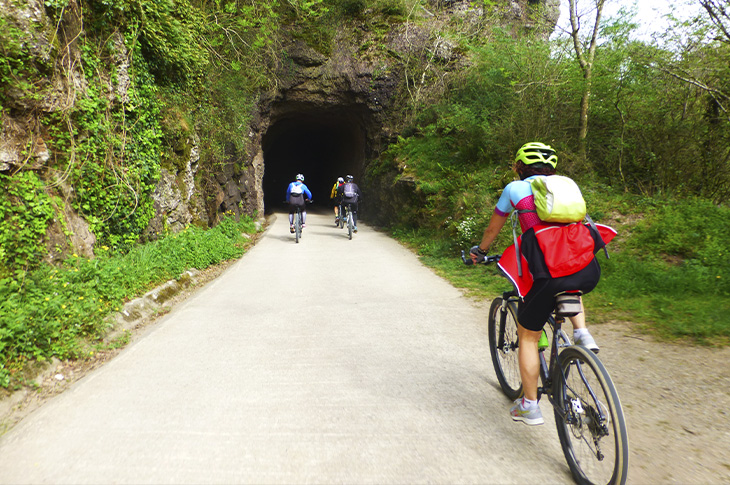
In this new phase, the Spanish Nature Trails and Greenways Passport incorporates an additional layer of appeal. Designed in both physical and digital formats, it allows tourists to stamp each stage at strategic points and turn each route into a participatory and memorable experience. The initiative currently includes 50 itineraries and over 3,700 miles across the network, with each stamp including an image linked to the natural, cultural, or historical heritage of the route, thereby strengthening the emotional connection with the place. Its digital version, developed as part of the Greenways Experiment (Experimenta Vías Verdes) project, further expands possibilities for interaction and tracking, while the reward system in place until December 31, 2027, adds an incentive to discover new itineraries. These rewards are organized into three categories depending on the number of stamps obtained: with 5 to 8 stamps, participants can opt for short rural getaways with various activities and promotional material; with 9 to 11 stamps, full experiences with two nights of accommodation including breakfast, active tourism, and admission to cultural sites; and with 12 or more stamps, premium packages featuring lodging in Paradores establishments, routes including transfers, gastronomic workshops, and personalized assistance. Thanks to all this, the Greenways model continues to evolve without losing its essence. It remains a proposal for sustainable and active tourism, but incorporates tools that enrich the experience, build traveler loyalty, and project railway heritage as a competitive asset with great potential for inland tourism.
Additional information