
Shopping tourism in Seville: fashion, craftsmanship, and tradition with its own unique style
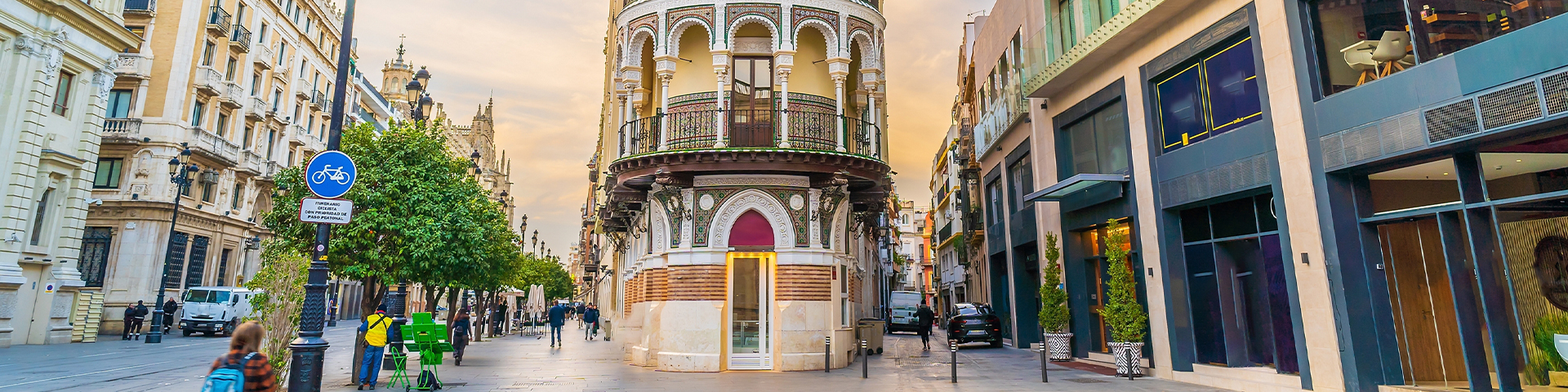
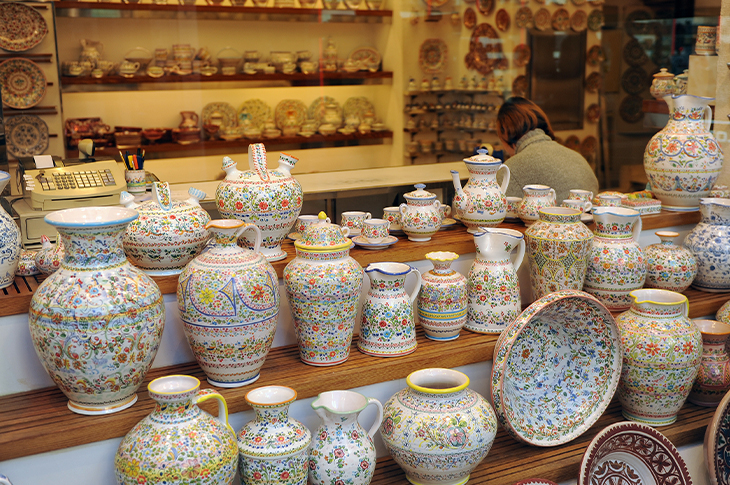
Seville is turning shopping tourism into a cultural, urban, and identity experience, where major brands coexist with century-old shops, emerging designers, artisan workshops, traditional markets, and creative spaces. From the pedestrian center to Triana and from concept stores to flamenco fashion, the city invites you to discover its character through shop windows, traditional pieces, and crafts that maintain a living dialogue with the most contemporary trends. Among the streets of Sierpes, Tetuán, O’Donnell, Rioja, Velázquez, Plaza Nueva, Magdalena and El Duque lies one of the most recognizable commercial routes in Seville. In this pedestrian environment, national and international brands, jewelers, fashion labels, beauty establishments, historic bookstores, cafes, gourmet spaces, and traditional shops that preserve the city's commercial heritage thrive. It is a route designed for those seeking to combine trendiness, heritage, and urban strolls. The experience can be expanded in neighborhoods revealing their own personality. Triana maintains its connection to ceramics and pottery, with handcrafted pieces, tableware, vases, tiles, and custom works that refer to a tradition that began in the Islamic period and was later enriched by the Mudejar influence. The Triana Ceramin Center brings visitors up close to this legacy, still visible in streets, courtyards, restaurants, and small wineries. In Los Remedios, Asunción Street combines fashion, accessories, furniture, and decor, while Nervión is home to major brands and shopping centers that are well connected to the city center.
La Alfalfa, Cuna, Francos, Álvarez Quintero, Puente y Pellón, Regina, José Gestoso and the area around Encarnación reveal another Seville: one of flamenco fashion, party and bridal dresses, shoes, fabrics, embroidery, lace, wax works, concept stores, and folk chic proposals. Around Las Setas, the so-called Soho Benita brings together spaces where fashion, decor, slow fashion, local tailoring, and limited editions coexist. The city also establishes itself as a showcase for haute couture, bridal fashion, and independent design. Along its streets, designer workshops, emerging creators, specialized boutiques, and historic establishments dedicated to traditional trades coexist, from hat making to artisanal accessories, in a route that combines elegance, local identity, and a contemporary outlook on Sevillian creation. Added to this are food markets, craft and antique fairs, art galleries, bookstores, exhibition spaces, and shopping centers. Shopping in Seville is a way of exploring the city through its trades, neighborhoods, and lifestyles. Every shop window, workshop, and market broadens the narrative of a destination that continues to preserve its commercial heritage while incorporating new forms of design, creation, and consumption.
Location
Seville is located in southwestern Spain, in Andalusia, on the banks of the Guadalquivir River. Its main access points are the Seville-Santa Justa train station; Seville Airport, about 10 kilometers from the city center and connected by the A–4; the A–4, A–49, and A–66 highways; and the Port of Seville.