
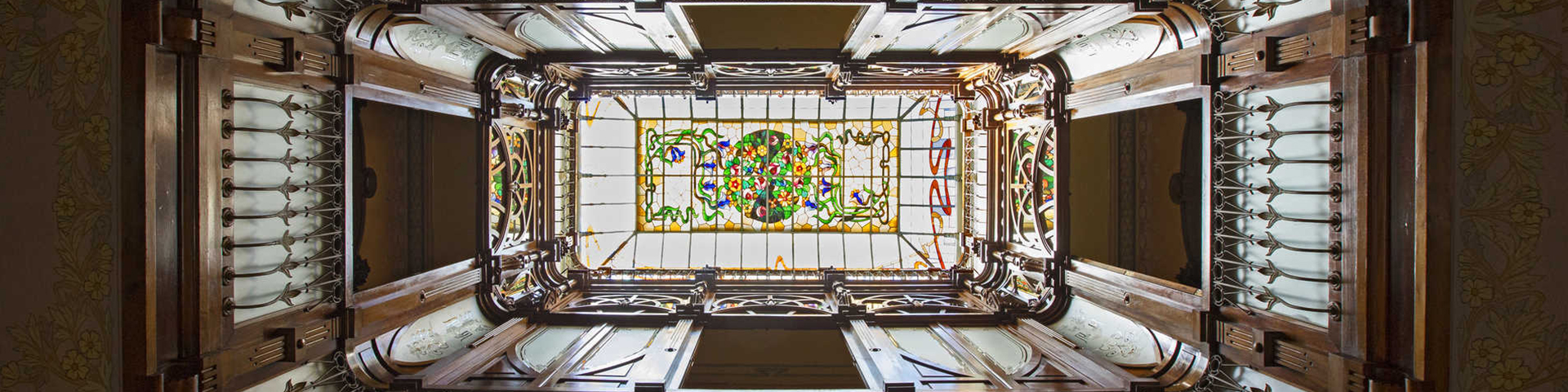
The modernist route that connects Castellón, Valencia and Alicante
Wrought iron façades, ceramics and glass reveal stories along the way
Markets with stained glass, train stations adorned with ceramics and houses where wrought iron forms shapes inspired by nature outline a route through Modernism in the Region of Valencia. The route allows visitors to discover the imprint of commerce and industry in its cities and combine the contemplation of façades with guided visits, unique interiors and festivals that revive the atmosphere of an era whose legacy remains present in Burriana, Castellón de la Plana, Valencia and Alcoy. Between the late 19th and early 20th centuries, Modernism introduced curved and asymmetrical lines, floral adornments and materials such as iron and glass – linked to the Industrial Revolution – to architecture. In the Region of Valencia, it also left a significant mark on the art of ceramics, and its expansion was closely linked to a bourgeoisie that sought to incorporate the trends of other European cities into its buildings. Oranges help explain how this momentum manifested in Burriana. The splendour of the citrus trade and international export allowed merchants and wealthy families to decorate their houses according to the architectural fashions of the moment. This is the reason why the façades retain the traces of that prosperity to this day, with details that bring visitors closer to Modernism and other movements of the Belle Époque.
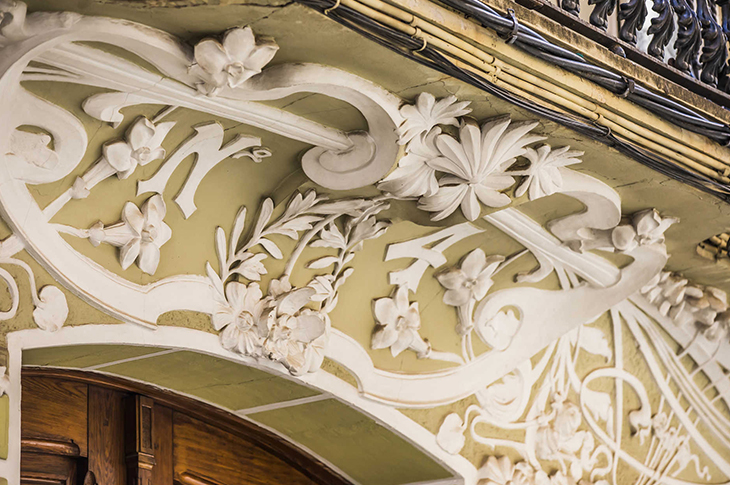
In Castellón de la Plana, the tour begins at Plaza de la Independencia, commonly known as La Farola, to appreciate the square’s façades. The kiosk in front of the Teatro Principal, the Post Office building and the Casa dels Caragols (House of the Snails) present unique stops. The province expands its options with the towns of Benicasim and Onda, the latter linked to the fabrication of modernist designs in its tiles. In Valencia, the modernist aesthetic acquired its own personality by incorporating motifs such as oranges and elements like traditional tiles, with decorations ranging from geometric compositions to extravagant Baroque finishes. The materials help guide the onlooker’s gaze: metal takes centre stage at the Mercado de Colón; ceramics coat the façade of the North Station; and coloured glass distinguishes the Mercado Central.

The Plaza del Ayuntamiento and its surroundings are home to the Post Office building, Casa Noguera and the Suay building, among others. From there, the walk continues on towards Casa Ferrer and Casa de las Golondrinas. On the other side of the Turia Garden, the Exposición neighbourhood houses the Palacio de la Exposición, the Industria Lanera Valenciana building and the Old Tobacco Factory, all adapted to new uses. In Alcoy, a peacock on the lintel of a door demands a closer look. The Casa del Pavo features mosaics and wrought ironwork on its bay windows and balconies. The Industrial Circle, historically linked to Alcoy's bourgeoisie, unites Viennese Secession, Art Deco and Art Nouveau styles in its interior. The Old Fire Station and the Music and Dance Conservatory are further stops on a heritage route included in the European Route of Modernism.
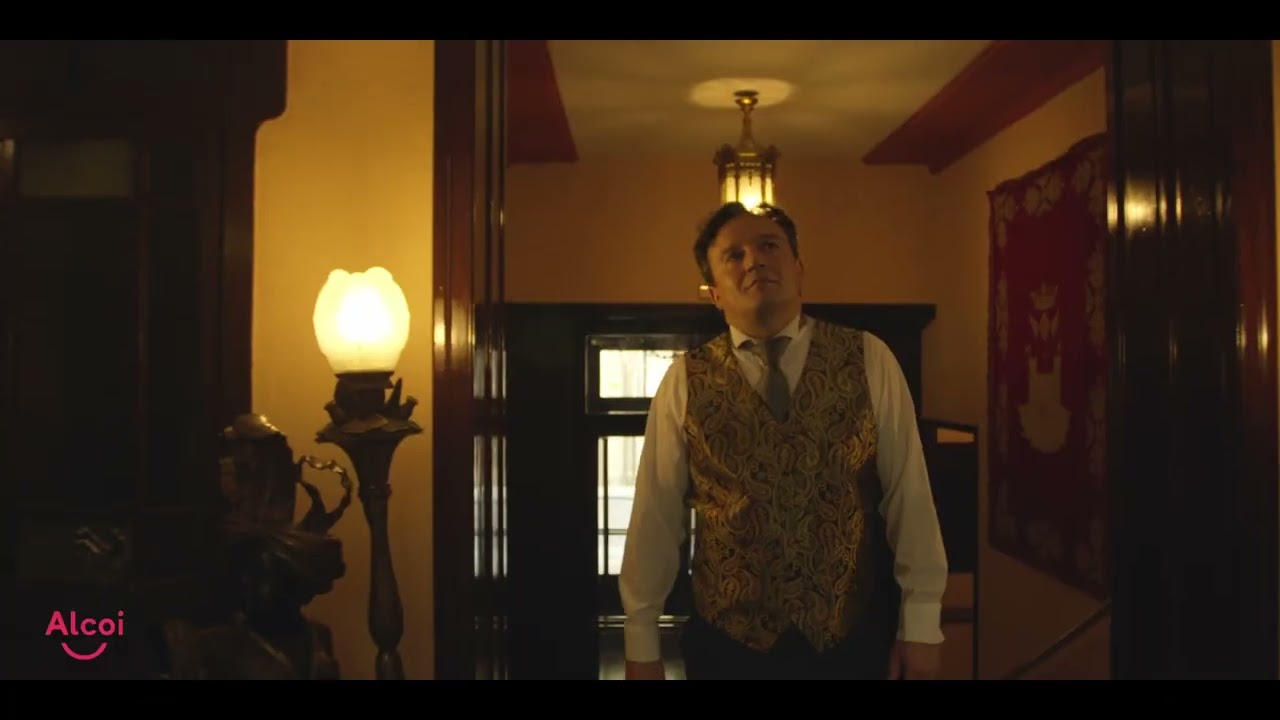
Alcoy Modernist Week offers an approach to this past at a different pace. Guided tours and theatrical itineraries coexist with exhibitions and Modernist dinners. During these days, some Modernist houses make a special exception and open their doors, allowing the public to discover interiors that are usually closed to street tours. Location The Region of Valencia is located in the east of Spain by the Mediterranean Sea. Its main access points are the airports of Valencia, Alicante-Elche and Castellón, as well as the ports of Valencia, Denia and Alicante; and the railway stations of Valencia-Joaquín Sorolla, Alicante Terminal and Castellón de la Plana.