
Responsible Tourism in Asturias, Cantabria, and Navarre
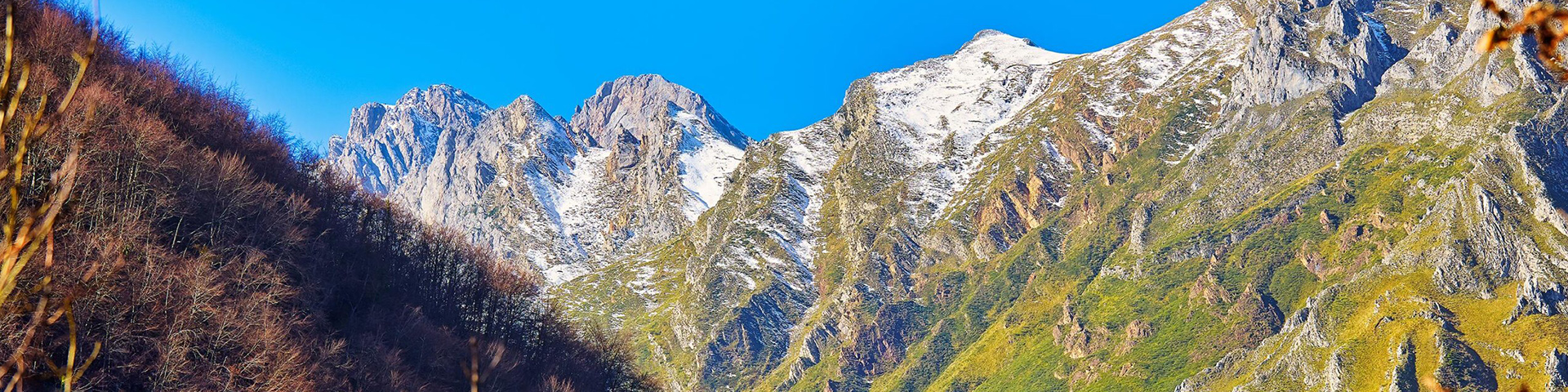
Asturias, Cantabria, and Navarre are redefining responsible tourism through an approach that combines environmental protection, local identity, and meaningful experiences. In this context, visitors cease to be fleeting observers and become part of an even broader balance. Awareness campaigns, sustainable initiatives, technology projects, ecotourism routes, and regenerative initiatives point the way toward a vision that encourages slow travel, preserves authenticity, and creates value in every region. In Asturias, the RespeTurismo campaign proposes a word to describe a recognizable attitude: that of those who plan, listen, adapt, and view travel as a reciprocal relationship. Its ten-point guide transforms values such as commitment, sustainability, empathy, curiosity, responsibility, and positivity into a roadmap for discovering a region that is more authentic and connected to its landscapes, customs, and communities. The proposal features images and audiovisual content that look beyond the major tourist attractions to showcase lesser-known spots and help ensure a more balanced distribution of tourist flows and wealth. That narrative ties in with the new Master Plan for the Use and Management of the Asturian side of the Picos de Europa National Park, which governs conservation, public use, and sustainable rural development, with a focus on extensive livestock farming, local products, mountain safety, and quality tourism. Cantabria is moving forward on a complementary path, coordinating various projects that combine nature, mobility, accessibility, technology, and the local community. The Green Spain Ecotourism Reserve combines protected areas in Cantabria with birdwatching experiences, guided tours, bee tourism, active tourism, gastronomy, and cultural exploration of the region, as part of an initiative designed to reduce seasonality, revitalize rural communities, and promote more leisurely stays.

In Liébana, the extension of the Tourism Sustainability Plan allows investment to continue in areas such as heritage, signage, environmental impact reduction, e-bike tourism, and various products like Liébana Slow Tourism. In Alto Asón, the revitalization of the region’s image, the network of nature trails and river routes, and the “Ecos del Asón” brand are reinforcing a model that brings together regional cuisine, local products, and the local economy. Navarre focuses on the impact each trip leaves behind. The project Huella Positiva (Positive Footprint) brings regenerative tourism to the realm of experience and invites visitors to participate in 14 activities that restore heritage, protect biodiversity, rehabilitate trails, support rural communities, or create sanctuaries for birds and butterflies. The goal is for this visit to make a tangible contribution to the area.
Adding to this vision is the initiative From Farm to Table, which connects 60 producers with 50 establishments so that the orchard, the forests, and local livestock appear on menus with an origin, face, and story. In all three destinations, sustainability becomes practice, product, and experience. The north proposes traveling with more consciousness and depth, to discover, savor, learn, and contribute to each territory preserving its character.