
Religious tourism in Spain: devotion, faith, and heritage
Routes, sanctuaries, and celebrations promote a more conscious, spiritual way of traveling
Religious tourism in Spain in 2026 showcases an offering that goes beyond its major icons, supported by jubilees that are still in force, alternative routes, sacred heritage, and initiatives promoted by dioceses and destinations to diversify the spiritual journey. This segment offers experiences where culture, history, devotion, landscape, and personal discovery converge in a deeper interpretation of the area. The religious calendar preserves several key milestones with an open itinerary, conceived not only as commemorative dates but also as calls able to inspire and sustain pilgrimages, temple visits, commemorative events, cultural programs, and proposals linked to heritage. The Jubilee Year of Saint Francis of Assisi, which began on January 10, 2026, and remains in force until January 10, 2027, commemorates the 800th anniversary of his death and grants plenary indulgence to those who visit Franciscan churches. The Jubilee Year of Saint John of the Cross will remain active until December 27 this year in Úbeda, Ávila, and Segovia, with designated temples and celebrations around the third centenary of his canonization and the first centenary of his proclamation as Doctor of the Church. Other events that help organize travel during the last months of the year are also still in place. In Valladolid, the Holy Year of Sanctity extends until December 10, 2026; Alcoy, in Alicante, celebrates the Jubilee Year of Saint George from April 23, 2026, to April 23, 2027, marking 750 years of his patronage; Abanilla, in the Region of Murcia, is maintaining the Holy Year of the Holy Cross at the Parish of Saint Joseph throughout 2026; and Andújar, in Jaén, is celebrating the Jubilee Year of the Virgin of the Head from October 4, 2026, to December 8, 2027, centered at the Royal Basilica Sanctuary of Our Lady of the Head and linked to the 800th anniversary of her apparition.
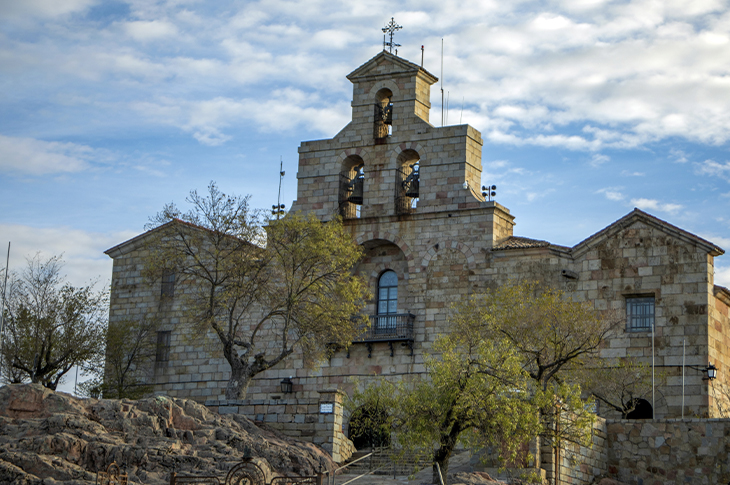
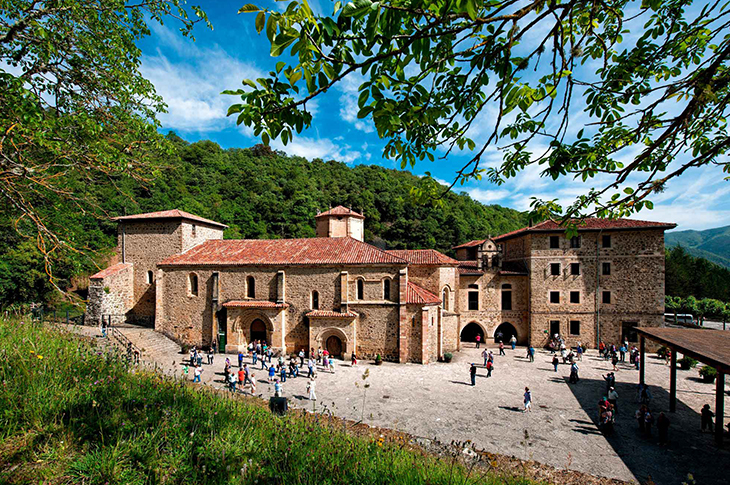
These routes strengthen that ability to structure the territory without relying on the most well-known paths. The Ways to Guadalupe make up a historic network of 16 routes leading to the Royal Monastery of Guadalupe, in Extremadura, aimed at the recovery, promotion, and cultural, spiritual, and natural dynamization. The Vía Basilicarum traces a route through five basilicas in Aragón to highlight some of its architectural gems. The Ignatian Route and the Teresian Route link travel with essential figures of Spanish spirituality, while Caravaca de la Cruz (Murcia) and Santo Toribio de Liébana (Cantabria) retain their status as places of perpetual jubilee.
Among the proposals of particular interest is the Santiaguista Way of Uclés, which revives a medieval route between the church of Saint James (Madrid) and the Monastery of Uclés, in Cuenca, the historic seat of the Order of Saint James. Added to these is the Rías Baixas Nautical Route, an alternative form of pilgrimage that combines sailing, cultural heritage, spirituality, maritime identity, and gastronomy, with a responsible, off-season perspective on the Galician coastline. Heritage continues to be the main foundation of religious tourism. Spain has 3,161 Cultural Interest Sites belonging to the Church, 283 diocesan museums, and an extensive network of cathedrals, monasteries, sanctuaries, hermitages, and temples spread across large cities and smaller municipalities. At the crossroads of memory, spirituality, and territory, Spanish religious tourism can offer a vibrant, diverse, and recognizable experience, where temples, itineraries, celebrations, and sanctuaries engage travelers through history, art, and emotion. Its strength lies in the continuity of a heritage that is visited, interpreted, and shared, and in a network of places that allows one to traverse the country through the depth of its symbols, inner landscapes, and traditions.