
Four spa towns in Green Spain to visit this winter
Historic spa resorts, rock art and seaside strolls for a laid-back getaway in the north of the country
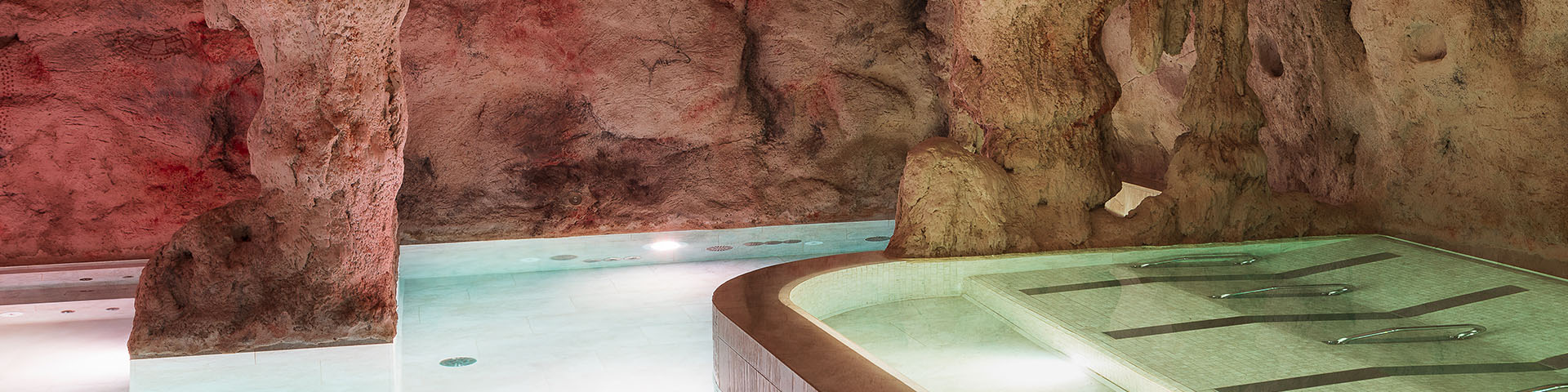
In four locations dotted around Green Spain, buildings constructed around thermal springs coexist with caves, riverside trails and promenades by the sea. This proximity between spas and their surroundings offers the senior tourism sector a way to organize each stay at leisure, alternating time at the establishment with unique visits that add a historical and scenic dimension to the trip. In Zestoa (Gipuzkoa, Basque Country), the spa opened in 1804. The original Bathing House and Grand Hotel, dating back to 1893, allow guests a glimpse into different stages of a tradition linked to a legend: in 1760, the Marquis of San Millán reportedly observed how his dogs, suffering from scabies, were cured after bathing in hot water springs. The spa resort, surrounded by gardens, presently has 127 rooms, two restaurants, a terrace and a café. From this town, another day can be dedicated to heritage culture, as Ekainberri features a faithful replica of the Ekain Cave, included in the UNESCO World Heritage List for its prehistoric rock art. Further inland, Azpeitia houses the Sanctuary of Loyola, while towards the coast, Zumaia offers access to the flysch formations.

Puente Viesgo, in Cantabria, features a close relationship between water and landscape. Its spa features the Cantabrian Circuit and the Temple of Water, designed to allow travellers to enjoy wellness through various recreational thermal practices. The village can be explored via the banks of the Pas, the old train station and the views of Mount Castillo. On this mountain, the caves of El Castillo and Las Monedas are open to the public. The Pas Greenway also offers a route for walking or cycling. Eight kilometres from Oviedo, the spa town of Las Caldas houses an 18th-century bathhouse. The spa resort, created in 1776 and designed by renowned architect Ventura Rodríguez, is part of a complex spanning over 40,000 m2 among forests and mountains. Those who wish to extend the route can take the Fuso de la Reina Greenway, which leads directly to the city on a ten-kilometre journey. Visitors can also play golf on the municipal course or canoe several kilometres along the Nalón River to the parish of Trubia.
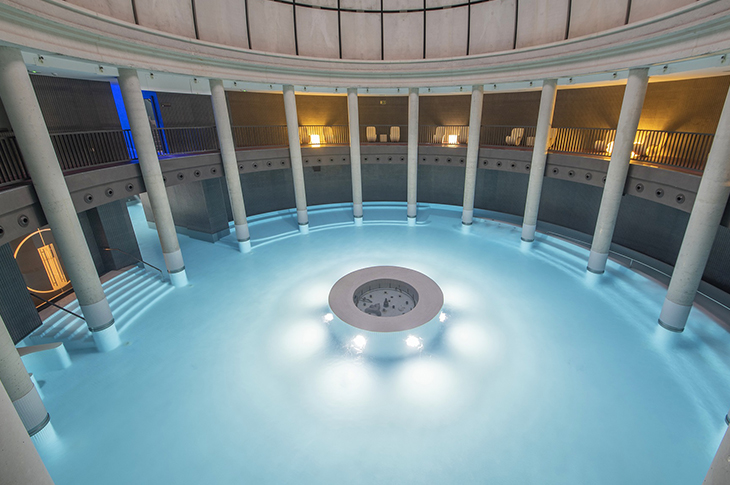
Lastly, the stop in Galicia trades the valley for an island. La Toja is connected by a bridge to O Grove (Pontevedra), and its medicinal waters were declared to be of public interest in 1868. The Eurostars Isla de la Toja hotel features a spa and thermal club, with indoor pools and a seasonal outdoor pool. Between one bathing session and the next, the island invites guests to stroll to the Chapel of the Shells, the only religious building in Spain entirely covered by scallop shells.