
Picasso Routes across Spain: from his origin to his creative genius
Cities, museums, and landscapes follow a cultural itinerary through the life of the artist
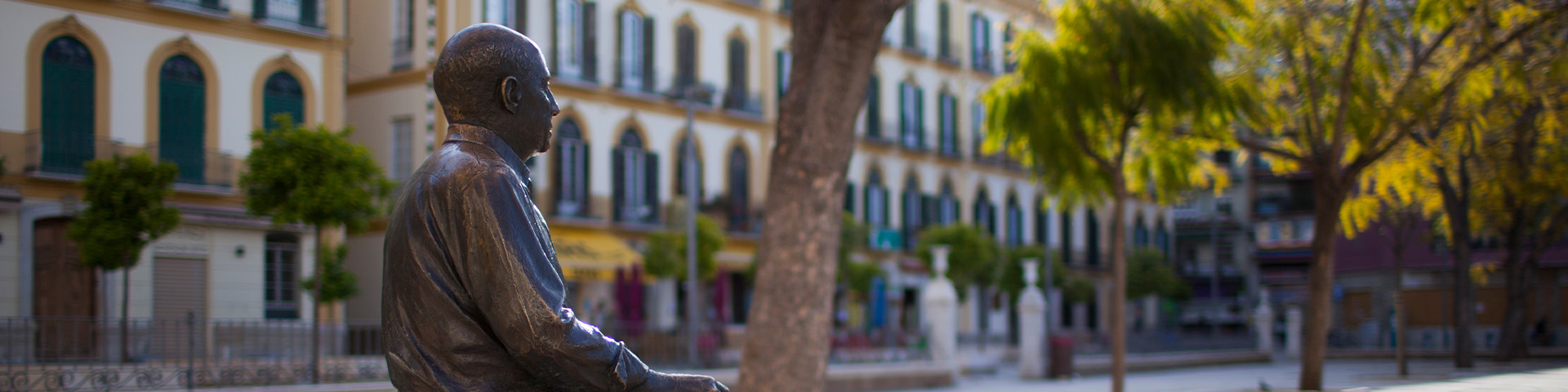
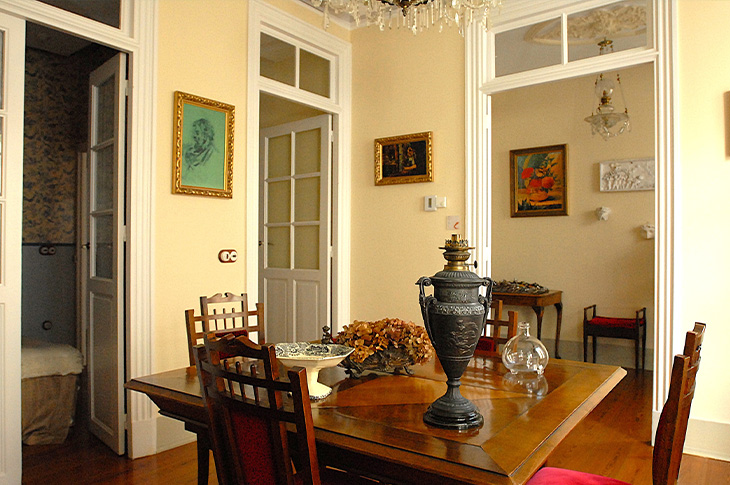
Following the tourist routes dedicated to Pablo Picasso in Spain allows visitors to interpret his biography as an interactive map of cities, museums, and landscapes where childhood, learning, and artistic experimentation engage in dialogue with the travel experience. From Málaga to A Coruña, from Madrid to Barcelona and Horta de Sant Joan, this tour connects family homes, classrooms, beaches, squares, galleries, and locations that shed light on the evolution of the creator of cubism. In Málaga, the route begins at Merced Square, next to the building where Picasso was born on October 25, 1881, and lived until 1884. The Birthplace Museum House preserves works, personal objects, and collections ranging from The Dream and The Lie of Franco etchings to illustrated books, preparatory drawings for The Young Ladies of Avignon, and lithographs. This visit continues at the Picasso Museum Málaga, housed in the Buenavista Palace, whose collection includes 230 works among paintings, sculptures, drawings, graphic art, and ceramics. The Church of Santiago, where he was baptized; the La Malagueta bullring; the former School of Fine Arts of San Telmo; and the familiar settings of Merced Square complete an urban narrative of remarkable cultural density.

A Coruña offers another significant chapter. The Ruiz Picasso family arrived in October 1891, when Pablo was about to turn 10 years old, and settled at 14 Payo Gómez Street. There, between the high school and the Provincial School of Fine Arts, the boy acquired artistic discipline, earned outstanding grades in drawing, and produced more than 200 pieces. The Picasso House Museum, Pontevedra Square, the beaches of Riazor and Orzán, Real Street, San Amaro Cemetery, and the Tower of Hercules allow visitors to follow the transformation of a student who exhibited his work for the first time before leaving for Barcelona.
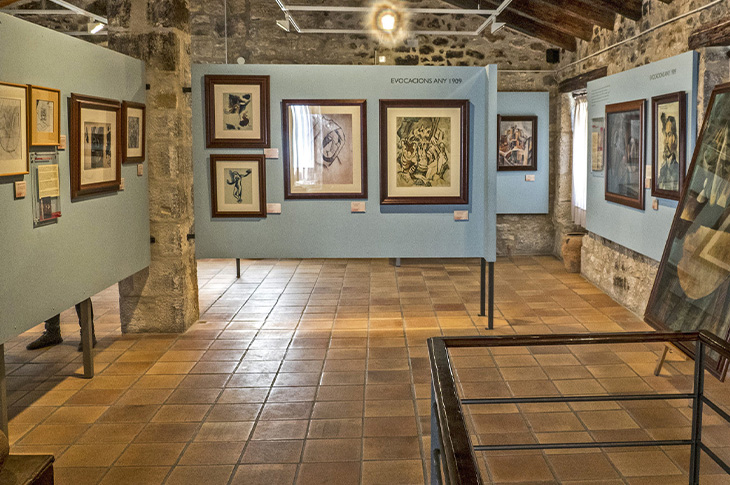
Madrid was a key city in Picasso’s education and legacy. He arrived in 1897, at the age of 16, to study at the Royal Academy of Fine Arts of San Fernando, although he soon found greater inspiration at the National Prado Museum, where the work of masters such as Diego Velázquez and El Greco influenced his artistic vision. He also created scenes of the Retiro park and, in 1901, from an attic on Zurbano Street, launched the magazine Arte Joven. Today, the capital allows visitors to follow in his footsteps at museums such as the Thyssen-Bornemisza, the Prado, and, above all, the Reina Sofía National Art Museum, which houses a significant collection of the artist’s works, including Guernica, a painting created in Paris in 1937 as a testament to the horrors of the Spanish Civil War, with a visual power that makes a visit there an essential experience. In Catalonia, Barcelona paved the way for Picasso's education, bohemian lifestyle, and creative maturity. He enrolled at La Llotja, lived in Porxos d’en Xifré, strolled along the Ramblas, through the Ciutadella Park, past the Cathedral, and in the Barceloneta neighborhood, and was a regular at Els Quatre Gats. The Picasso Museum on Montcada Street offers visitors the chance to enjoy his early works, pieces from his Blue Period, and the Las Meninas series. About 200 kilometers away, Horta de Sant Joan extends the journey through a landscape that the artist transformed into pictorial matter: Santa Bárbara Mountain, Mas d’en Quiquet, and Mas de Tafetans make up a geography linked to the Picasso Center.
These routes offer a particularly engaging way to explore Picasso’s legacy through the region. They do not just include museums: they connect streets, schools, homes, beaches, squares, studios, and family memories into a cultural offering that enriches the visit, extends the stay, and offers unique experiences in Spanish destinations of great artistic value.