
Paradores is evolving toward a more open, accessible, and diverse network
Asset renewal and universal accessibility consolidate the brand’s evolution
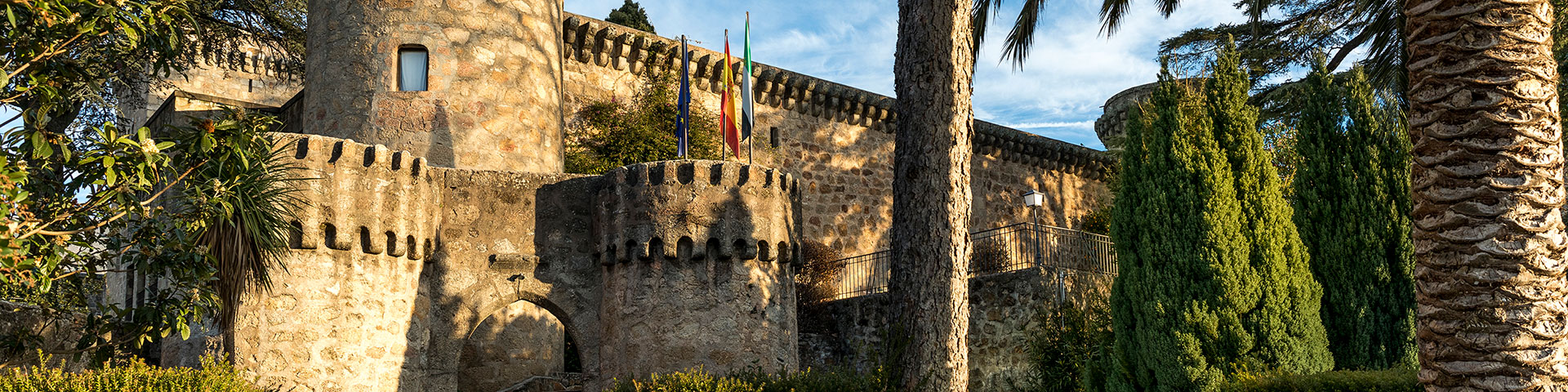
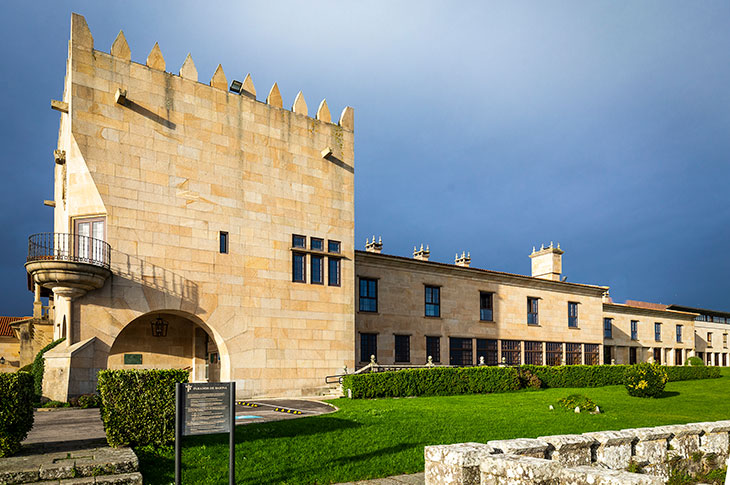
Paradores has embarked on a new strategic stage that combines the modernization of its hotel network, the evolution of its brand, and a strong commitment to universal accessibility. The chain, which prepares to celebrate its centenary in 2028, is advancing toward an ambitious transformation process, new launches, and a number of other projects aimed at diversifying its audience and ensuring that a growing number of visitors from around the world can enjoy its establishments on equal terms. Today, the public hotel chain is undergoing the largest renovation process in its recent history. With an investment exceeding 250 million euros, Paradores expects to remodel 60% of its establishments before the year 2028, in a transformation that will update the experience offered by its accommodation without altering the historical essence that defines the brand. During this process, 13 establishments were temporarily closed for renovations in 2025, though this has not prevented the company from maintaining solid operational performance. In the same year, the network secured revenue of over 337 million euros and an estimated profit of close to 23 million, with an average occupancy rate of 76%, two points above the previous year. What’s more, in May 2025, the company opened the doors of the 98th establishment in the national network and the ninth in Castile-La Mancha: the Parador de Turismo de Molina de Aragón, in which more than 22 million euros were invested. This newly constructed, largely stone building facing the castle offers 24 rooms, including two suites. It also features spacious areas for dining and events, convention halls, gardens, and parking. The network's evolution will continue over the coming years, reaching the milestone of 100 operational establishments with the opening of new Paradores in Ibiza and Veruela (Zaragoza) in 2026, thereby consolidating its position as one of Europe’s most unique heritage hotel networks. By the end of this year, the company will have completed comprehensive works in more than twenty establishments. These actions, along with the 39 renovations driven by Turespaña, will enable the renewal of over half of the entire hotel network. The Paradores de Turismo establishments that will see continuing works during this period include those in Santillana del Mar, Olite, Benicarló, Cervera, Nerja, Melilla, Monforte de Lemos, Tortosa, Arties, Gredos, Sos del Rey Católico, and Oropesa.
A brand broadening its outlook
Alongside the modernization of various establishments, the company has also initiated an evolution in its brand positioning. The Paradores, para todos. Para todos (“Paradores, for everyone. For everyone”) campaign aims to expand the chain’s traditional perception, historically associated with a more classic traveler profile, to reflect the real diversity of experiences offered by the network.
Universal accessibility as a strategic pillar
Accessibility has been established as one of the pillars of this new phase. As a result, Paradores has signed an agreement with Impulsa Igualdad to integrate accessibility criteria into the network’s planning, management, and tourist experience. This is an agreement that includes specialized consulting, verification visits to establishments, training for professional teams, and a substantial improvement in the tourist information aimed at clients. A number of these advances will also be incorporated into tools such as guides and the TUR4all platform, specialized in accessible tourism. This commitment is structured according to the 360º Universal Accessibility Plan, which foresees an investment of 25 million euros over the next five years, intended to remove barriers and optimize the experience of all travelers. The transformation process at Paradores combines asset renewal, brand evolution, and a firm commitment to inclusion. Likewise, the company continues to consolidate its positioning in inland and cultural tourism, as well as strengthening its international projection—a segment that already represents 34.2% of its clientele, with an increasingly experience-oriented offering.