
The new Most Beautiful Villages in Spain celebrate the charm of the interior
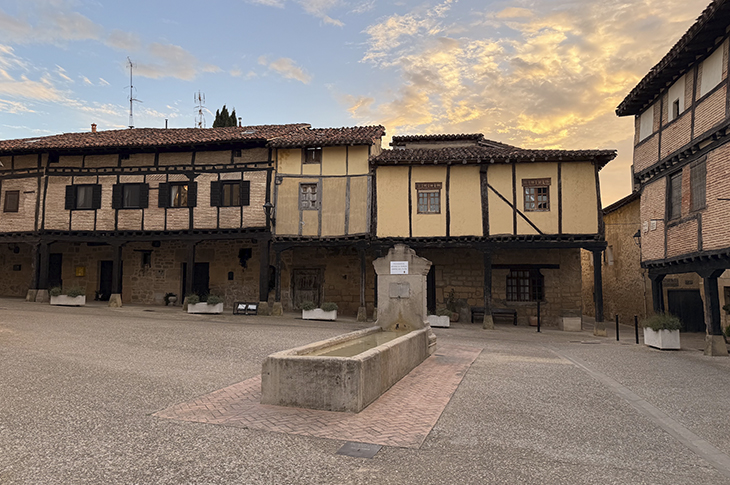
The Most Beautiful Villages of Spain network is adding four new members in 2026, expanding the map of rural beauty with towns marked by a strong heritage personality: Alpuente, Santa Gadea del Cid, Oseira, and Vilanova dos Infantes. Medieval villas, monasteries, fortresses, cobbled streets, and serene landscapes compose an offering that reinforces the value of the interior, local authenticity, and the preservation of the historical heritage. Their inclusion confirms a trend in cultural tourism: an interest in small, well-preserved sites with their own identity, capable of offering unhurried visits connected with history and far from the most predictable routes. Alpuente becomes the first municipality in the province of Valencia to join the network. Located in a mountainous setting, it features vestiges of an Andalusian-origin fortress, remains of medieval walls, the Church of Our Lady of Mercy, the aqueduct, and the Alhama Tower. Adding to this historical profile is a unique paleontological dimension, with dinosaur footprints, fossils, and a museum dedicated to the region's discoveries. In Castile and León, Santa Gadea del Cid contributes the solemnity of a Burgos town declared a National Historic-Artistic Ensemble in 1973. Its medieval quarter, the Adelantados Castle, monumental gates, the keep tower, and the Church of Saint Peter the Apostle form a route with a strong defensive character. Limestone, heraldic mansions, the porticoed square, and river views portray a sober, Castilian, and evocative setting, also linked to the memory of El Cid.
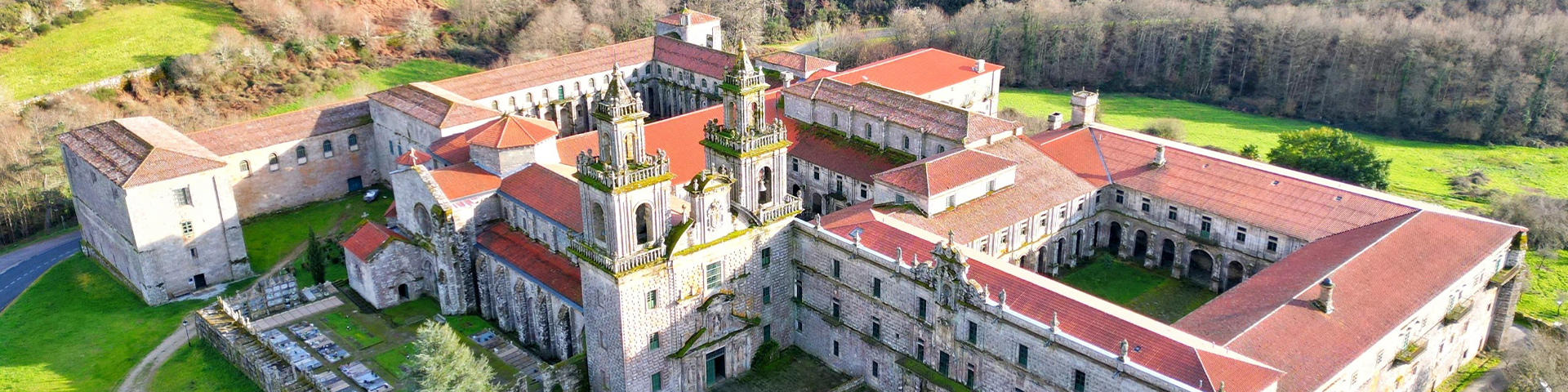
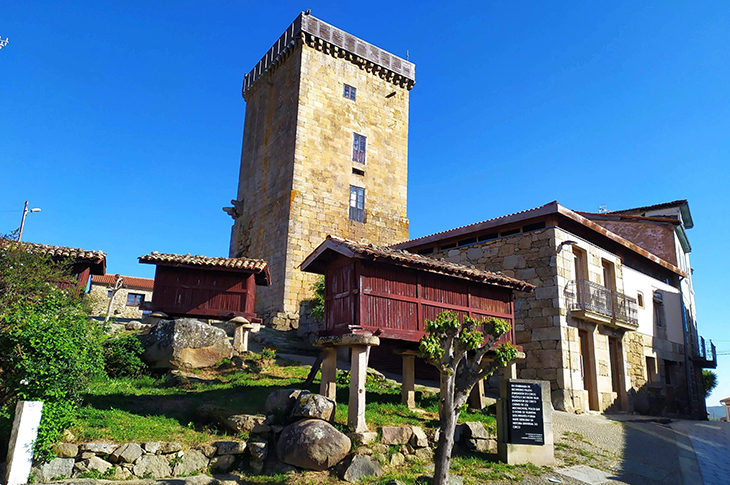
Orense incorporates two sites with a distinctive Galician accent. Oseira, in the municipality of San Cristóbal de Cea, is structured around the Monastery of Santa María la Real, founded in 1137 and associated with the Cistercian order since the 12th century. The abbey church, the chapter house, and the landscape of the Martiña mountains strengthen its image as a spiritual, monumental, and silent valley. Meanwhile, Vilanova dos Infantes encapsulates the essence of a medieval borough with narrow streets, raised granaries, stately houses, and popular history. The keep tower, castle ruins, the Church of San Salvador, the Cave of San Vivián, and the tradition linked to shoemakers and musicians form a destination that is small in size but powerful in atmosphere.
With these four new additions, the network expands its regional diversity and consolidates a vision of travel focused on heritage, tranquility, authenticity, and the capacity of historic villages to prompt new perspectives on rural Spain.