
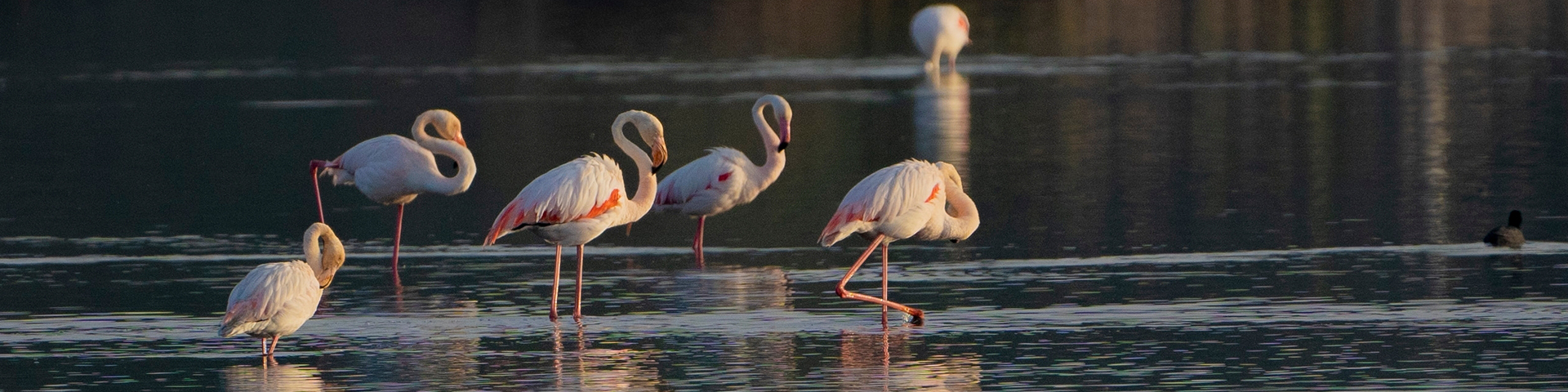
Menorca, a Mediterranean birdwatching paradise
The variety of habitats in Menorca (Balearic Islands), its position between Europe and Africa and the opportunity to observe over 200 species make this island a very attractive setting for birdwatching. The experience is particularly compelling during spring and autumn, when migratory birds join the resident species, allowing visitors to explore wetlands, forests, ravines, agricultural areas and coastal landscapes with binoculars as their faithful travel companion. Each habitat offers a different ornithological scene. In the forests and scrub areas, red kites may appear; wetlands are home to mallards and little egrets and the agricultural areas are where partridges and quails can be found, while the ravines are ideal zones in which to look for peregrine falcons and kestrels. By the sea, the spotlight shifts to the osprey, the shag, Audouin's gull and the Balearic shearwater, an endemic species of the Balearic Islands that adds a special uniqueness to this experience. The Egyptian vulture completes the repertoire of raptors that can be observed on the island. Spring and autumn expand this repertoire even further. Menorca's location along Mediterranean migratory routes makes the island a stopover and resting place for thousands of birds. During spring, species can be observed returning from African regions and heading toward their northern European breeding grounds; in autumn, the journey takes place in reverse. The main reference point is the s’Albufera des Grau Natural Park, the ecological heart of the Menorca Biosphere Reserve. This protected area spans over 5,000 hectares and includes a two-kilometre-long lagoon, extensive coastal zones, an islet and estates where traditional agricultural activities continue to be practiced. At designated points, birds such as the cormorant, heron or osprey can be observed.
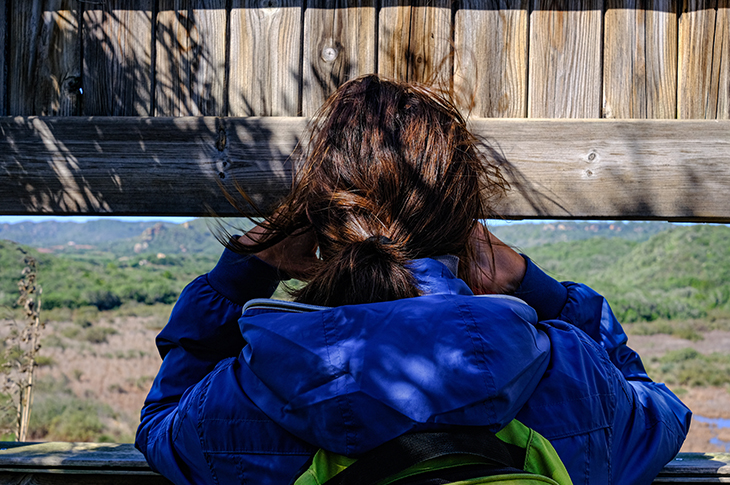
The experience is not limited to the lagoon. Son Bou, Mongofre and Addaia, La Vall, Cape Cavalleria and the Algendar ravine all form part, together with s’Albufera des Grau, of the six routes included in the Menorca birdwatching guide. All the options offer varying distances and durations and combine walking routes with car trips, which opens up a range of possibilities for exploring the island’s natural landscapes. The Rodríguez Femenías Reception Centre provides guided tours that delve into the park’s biodiversity and introduce visitors to an environment in which lagoons, forests, pristine beaches, farmlands, megalithic constructions and Roman sites exist side by side. Not only are there specialized companies that accompany birdwatching excursions, the available itineraries and materials also allow for self-guided tours. Observation requires, above all, discretion. Keeping quiet and avoiding disturbing the birds is part and parcel of an experience in which binoculars or a telescope help to better appreciate each sighting. Location Menorca, an island of the Balearic archipelago, is located in the Mediterranean to the east of Mallorca. Its main air access point is Menorca Airport, about 4.5 kilometres from Mahón. The port of Mahón and the outer port of Ciutadella, at Son Blanc, facilitate maritime connections for passengers.