
Culture, nature, and leisure for discovering Madrid as a family
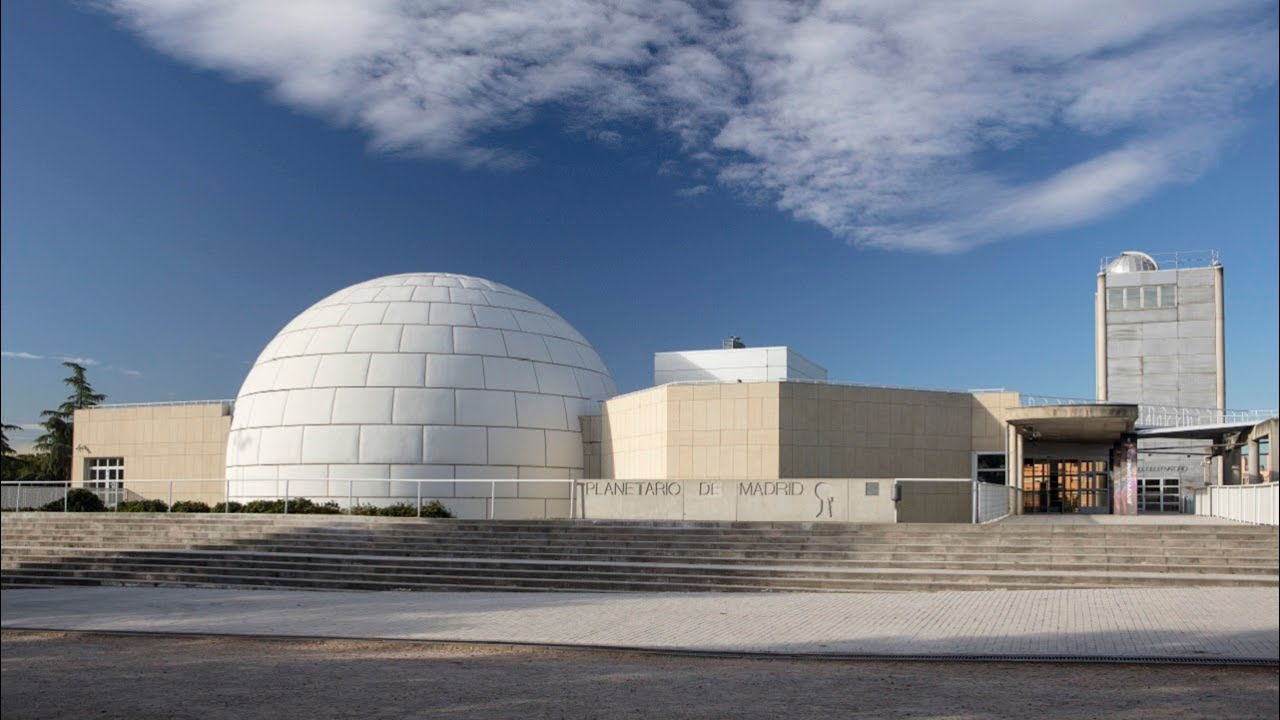
Madrid has firmly established itself as an especially attractive destination for family travel. Its offer is not limited to the historic center nor the major urban icons: it extends across neighborhoods with their own character, large-scale parks, museums designed to awaken curiosity, scientific spaces, routes through natural environments, and nearby getaways that allow visitors to adapt the trip to every age and every time of the year. The capital and its surroundings offer a broad, convenient, and ever-changing map, able to surprise even those who have already visited the city. The first key is to view Madrid from less common perspectives. Carabanchel and Moratalaz, for example, provide a connection with the teenage audience through urban art. La Chulapa, the mural dedicated to Francisco Ibáñez and 13, Rue del Percebe, or the 33 large murals of ‘Muraltalaz’ have turned the street into an open gallery. Urban nature adds another pace to the journey. At Casa de Campo, a former royal recreational area and now a large public park, families can stroll, follow a botanical trail, rent a bicycle, have lunch by the lake, or end the day with a visit to the Amusement Park and the Zoo Aquarium. Madrid Río offers a different experience: almost ten kilometers along the Manzanares River to walk, skate, play in its children's areas, and observe birds from bridges that trace a route between history and contemporary design. Madrid’s countryside estates also invite visitors to slow down. The Quinta de Torre Arias and the Quinta de los Molinos countryside estates, connected by a walkway, preserve gardens and old manor houses that introduce a calmer dimension to the visit. In the latter, Open Space strengthens this relationship between culture, childhood, and adolescence, with a café-garden that facilitates prolonging the stay without disrupting the family rhythm. The cultural and scientific axis adds depth to this getaway. In the Chamberí neighborhood, the Geominero Museum gathers fossils, minerals, and rocks, while the old station preserves the memory of the Madrid metro since 1919. In Delicias, the Railway Museum, housed in an old station from 1880, brings visitors closer to locomotives and passenger cars. Very close by, Matadero Madrid, MAD Artes Digitales and the Madrid Planetarium, located in Enrique Tierno Galván Park, combine industrial heritage, technology, immersive experiences, and an astronomical dissemination.
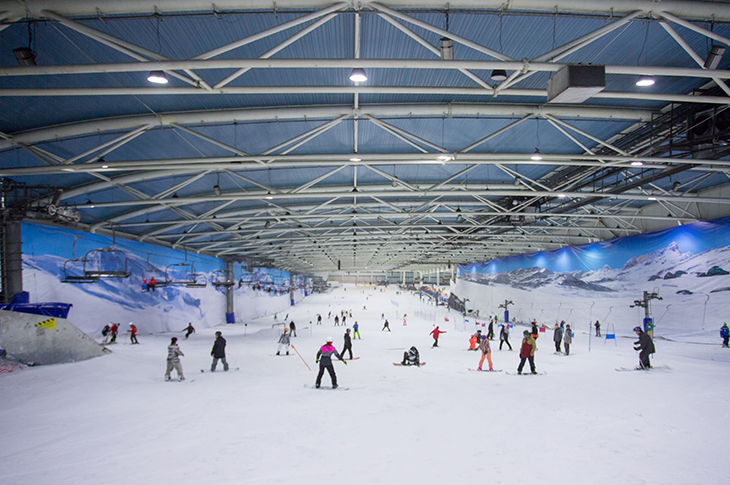
Outside the city, the Community of Madrid offers excursions with a high experiential value. The Sierra de Guadarrama National Park allows you to explore La Pedriza via the Senda de las Formas, wander through Los Robledos from El Paular, or venture into the Finland Forest in Rascafría. The Rincón Mountain Range and the Montejo Beech Forest offer landscapes of almost unimaginable beauty, while the San Juan reservoir, Oliva pontoon, or Campillo lake provide ideal settings for outdoor activities. The Magic Trail of Arroyomolinos also provides a playful interpretation linked to caring for nature. Family entertainment takes many forms. The Madrid Warner Park, Micropolix, Europe Park, the Enchanted Forest of San Martín de Valdeiglesias, Arqueopinto, and the Valley of the Neanderthals offer the enjoyment of attractions, archaeology, European monument replicas, and topiary sculptures. This variety is further enriched by tourist trains such as the Strawberry Train, the Cervantes Train, the Arganda Train, the Nature Train, and the Philip II Train, alongside theatrical visits, medieval markets, and adventure parks like Aventura Amazonia and De Pino a Pino. Madrid's strength as a family destination also lies in its seasonal continuity. In autumn and winter, the city keeps its pace with museums, indoor venues, escape games, immersive experiences, musicals, ice skating, Christmas activities, and snow sports at Madrid SnoZone.
Location
Madrid is located in the center of Spain, within the Community of Madrid. Its main access points are the network of radial highways (A–1 to A–6), the Adolfo Suárez Madrid-Barajas International Airport, and the Atocha and Chamartín train stations.