
Lanzarote, a volcanic landscape discovered through wine and cuisine
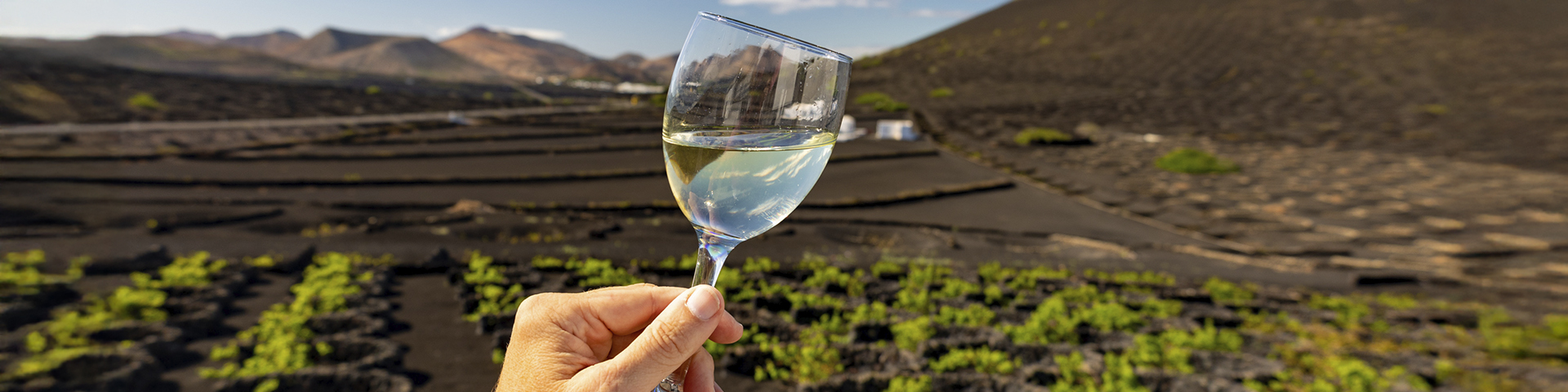
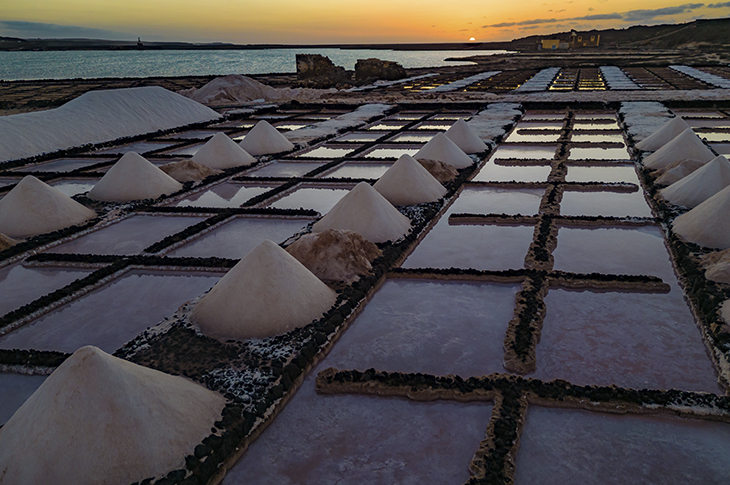
It is easy to discover Lanzarote through one’s palate, since on this volcanic, dry island open to the Atlantic, the cuisine tells a story of adaptation and ingenuity. The wines of La Geria bring travellers closer to a landscape shaped by agricultural techniques, while the crops of jable and enarenado soils showcase other ways of working the land. The connection to the sea can be savoured in the local fish and salt. Cheeses add the finishing touch to a cuisine rooted in local produce, presenting a picture of the island through its flavours and crafts. The northernmost island of the Canary Islands, covering an area of 862 square kilometres with a maximum altitude of 671 metres above sea level, enjoys average temperatures of 18ºC in winter and 23ºC in summer – climatic conditions that have shaped its agriculture and, in particular, its wine-growing landscape. In addition, Lanzarote has nearly 2,000 hectares of vineyards in production, distributed across its seven municipalities, and its unique climate encourages a particularly early harvest, considered the first in Europe, which begins from July onwards. La Geria epitomizes, unlike almost any other location, the bond between landscape and ingenuity. To cultivate land covered by volcanic ash, farmers dug holes until they reached fertile soil and used stone walls to protect the vines against the trade winds. This “picón” or layer of ash retains nighttime moisture and favours the cultivation of Malvasía Volcánica, an emblematic variety known for producing dry, semi-dry, semi-sweet and sweet white wines, as well as crianzas and sparkling wines alongside rosés and reds. But the wine and gastronomy map extends far beyond the vineyards themselves. In El Jable, an extensive organic sandy area of marine origin formed by the remains of shells, algae and minute organisms, one of the island's most representative products is to be found: the sweet potato. The natural and artificial enarenados (sandy fields) help retain subsoil moisture and have favoured the cultivation of potatoes, legumes, pumpkins, other vegetables and fruit trees. Notable among these products is the Los Valles potato, cultivated in the mountains and slopes of Los Valles in the northern part of the municipality of Teguise and adapted over years to the island’s climatic conditions. The island pantry is completed with other goods that speak of livestock, the coast and traditional trades. Goat cheese is part of the island's food culture and maintains a close relationship with artisanal cheesemakers; in the sea, the La Santa prawn ranks among the most unique products, while species such as the Atlantic wreckfish or hake from La Graciosa island bring the Atlantic to the table. In addition, salt obtained through evaporation and traditional methods sums up this coexistence between landscape, human labour and natural resources.
This ingenious cuisine is based on a logic of harnessing available resources, which is evident in the ancient systems of water collection, utilization and storage. Cisterns, “gavias” and other hydraulic engineering solutions allowed for the collection and use of scarce rainfall in a territory where dew and mist also help nourish traditional crops of potatoes, sweet potatoes, onions and grains. The result is a gastronomy that is inextricably intertwined with the techniques that made it possible to cultivate, raise, fish and preserve food in a challenging environment. Tasting Lanzarote has been organizing efforts to celebrate this culinary heritage and those who keep it alive since 2010, linking local food products, producers and experiences associated with gastronomy and viticulture. The initiative takes the origin of food and how it is produced and turns it into an active part of the tourist experience, thus reinforcing a way to get to know the island that involves visiting production landscapes, exploring wineries and recognizing the territory's imprint in every dish. The calendar also includes moments of the year when this relationship between product, landscape and experience takes on a special significance. The Tasting Lanzarote Wine and Gastronomic Festival, held in November in Teguise, brings together local products and preparations linked to the island’s cuisine, while the Lanzarote Wine Run takes the experience directly to the winegrowing landscape, offering a unique way to experience La Geria. Location Lanzarote is both the northern and easternmost island of the Canary Islands. Its main access by air is César Manrique–Lanzarote Airport in San Bartolomé. Roads LZ–1, LZ–2 and LZ–20 coordinate connections to the north, south and interior of the island. The main maritime access points are Arrecife, Playa Blanca and Órzola.