
Grape harvest: Spain celebrates wine from the vineyard to the glass
With the arrival of September, the grape harvest turns the wine landscapes into an invitation to travel through an inland Spain that celebrates the land, the craft, and popular culture. Amid vineyards, wineries, grape treading, tastings, markets, music, and gastronomy, wine tourism finds in this season a moment that is able to unite tradition, land, and experiences connected to wine from the field to the glass. Spain is one of the leading wine-producing countries in the world: it holds the first place in vineyard surface area and remains the third largest producer worldwide, behind Italy and France. It is on this foundation that a way of traveling that is closely linked to inland destinations takes shape, where the Wine Routes of Spain remain active all year round and take on a special appeal between September and October, when the harvest sets the pace among the towns across Spain. It is not only about visiting wineries or museums but about exploring towns, landscapes, local products, festivals, crafts, and stories that explain why wine occupies such a profound place in Spanish identity. In 2024, recording the latest official data available, more than 3 million people visited the wineries and museums associated with these routes, with an economic impact exceeding 112 million euros, demonstrating how wine tourism has become established as a touristic, cultural, and economic driving force for numerous destinations. The grape harvest is the moment when vineyards deliver their fruit to begin winemaking, but it is also a collective ritual that sets the pace for towns and cities. It can be carried out manually, as a traditional and selective gesture; it can be mechanized, suitable for large areas; or it can be at night, when growers seek to preserve the freshness of the grapes. Later, the Regulatory Councils of the Designations of Origin oversee the quality of wines defined by climate, soil, and tradition.
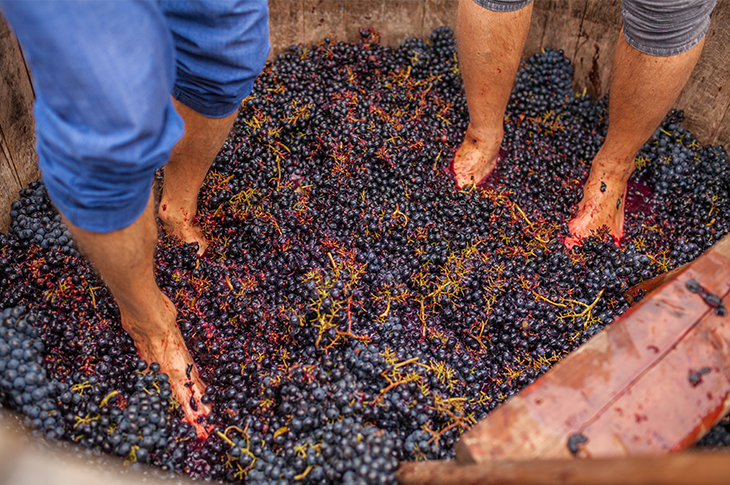
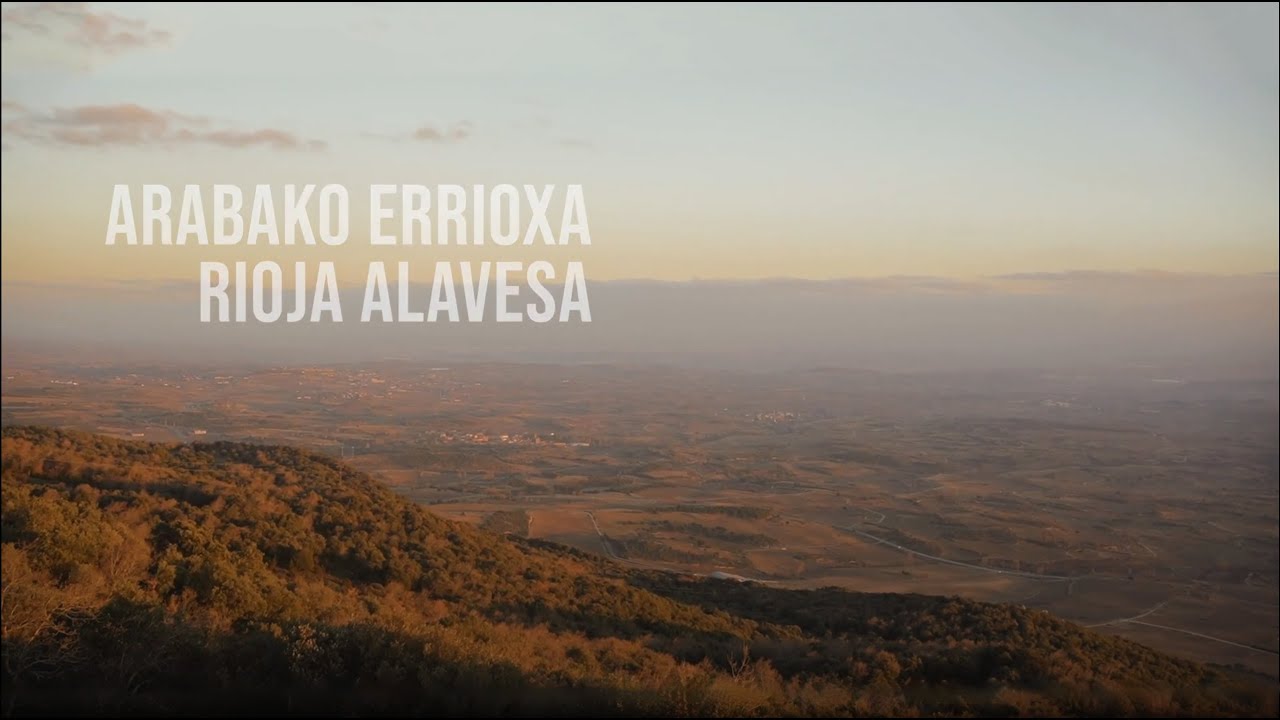
During these days, folklore associated with vineyards fills streets and squares again with wine fountains, parades, markets, grape stomping, first must tastings, music, and local products. This journey allows visitors to take their first steps in oenology by participating in the harvest, entering wineries, talking with those who work the land, and exploring landscapes that have made wine a shared symbol of identity. This map is experienced differently depending on the location. In Jerez de la Frontera, the Grape Harvest Festivals begin on August 29 and run until September 13, with a program where wine intersects with horses, flamenco, and popular culture. The city brings together grape stomping, winery visits, tastings, music, equestrian shows, gastronomy, and a market. Also in Andalusia, Montilla-Moriles incorporates flamenco tastings into traditional crafts, while Mollina combines wine, literature, proclamations, poetry, and horse ribbon races. In Rioja Alavesa, Kripan is hosting the 31st Rioja Alavesa Grape Harvest Festival on September 13, an event that sums up the region’s changing nature: each edition keeps the vineyard as a common root but showcases a different landscape, town, and way of celebrating. Dances, the first must, tastings, crafts, pelota, music, and agricultural products are combined to create a day designed to experience wine as a shared identity.
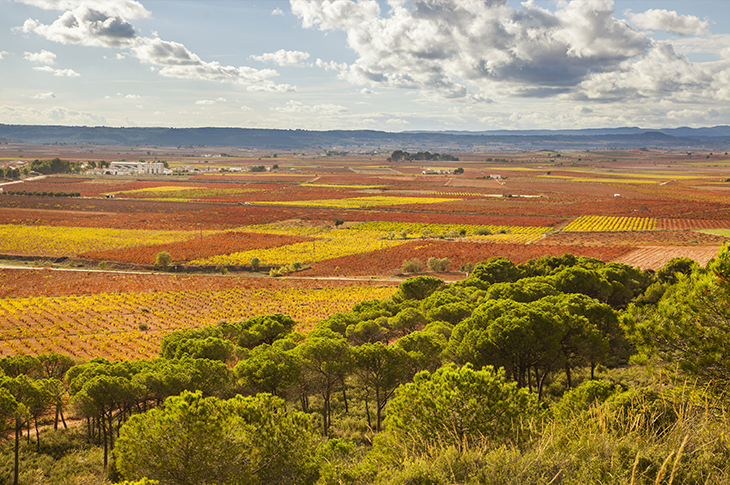
Logroño turns San Mateo and the Rioja Harvest between September 19 and 25 into an urban celebration of the crop, featuring proclamations, opening shots, fraternities, zurracapote punch, regional houses, floats, and the offering of the first must to the Virgin of Valvanera. In Aranda de Duero, every year Ribera del Duero takes over the Main Square and the historic center with markets dedicated to wine, wine bars, workshops, pairings, wineries, and concerts that reinforce a designation intimately tied to its territory. In Requena, Spanish Wine City 2026, the wine tourism calendar expands this map with a proposal where history, cava, the Utiel-Requena Designation of Origin, villages, vineyards, and the Hoces del Cabriel Natural Park build an inland experience with a vocation for permanence. There, as in every harvest destination, wine is not only seen as a product but as a way of reading the landscape and understanding the life that sustains it.
The grape harvest is no longer just a date on the calendar and instead has become an invitation to travel at a leisurely pace. Between September and October, the wine routes offer a sensory, rooted, and hospitable Spain, where each glass holds something of the place that made it possible.