
Lugo, the Galician destination where authenticity becomes an experience
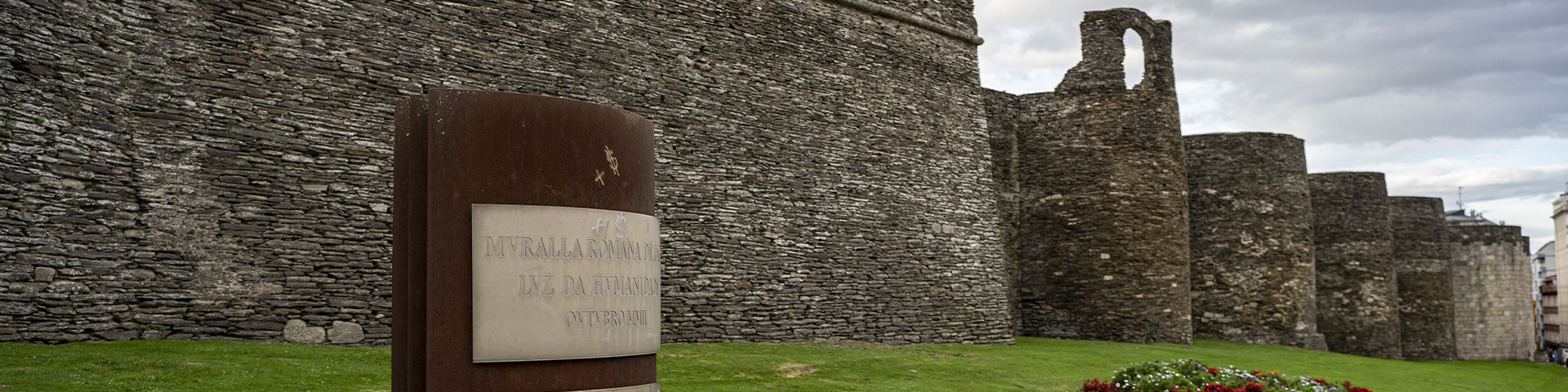
In Lugo, the journey takes on the leisurely pace of destinations that do not need to reinvent themselves to become memorable. The Galician city combines historical heritage, wine culture, regional gastronomy, and nearby nature in a proposal that champions the value of authenticity. Between the Roman Wall, the historic center, the flavors of the land, and the landscapes linked to the Miño River, the city invites you to look, walk, and enjoy time measured differently. Lugo is known, above all, for its Roman Wall, built in the 3rd century and preserved as an intact path stretching more than 2 kilometers, encircling the historic center. It is not merely a monumental relic, but a living space, a daily stroll, and a viewpoint over a city that has learned to coexist with its history. From there, Lugo opens the door to the legacy of Lucus Augusti through sites such as the Domus of the Mithraeum, the House of Mosaics, the San Roque Archaeological Center, Miñá Gate, the Provincial Museum of Lugo, and the Wall Visitor Center. The historical narrative is expanded with a tour around the temples that allows visitors to explore the cultural and spiritual dimension of the city. The Domus of the Mithraeum, linked to the cult of Mithras, marks a unique starting point before delving into the churches and chapels of the historic center. The natural conclusion is at the Cathedral of Santa María de Lugo, a benchmark of Galician Romanesque architecture with later additions and distinguished by the permanent exhibition of the Blessed Sacrament. The Diocesan and Cathedral Museum completes this tour with pieces of goldsmithery, reliquaries, ancient books, and liturgical ornaments. Lugo is the city of three heritages: the Wall, the Primitive Way of Saint James, and the Cathedral of Santa María. This exceptional concentration turns each urban itinerary into an experience where history is explored on foot, through squares, streets, and corners retaining a sense of intimacy.
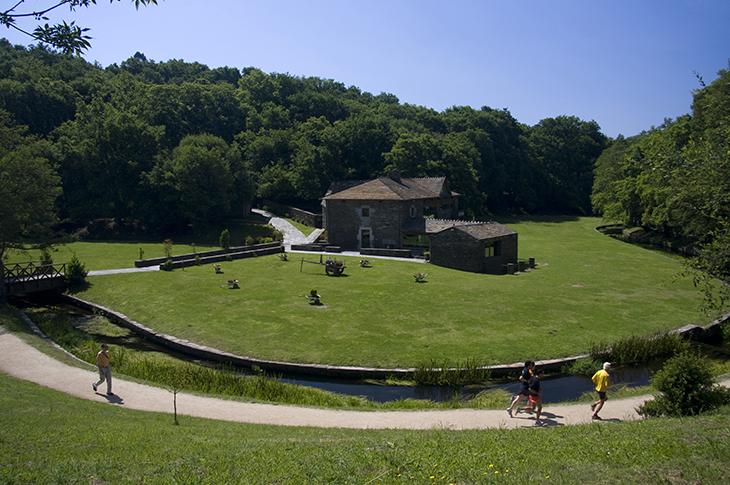
Gastronomy plays a leading role in this identity. In Lugo, produce is not a trend but a way of life. Meats, fresh vegetables, wines, cheeses with Protected Designation of Origin, and Galician turnip leaves make up a pantry linked to the local area and hide knowledge that has been passed down through generations. The Market Square, the Wine Area, and the historic center’s restaurants offer the chance to discover a cuisine based on proximity, quality, and respect for the rhythms of the product. The new project “…Et edendo, Lucus” is part of the Sustainable Tourism Plan of the Lugo City Council and strengthens the interpretation of the city as an enogastronomic destination, where every flavor serves as a story. The wine culture adds even more depth to the experience: in inland Galicia, the vine is cultivated with patience, manual care, and extensive knowledge of the environment. The proximity of the Lucusian Ribeira Sacra, with its terraced vineyards and more than 70 wineries protected by the Ribeira Sacra Designation of Origin, connects landscape, wine, and memory under a single identity. Visitors can also appreciate the green, serene Lugo, shaped by the Terras do Miño Biosphere Reserve, the trails along the Miño River, the Rato River path, and other spaces where nature coexists with the city. On a getaway, heritage, tapas, markets, riverside walks, and a possible extension to the Ribeira Sacra create a complete experience.

Location
Lugo is located in the interior of Galicia, in the northwest of Spain. Its main road access is via the A–6, a key axis connecting it with the rest of the country. It has a Renfe railway station; the main Galician airports are Santiago, A Coruña, and Vigo, while the nearby cruise ports are A Coruña and Ferrol.