
Five national parks that reveal Spain’s natural diversity
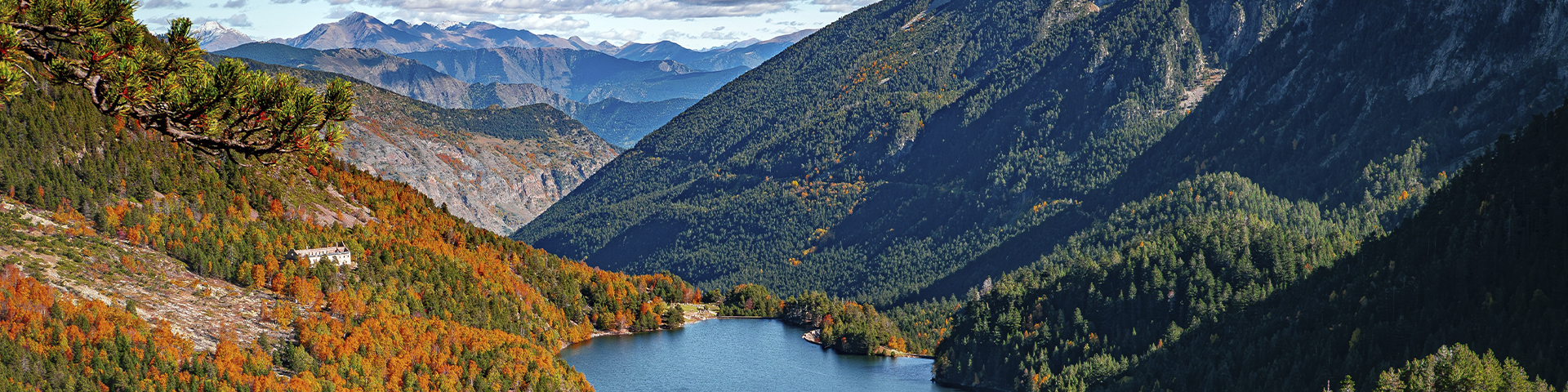
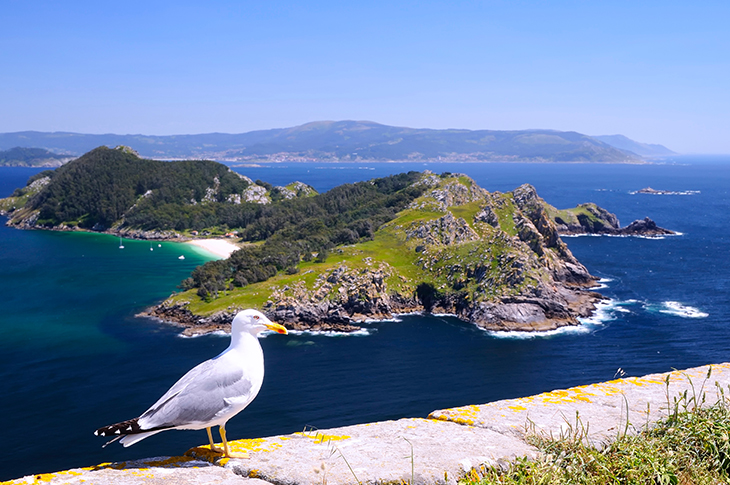
The pastures of Extremadura, the raña sediments of Castile-La Mancha, and the volcanic geology of the Canary Islands compose a diverse and enticing route, where conservation, scenic beauty, and the active experience of nature invite you to see the country from a different perspective. In Catalonia, the Aigüestortes i Estany de Sant Maurici National Park unveils one of the country's great Pyrenean landscapes. It is the only national park in this autonomous community, located between the Pyrenean regions of Alta Ribagorça, Pallars Sobirà, Pallars Jussà, and the Aran Valley, although the core park lies in the first two. More than 200 mountain lakes, rivers, waterfalls, peat bogs, and glacial valleys make it an area dominated by water. The Estany de Sant Maurici, at the foot of Els Encantats, is one of its most emblematic images, among forests of black pine, fir, Scots pine, birch, and beech. In Galicia, the Maritime-Terrestrial Atlantic Islands National Park is made up of the archipelagos of Cíes, Ons, Sálvora, and Cortegada off the Rías Baixas. There, dunes, cliffs, beaches, and seabeds form an ecological mosaic where algae, fish, mollusks, seabirds, and plants adapted to wind, salt, and rock coexist. Rodas Beach, in the Cíes, offers a bright picture of light sand and crystal-clear waters; Ons has sea caves, known as furnas; Sálvora, a maritime history, and Cortegada, a laurel forest.
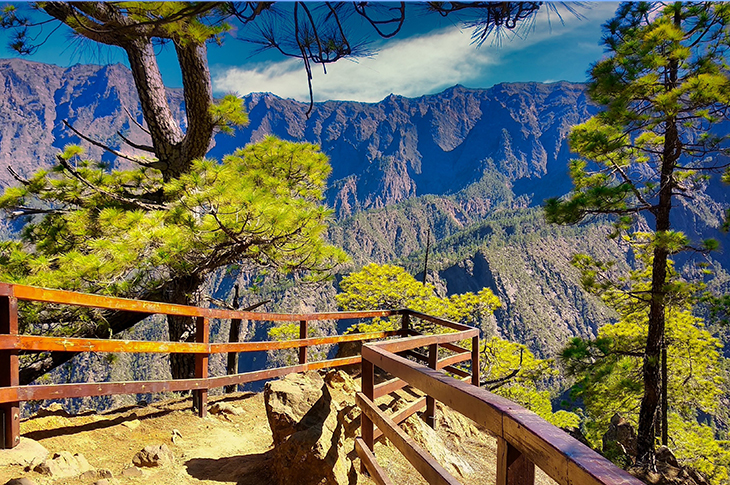
In Extremadura, Monfragüe National Park is shaped around the Tagus River, among the gentle mountains and extensive pastures of the province of Cáceres. The first protected area in Extremadura, it preserves shrublands and native forests as a refuge for threatened wildlife. Its prestige is linked to birdwatching: black storks, vultures, Egyptian vultures, and imperial eagles soar over sites such as Salto del Gitano, in a territory also recognized as a SPA and Biosphere Reserve. In Castile-La Mancha, the Cabañeros National Park occupies a fundamental place in the Montes de Toledo, between the provinces of Ciudad Real and Toledo. Within its 40,856 hectares are raña sediments, holm oak forests, cork oak groves, grasslands, and Mediterranean climate landscapes, which have become a refuge for large birds of prey, storks, and other threatened species. Its recent history reinforces this value: the mobilization of residents, environmentalists, and other groups prevented it from being converted into a shooting range and paved the way for protecting one of the most valuable areas of the southern sub-plateau. In the Canary Islands, the Caldera de Taburiente, on the island of La Palma, closes the itinerary with a volcanic depression eight kilometers in diameter, great slopes, springs, deep ravines, rock formations, and waterfalls. The Canary pine forest, high mountain shrubland, and riparian formations coexist with a high percentage of endemic species. From the visitor center of El Paso or from the viewpoint of La Cumbrecita, the park reveals a vertical, geological, and luminous nature.
From the Pyrenees to the Atlantic, from the Extremaduran pasture to the Castilian-Manchegan raña sediments and the volcanic reliefs of La Palma, the National Parks of Spain confirm that the country can also be discovered through its protected spaces, where travel becomes slower, more conscious, and connected to the environment.