
The power of storytelling: film and series turn locations in Spain into iconic destinations
Iconic locations and towns revealed through the screen capture the interest of new traveler profiles
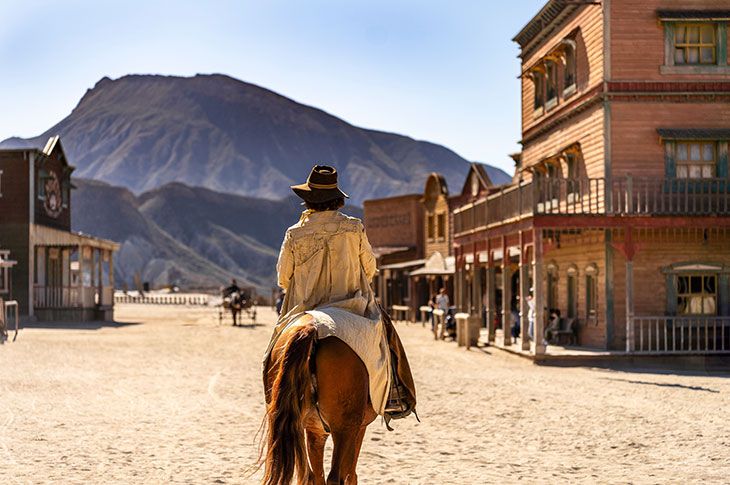
Screen tourism is gaining momentum in Spain as a segment capable of transforming recognizable settings into desirable destinations, boosting interest in cities, towns, and unique landscapes, and opening up new opportunities for the tourism sector. The power of storytelling, combined with the audiovisual medium’s ability to embed images into the collective imagination, turns a variety of locations into aspirational experiences with the potential to diversify flows, generate value, and reinforce the territorial identity. Screen tourists don’t travel for geographic interest alone. They travel to places with which they already have an emotional connection, spaces they have internalized through fiction and now wish to explore firsthand. This prior relationship turns each destination into a narrative experience in which the visitor recognizes scenes, reconstructs plots, and becomes part of a story they feel is their own. In Spain, Andalusia stands out as one of the major strongholds of this phenomenon, with destinations such as Almería and Seville at the forefront. The former has retained its identity linked to European western films, while Seville has served as the setting for major international productions, consolidating its appeal as a film destination. In The Crown, the series recreates international settings using Andalusian locations with remarkable visual accuracy. San Juan de Aznalfarache is transformed into postwar Athens in scenes related to Princess Alice of Battenberg; the Alfonso XIII Hotel in Seville appears as a Californian villa during Princess Margaret's trip; Los Alemanes beach, in Zahara de los Atunes, evokes the Caribbean island of Mustique; and Sotogrande, also in the province of Cádiz, becomes the setting for the same character’s U.S. journeys. In Malaga, the Torremolinos Conference Center simulates Los Angeles airport, while the Cortijo de Torres Municipal Auditorium recreates the Sydney Opera House, and the Tabernas desert, in Almería, is transformed into the Australian landscape of Uluru. Mallorca, on the other hand, represents the French Riviera in the story of Diana, Princess of Wales.
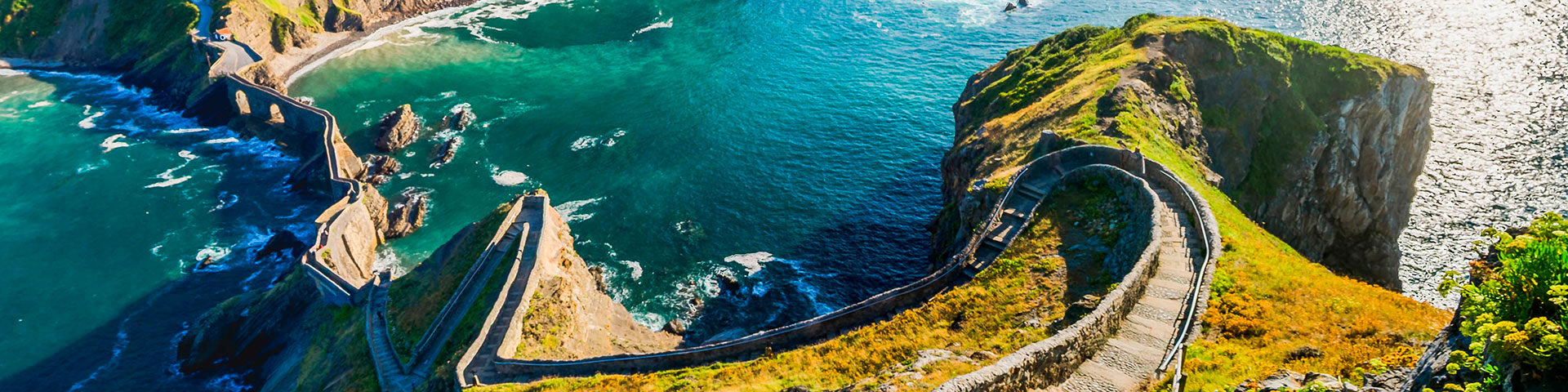
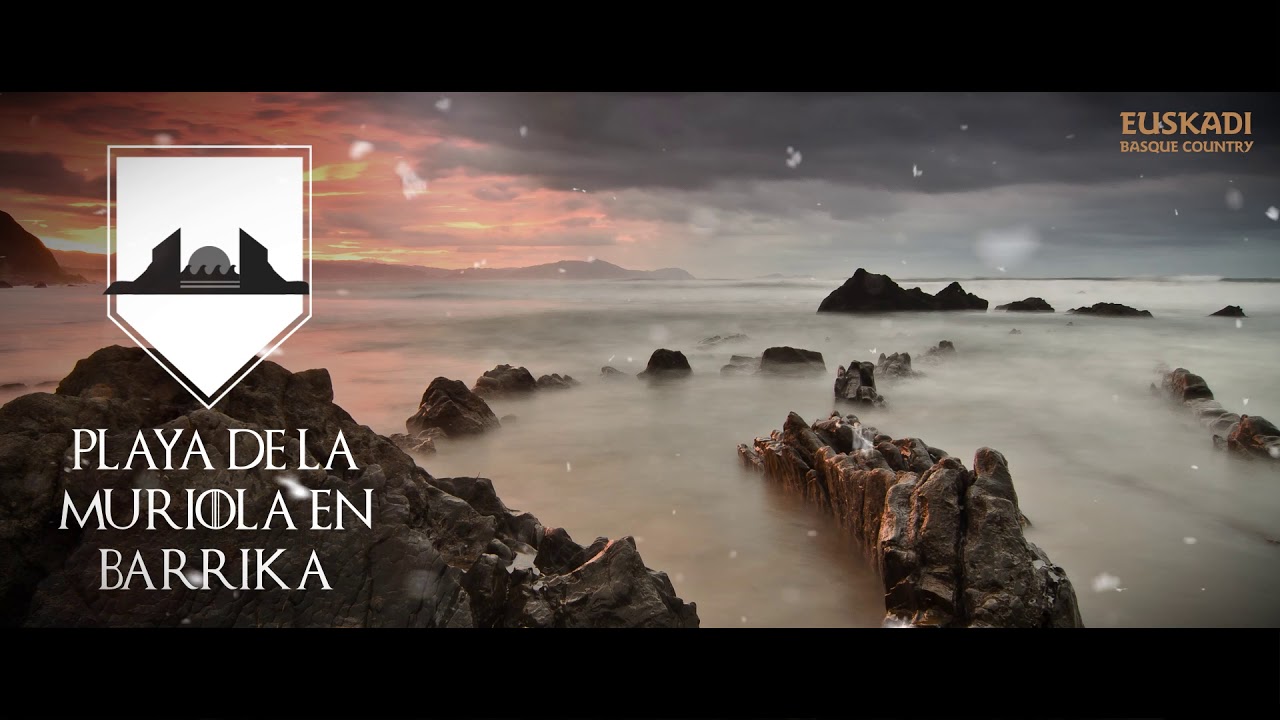
Madrid has also established itself as an urban setting of great narrative power. In Money Heist, the facade of the Spanish National Research Council (CSIC), on Calle Serrano, is transformed into the Royal Mint, the epicenter of the heist and one of the series’ most recognizable locations. Plaza de Callao, right in the heart of the city, becomes the scene of a thousand falling banknotes, reinforcing its character as a vibrant urban hub. Gran Vía, Madrid’s main thoroughfare, appears in dynamic sequences such as the bicycle escape, highlighting its symbolic and visual value. Meanwhile, the rooftop of the Círculo de Bellas Artes, located at 42 Calle Alcalá, next to the Gran Vía and Plaza de Cibeles, offers one of the most recognizable panoramas of the Madrid skyline. Along with these locations, tourists can visit the Ministry of Transport, Mobility and Urban Agenda (formerly the Ministry of Development), at 67 Paseo de la Castellana, which acts as the Bank of Spain; the Madrid Casino, at 15 Calle Alcalá, featured in interior scenes; and the area around Nuevos Ministerios, forming an urban map that travelers can explore by following in the protagonists’ footsteps. Beyond the major capitals, this impact can also be felt in smaller cities and towns. Game of Thrones has turned a host of locations into true tourist landmarks. Girona is transformed into Braavos, with scenes on the cathedral staircase or the Galligants bridge; the Royal Alcázar of Seville brings the gardens of Dorne to life; Osuna becomes the setting for the Daznak pit in its bullring; and the Bardenas Reales (Navarre) represent the Dothraki territory. In the north, San Juan de Gaztelugatxe, in Bizkaia (Basque Country), emerges as Dragonstone, with its iconic staircase, while Zumaia, in Gipuzkoa, hosts Jon Snow’s landing. These locations have become pilgrimage sites for the show's followers.
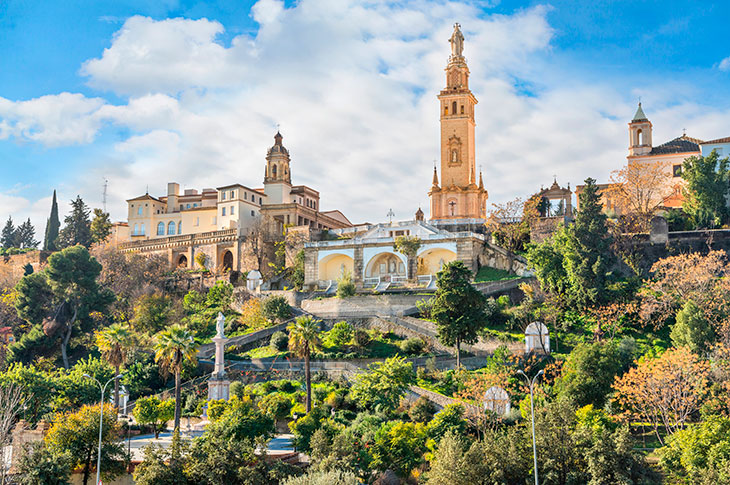
The phenomenon also extends into less-traveled territories. The film Sirāt, directed by Óliver Laxe, places its narrative amid landscapes evoking the Sahara, though much of its filming took place in Aragon. The Barrachina ravine, in the province of Teruel, hosts the opening rave scene with its landscape of reddish gullies; the Tortajada lagoon brings contrast with its aquatic surfaces; and the Villarquemado quarry introduces a mineral and industrial aesthetic. In Zaragoza, El Planerón, the Zafrané gorge, and the Los Monegros region—the main setting of Bigas Luna's film Jamón, Jamón—reinforce that arid atmosphere, creating a set of locations that expand the tourist map towards truly unique natural spaces. Auteur cinema has also contributed to this narrative. Pedro Almodóvar, in the film Bitter Christmas, transforms Madrid and Lanzarote into emotionally charged settings. In the capital, the historic downtown area and Matadero Madrid feature in the story as vibrant spaces. In Lanzarote, Golfo beach with its green lagoon and black sand; La Geria, with its vineyards carved into volcanic ash; or the LZ-56 road that criss-crosses lava landscapes all offer a distinctive aesthetic. This island is not just a backdrop, but an element that defines the tone of Almodóvar’s tale. Meanwhile, film tourism demonstrates a remarkable ability to give visibility to small towns, transforming them into significant travel destinations. Peñíscola tops the ranking of cities and towns discovered via the screen, according to the Screen Tourism Observatory, driven by an audiovisual career ranging from El Cid to Game of Thrones. Comillas stands out for its sophisticated coastal image, while Tabernas maintains its reputation as an international icon of western cinema. A number of other towns also strengthen this connection, between storytelling and territory: Almagro, associated with various Pedro Almodóvar films, combines cultural recognition with tourism marketing, consolidating itself as a destination with lasting appeal.
The rise of platforms such as Netflix or Disney+ strengthens this channel of inspiration. Over 60% of users have been shown to be receptive to receiving travel proposals linked to audiovisual content, suggesting an opportunity to align tourism promotion with digital consumption. Likewise, between 34% and 48% of international travelers would be willing to increase their spending on experiences associated with this type of content. Within this context, Spain, thanks to its diverse landscapes, heritage, and narrative adaptability, has found in the world of a fiction a solid pathway to strengthen its positioning and reveal new opportunities within the sector.