
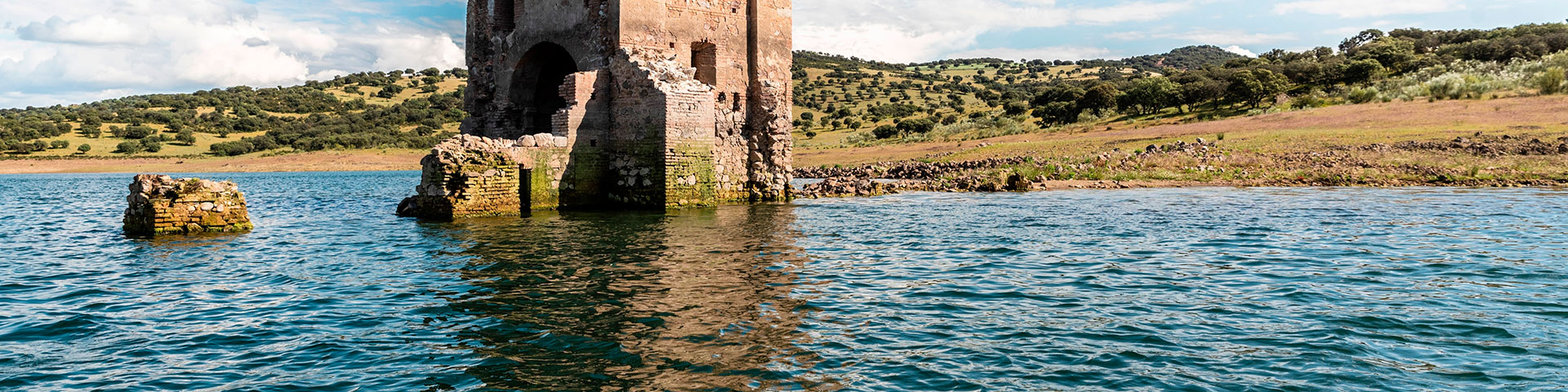
Extremadura offers a refreshing summer with rivers, reservoirs, and natural pools
A diverse aquatic offering combines active tourism, relaxation, and nature
As summer arrives, Extremadura reveals an unexpected geography in which water takes center stage within both the landscape and the tourist experience. The region, with over 900 miles of freshwater coast, Blue Flag inland beaches, mountain gorges, and vast navigable reservoirs, offers a distinct way to cool off amidst nature. Rivers, natural pools, and protected areas shape a destination that combines aquatic leisure, sport, and wellness in the heart of the peninsula. Extremadura is home to 29 authorized bathing areas included in the National Bathing Water Information System, many of them located in reservoirs and rivers adapted for visitor enjoyment. Of these areas, seven were labelled Blue Flag in 2025, positioning the region as the Spanish region with the highest number of inland beaches recognized by this award. Among these destinations, Orellana la Vieja, Cheles, Alange, Campanario, Isla del Zújar (Castuera), Los Calicantos (Casas de Don Pedro), El Espolón-Peloche (Herrera del Duque), Puerto Peña (Talarrubias), and Cancho del Fresno (Cañamero) are all must-visit spots. Orellana beach occupies a unique place in this network of aquatic spaces, as it was the first inland beach in Spain to obtain the Blue Flag, a recognition received in 2009 that marked a milestone in the tourism development of the country’s inland beaches.
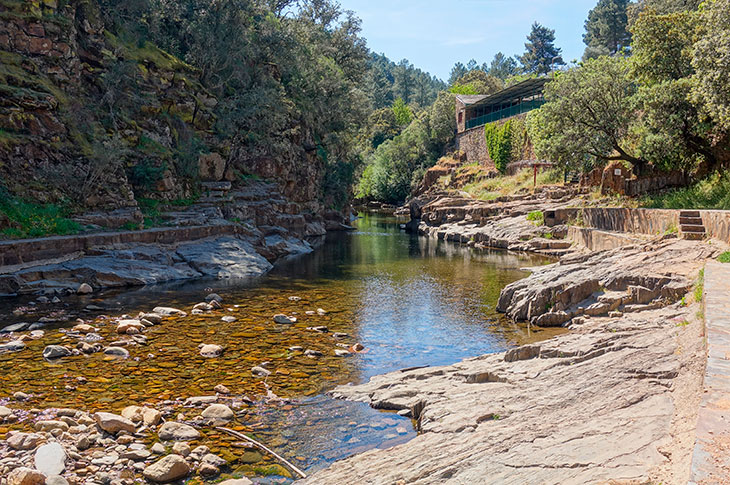
Beyond reservoirs, northern Extremadura offers some of the most iconic aquatic landscapes in the region. Areas such as Las Hurdes, Sierra de Gata, the Jerte Valley, or La Vera, along with other recognized sites such as the Villuercas-Ibores-Jara Geopark, reveal a number of gorges and natural pools formed by mountain rivers. In these spaces, the water descending from the mountain ranges creates bathing areas integrated into forest environments of high environmental value, as in the case of the Alardos Gorge. Extremadura’s relationship with water can also be appreciated through its extensive network of reservoirs, allowing activities such as canoeing, sailing, paddle surfing, recreational fishing, or diving. These disciplines can be practiced in various points of the region thanks to its vast water bodies. In the rivers of northern Cáceres, the activities on offer include canyoning or rafting, broadening the offering linked to the river environment. The water also reveals a unique way to discover the territory. Various tourist boat routes sail along the Tagus, Alagón, and Guadiana rivers in the Alqueva reservoir, as well as the Zújar or Matachel in the Alange reservoir, crossing landscapes of great ecological value and offering the chance to observe the natural wealth of the surroundings. On top of this aquatic dimension, the area serves up a much-valued wellness tourism, represented by Extremadura’s six spas: Alange, Baños de Montemayor, Fuentes del Trampal, Valle del Jerte, El Raposo, and El Salugral, which integrate water into experiences of rest and health. All of this takes place in a territory with more than 50 protected natural areas, including sites recognized by UNESCO such as the Monfragüe, Tagus International and La Siberia Biosphere Reserves, as well as the Villuercas-Ibores-Jara Geopark. These landscapes round off the experience with activities such as hiking, cycle tourism, wildlife watching, or nature photography. In Extremadura, summer presents itself as an invitation to explore water in all its forms: from inland beaches and crystal-clear gorges to beautiful navigable reservoirs.
Location
Extremadura is located in the southwest of the Iberian Peninsula, bordering Portugal and the communities of Andalusia, Castile-La Mancha, and Castile and León. It is connected via the A–5 (Madrid–Lisbon) and A–66 (Silver Route) highways. It is served by Badajoz Airport and a railway network with links to Madrid and other cities.