
Menorca, Urdaibai and the Rioja valleys: three ways to travel through nature
Trails, migratory birds and dinosaur footprints reveal the natural wealth of these locations
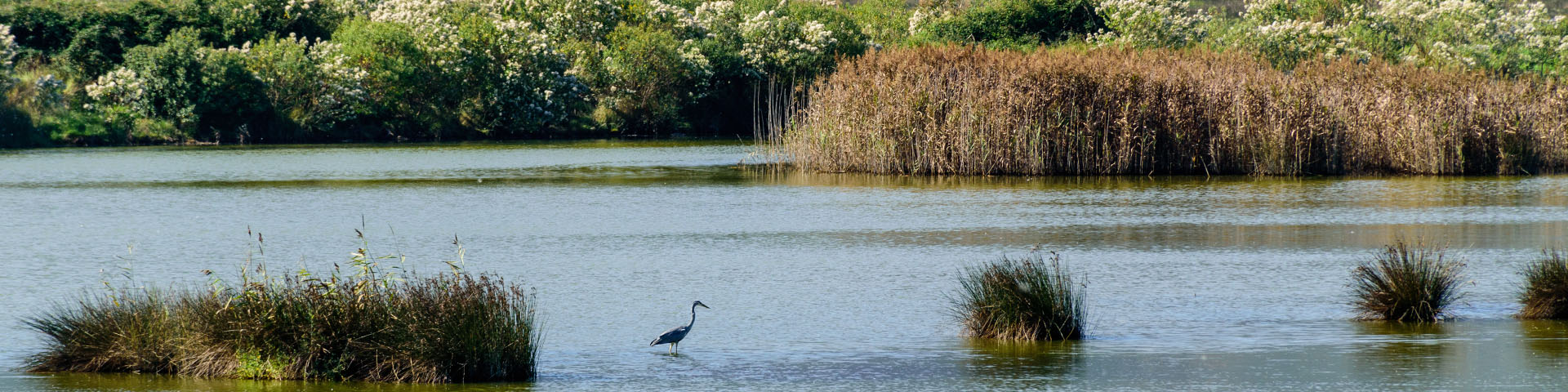
An estuary where migratory birds go to rest, ancient paths that cross Riojan valleys and an island that unites diverse Mediterranean habitats offer an opportunity to approach ecotourism through very different landscapes. Urdaibai, the valleys of the Leza, Jubera, Cidacos and Alhama rivers and Menorca all share the status of Biosphere Reserves, where areas predominantly dedicated to nature conservation coexist alongside others promoting sustainable economic activities. In Urdaibai, this relationship is evident around the Oka River estuary. Where the tides transform the landscape at the river's mouth into the Cantabrian Sea, the marshes become resting places for migratory birds. For observing them, the reserve features an observatory in Busturia and the Urdaibai Bird Center in Gautegiz Arteaga. A network of trails and viewpoints offers alternative perspectives of beaches, forests and limestone massifs. The reserve in Biscay also possesses significant cultural heritage. In Gernika-Lumo, the Assembly House and the museums add a historical dimension to the visit. Bermeo preserves its fishing tradition, while the hamlets and rural activities continue to form part of the landscape. In the southeastern mountain range of La Rioja, the Leza, Jubera, Cidacos and Alhama rivers lend their name to a reserve characterized by its rock formations, ravines and ancient paths connecting various towns. In the Leza gorge, home to the griffon vulture, the river has carved out a chasm, while in the Cidacos valley, the fossilized footprints preserve traces of the dinosaurs that inhabited this territory. The GR-93 allows passage through valleys and along routes that traditionally connected towns and villages. Its stages cross Camero Viejo, Alto Cidacos and the valleys of Alhama-Linares. The trip can then continue at the Celtiberian site of Contrebia Leucade, in the municipality of Aguilar del Río Alhama. Spa and wellness tourism adds another dimension to the region, with a tradition of harnessing thermal spring water dating back to Roman times. Menorca offers a different landscape. The island was declared a Biosphere Reserve in 1993, and its scope of protection includes a vast marine area. Ravines, dune systems, wetlands, caves and islets coexist alongside an inland landscape shaped over centuries by agricultural activities and dry stone walls.
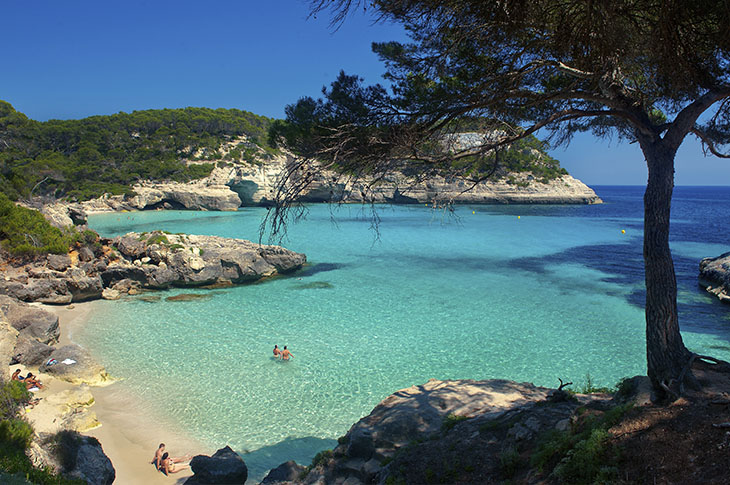
The s'Albufera des Grau Nature Park is another of the prominent conservation areas of the reserve on the island, featuring a lagoon, its land environment and marine zone. Beyond this spot, authorized itineraries allow exploration of the island on foot, by horseback or by bicycle, as well as observation of the birds and plants that inhabit its various environments.