
Rural tourism in Catalonia: flavors and countryside with the family
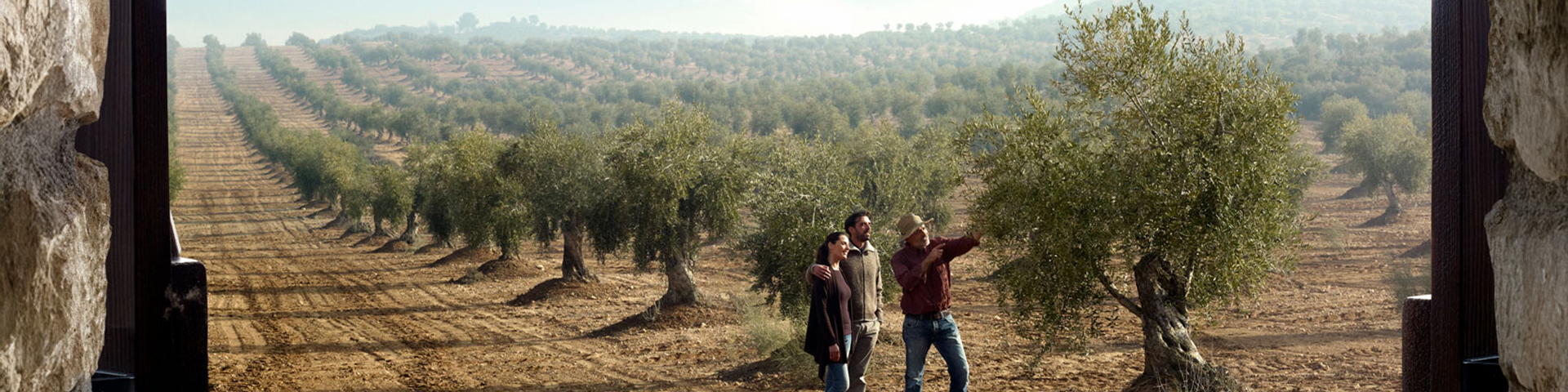
Catalonia offers a way of traveling that begins in the countryside and culminates at the table, with experiences designed for families interested in discovering the origins of food, conversing with those who produce it, and exploring the rural landscape through a close, open, and sensory perspective. With Welcome to Pagès, farms, restaurants, accommodation options, workshops, and activities in the destination join together in an invitation to taste, learn about, and buy local products directly from their protagonists. The proposal is built on a simple yet powerful idea: to open the doors of the agricultural world so that visitors can understand what lies behind what they consume. On farms, fields, orchards, and workshops, producers showcase their daily work, explain the processes linked to cultivation, herding, or production, and bring adults and children closer to a reality that is part of Catalonia’s food identity. Welcome to Pagès began in 2016, within the framework of Catalonia’s candidacy as a European Region of Gastronomy, with the fundamental goal of valuing the work of Catalan farmers and giving greater visibility to those behind the food that reaches the table. Since then, the initiative has evolved into a network of experiences combining local products, the local area, rural culture, and direct sales. One of its most recognizable moments is the Welcome to Pagès Festival, held on October 3 and 4, a weekend of free open doors at various agricultural and livestock farms across Catalonia. The event allows visitors to rediscover the origins of what’s kept in the fridge and what’s shared at the table, while also inviting them to explore herds, gardens, and fields. It also provides a great opportunity to taste and purchase local products directly from their producers. However, the experience is not limited to a specific date. Since 2021, Welcome to Pagès All Year Round has offered paid visits to farms with experiential workshops, so visitors can enjoy a getaway surrounded by gastronomy, nature, and rural life on any weekend. The offer is complemented by restaurants, accommodation options, and activities that help promote local and seasonal products.

The family-oriented approach finds especially fertile ground in these offerings. Some activities invite visitors to discover how life was on the farm 50 years ago, how agriculture has changed, or what it means to experience a full day of rural life up close. The Ethnographic Museum of Ripoll brings visitors closer to the tangible and intangible heritage of El Ripollès, while Expo-Trac, the Tractor Museum and the Farmers’ Museum, in Alt Urgell, display tractors and old tools that help travelers understand how agricultural work has evolved. Other experiences turn this visit into a direct, immersive encounter. At Mas Torrent, in Rupit i Pruit (Osona), theatrical explanations help to better understand rural life decades ago, with treasure hunts for children, dress-up opportunities, and a final tasting. At the La Manreana School Farm, located in Juneda, in Garrigues, visitors can tour an old farmhouse surrounded by fields and nature, with a farm, greenhouse, vegetable garden, and activities related to life in a country house. Organic farming adds another dimension to the journey. Horta Ecològica Pla de Munt, a family business that began its transition to organic farming in 2007, offers products that respect the environment and human health. L’Hort de la Sínia, for its part, functions as a center for environmental education and an agroecological space, with workshops, guided tours, and various activities aimed at promoting organic horticulture and a responsible relationship with nature. This map of possibilities features 16 agritourism routes that traverse Catalonia from the Costa Brava to the Lands of Ebre, passing through the Costa Daurada, the Costa de Barcelona, Barcelona’s landscapes, the Pyrenees, and the Lands of Lleida. Each itinerary combines farms, accommodation options, restaurants, activities, and cultural or scenic recommendations, reinforcing a way of travelling that combines products, landscape, and tradition.
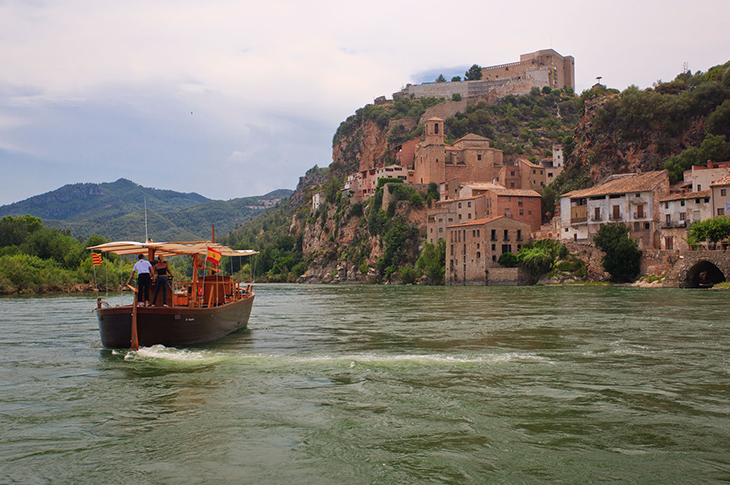
Catalonia offers gastronomic and rural tourism where families do not just observe, but participate, learn, taste, and take away a more conscious relationship with food, the local area, and those who work it.
Location
Catalonia is located in the northeast of Spain, between the Pyrenees and the Mediterranean, bordering France and Andorra. Its main access points include the AP–7, the A–2 and the AP–2 highways; the airports of Barcelona-El Prat, Girona-Costa Brava, and Lleida-Alguaire; the ports of Barcelona and Tarragona; and high-speed AVE stations in Barcelona, Girona, Tarragona, and Lleida.