
Mushroom tourism in Castile and León: mushrooms, forests, and flavors with character
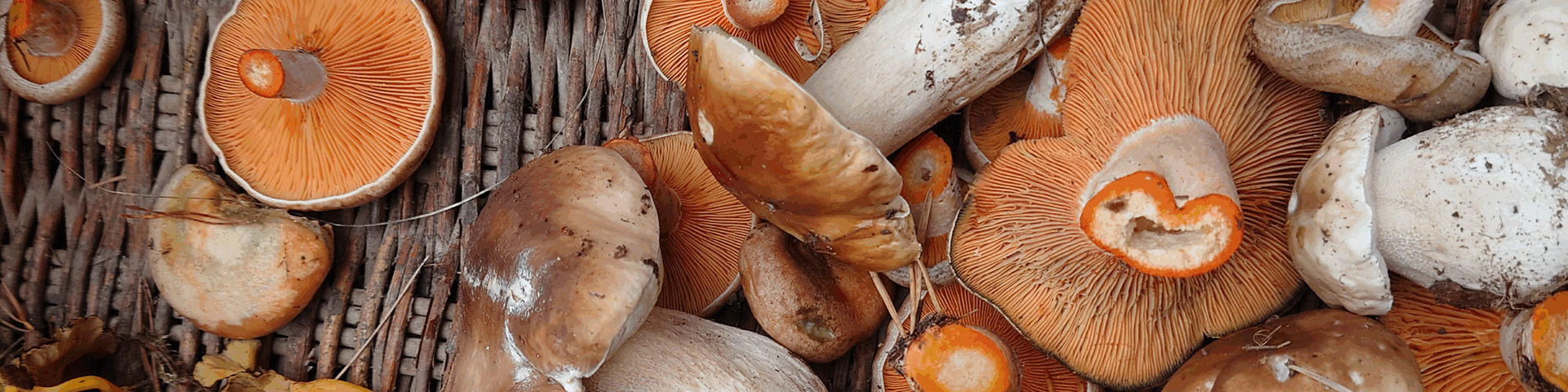
Castile and León has turned mycology into a deeply evocative tourist experience, where the forest is interpreted, the cuisine gains sophistication, and rural communities find new ways to express their own identity. With its regulated parks, marked trails, specialized centers, and natural sites, mushroom tourism invites visitors to take their time, recognize the value of mushrooms, and enjoy a culinary culture deeply rooted in the landscape. From the high mountain ranges to the river plains, this Region unfolds a network of ecosystems that explain its mycological richness: holm oak groves, Pyrenean oak forests, gall oak woods, cork oak forests, pine forests, poplar groves, birch woods, riparian forests, and meadows form a natural mosaic where more than 1,500 species of fungi fruit each year, many of which are edible. In this diverse region, species such as Boletus edulis, Lactarius deliciosus and Amanita caesarea hold ecological, culinary, and cultural value. The province of Salamanca offers one of the most well-rounded settings for this activity. The Sierras de Francia, Béjar, Quilamas, and El Rebollar Mycological Park spans 57,804.97 hectares spread across 44 municipal districts, featuring valleys, peaks, and forests where Mediterranean and Atlantic influences converge. Its network of five routes allows visitors to explore the area with an interpretive understanding of the place. Among them is the 13.8-kilometer Tamames-Aldeanueva de la Sierra circular trail, which is of moderate difficulty and takes four hours to complete. It winds through holm oak, gall oak, and Pyrenean oak forests, while offering insights into history, legends, traditional crafts, flora, and fauna. Soria is a key reference point, but it is also present in the province of Burgos. The Montes de Soria Mycological Park encompasses 127,909 hectares distributed among 84 forest owners, 64 municipalities in Soria, and two in Burgos. Its pine forests of Pinus pinaster and Pinus sylvestris provide an ideal environment for the growth of milk caps and boletes, while dedicated areas such as El Amogable and Muriel Viejo support research and outreach. Surrounding this is an intense agenda of exhibitions, talks, workshops, fairs, tapas days, mushroom-based menus, and major culinary events like Soria Gastronómica and Cooking with Truffles.

Zamora includes another unique area: the Montes del Noroeste Zamorano Mycological Park, covering 21,326.02 hectares and over 800 identified mushroom species, including boletes, cucurriles, roquiles, carrileiras, saffron milk caps, and chanterelles. Its pine forests, oak forests, and other protected areas, notably including the Iberian Plateau Transboundary Biosphere Reserve and the Natura 2000 Network, place foraging within a context of high environmental value. The experience is complemented with visitor centers, classrooms, schools, guided tours, and routes that teach visitors how to identify varieties, cook them, and forage responsibly. Mushroom tourism in Castile and León is not just about going into the forest: it is about understanding the woods, savoring them, and preserving them. Fall is the most anticipated time of year, although the region's diversity makes it possible to explore the world of mushrooms all year round.
Location
Castile and León is located in the northwestern interior of Spain, on the Northern Plateau, bordering Portugal. Access is through the A–1, A–6, A–62, and A–66 motorways; by train from stations such as Valladolid, León, Segovia, Burgos, Salamanca, and Zamora; via the airports of Valladolid, León, Burgos, and Salamanca; and through maritime ports such as Santander, Gijón, and Bilbao.