
From nature trails and hiking paths to the Parador: another way to explore Spain
The Nature Trails Network and Paradores propose a walk through stunning scenery and sleeping surrounded by history
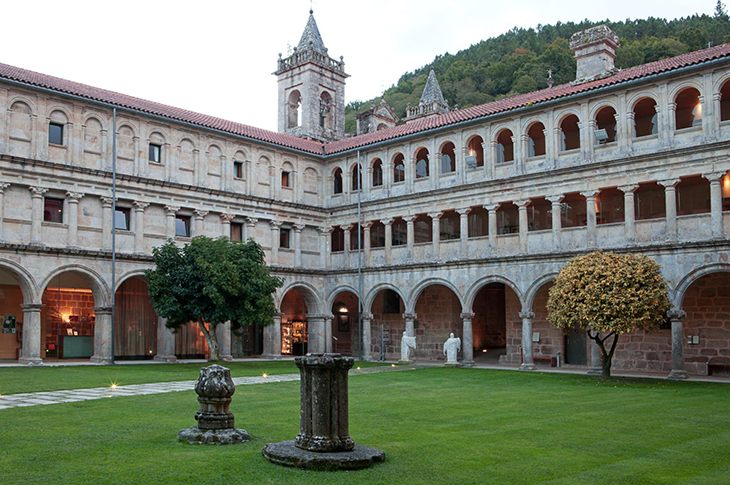
As of 2026, the more than 10,800 kilometres that make up the Nature Trails Network have been equipped with new tools to link routes and accommodations. The collaboration with Paradores includes information about establishments near the routes and plans to expand content in its customer service channels to facilitate route planning. A trail that arrives at a monumental city or borders a vineyard landscape may well continue on to a convent, castle or ancient monastery. This is the experience that combines the itineraries of the Nature Trails Network with the culture, heritage, gastronomy and accommodation offers of Paradores. These independent experiences allow travellers to explore different territories, with establishments serving as both accommodation and starting points for discovering their surroundings. In the Ribeira Sacra, a roughly 24-kilometre route passes by the San Esteban monastery and the Virgen del Monte hermitage. This distance corresponds to the full itinerary, which begins at Alto do Couso and ends next to the bridge by the Santo Estevo railway station. The route traverses forests and ancient paths, with the option to approach viewpoints overlooking the Sil Canyon. Following this, the Parador de Santo Estevo offers a stay in an ancient monastery whose origins date back to the 6th century and which preserves three cloisters.
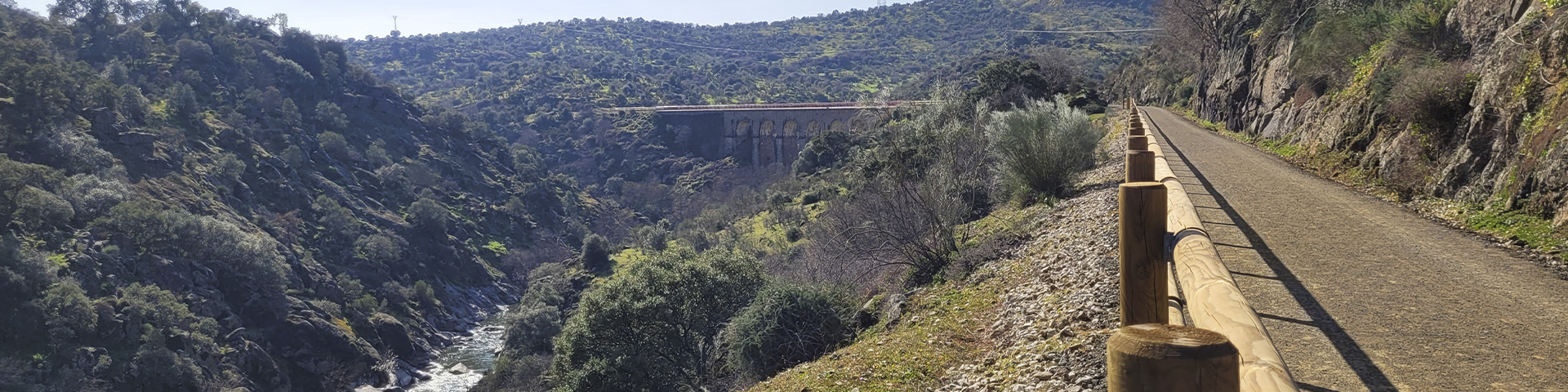
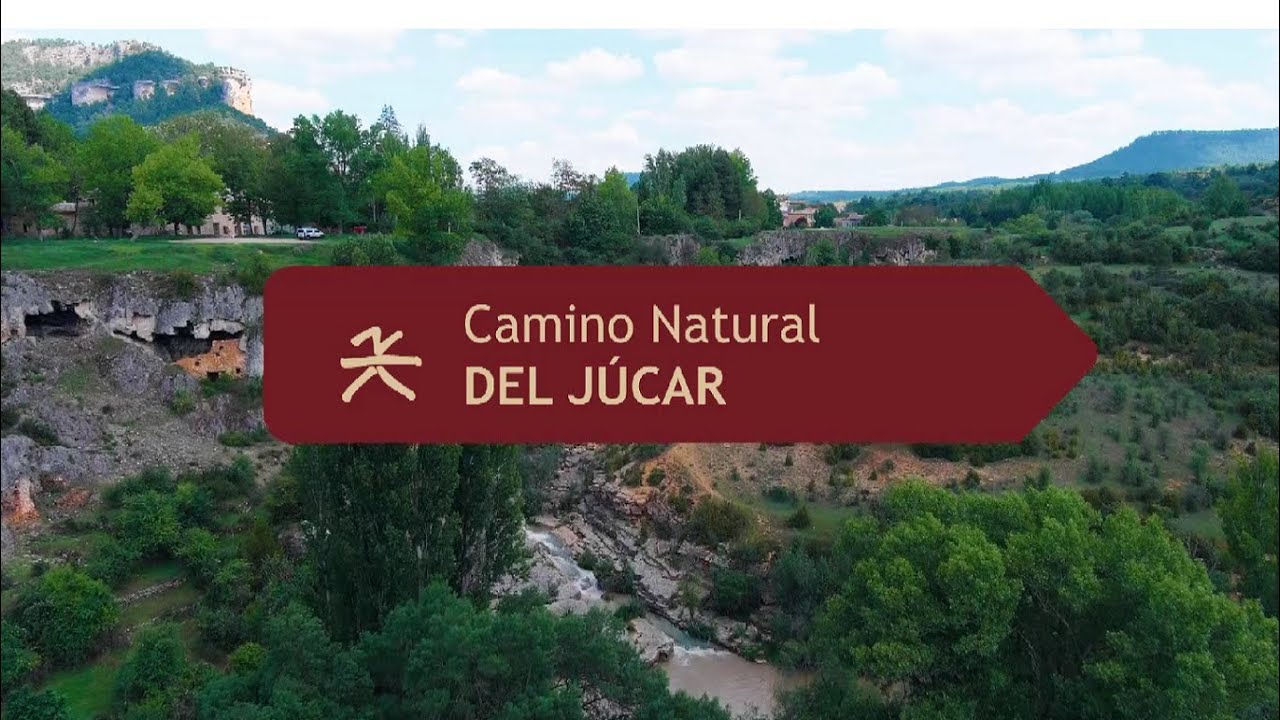
The first stage of the Vía de la Plata Nature Trail departs from the Plasencia railway station towards Jarilla, following the route of the old Plasencia-Astorga railway line. Within the city's monumental complex, the Parador de Plasencia inhabits the former convent of San Vicente Ferrer. The stay allows guests the chance to complete the experience with a stroll through streets where medieval walls, Renaissance palaces and a cathedral complex composed of the Old and New Cathedrals coexist. Upon arriving in Cuenca, there is a different transition. The fifth stage of the Júcar Nature Trail, starting from Villalba de la Sierra, slightly exceeds 20 kilometres and crosses the river gorges until reaching the city. The urban visit continues on beside another watercourse, that of the Huécar River: spanning its ravine, the San Pablo bridge connects the old town with the surroundings of the Parador, housed in the former convent of the same name.
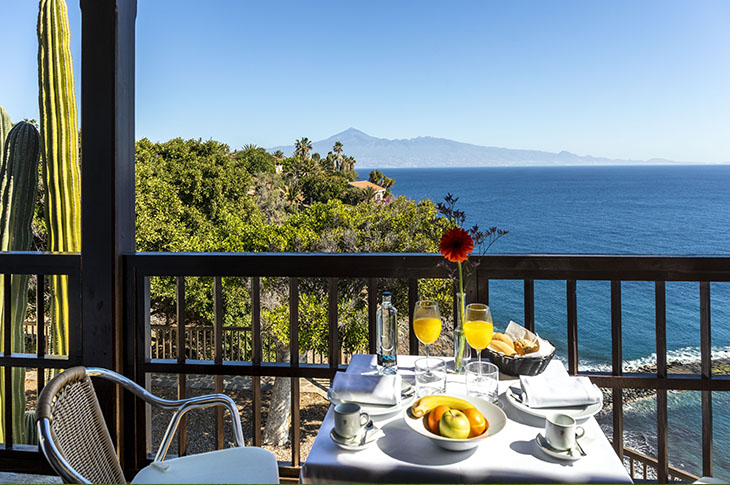
Other circuits bring the memory of the railways to life. The Vía Verde del Aceite Nature Trail follows part of the old railway line that once transported olive oil between Linares and Puente Genil. The experience combines this route with a stay at the Parador de Jaén, which stands atop Santa Catalina hill at an altitude of 800 metres, overlooking the olive grove landscape. In La Gomera (Canary Islands), the Cumbres de La Gomera and Costas de La Gomera nature trails offer two options for getting up close to the island landscape. The first runs near to the Garajonay National Park, while the second allows for exploration of the coastal surroundings. The stay at the Parador de La Gomera, encircled by subtropical gardens and with views of Tenerife and Mount Teide, completes the island exploration experience.
The collaboration also facilitates the choice of each stop before setting off. The signage of numerous trails, the web map viewer and the mobile app identify the nearest paradores as points of interest, including descriptions and images. These tools allow visitors to consult the location of the accommodation in relation to the selected itinerary and plan access to the various routes accordingly. According to the measures announced by the Ministry of Agriculture, Fisheries and Food, Paradores will progressively incorporate information about routes close to all its establishments on their customer service channels and their website. Also envisaged is the inclusion of paradores registered as official stamping points for the Passport of Nature Trails and Greenways of Spain, where users will be able to validate their route.