
Traveling with pets in Spain: destinations and tips
The Spanish coast offers adapted services and spaces for travelers with pets
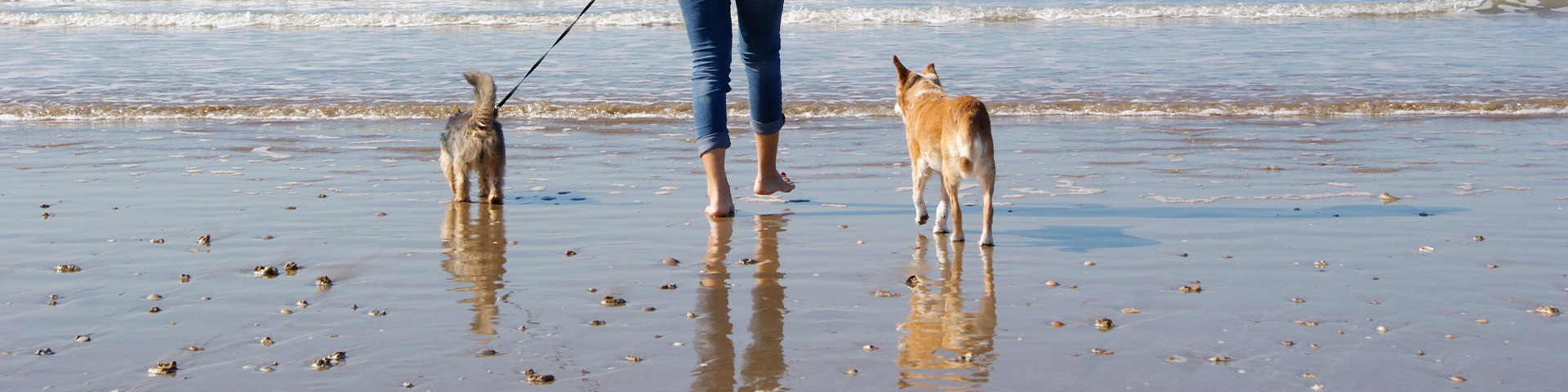
Pet tourism is gaining ground in Spain during the summer season as one of the sector's most visible dynamics, driven by demand that includes pets in sun and beach trips, especially when it comes to family tourism. With more than a hundred dog-friendly beaches, adapted accommodation, and more flexible transportation options, the summer season is moving toward a more inclusive model, in which the coastline opens itself up as a shared space. The rise of traveling with pets has completely transformed the planning of summer vacations and even introduced new priorities to family trips. The choice of destination no longer depends solely on traditional factors, such as location or services, but also on the possibility of sharing the experience with all household members—including pets. As such, sun and beach destinations have gained greater prominence by progressively adapting their offerings to this growing demand. Dog-friendly beaches have become the most obvious element of this new trend, with more than 100 designated areas across the country. The Mediterranean coast brings together much of this network, with notable locations in Catalonia, such as La Rubina, in Empuriabrava, or the Llevant beach, in Barcelona, where visitors can enjoy designated areas and specific services. In the north, Cantabria reveals alternatives such as La Maza, in San Vicente de la Barquera, or El Puntal, in Somo, both integrated into natural surroundings that expand the offering for family tourism with pets. In all these destinations, municipal regulations establish the conditions of use, especially during summer when tourist pressure increases and restrictions intensify on non-designated beaches.
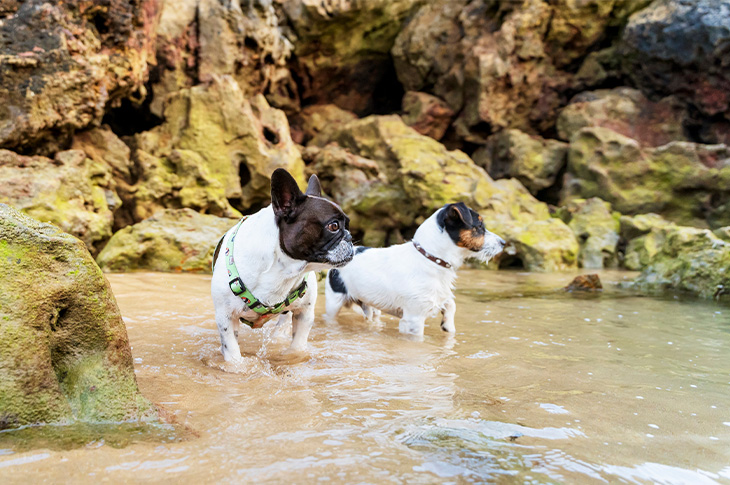
The Region of Valencia reinforces this offering with beaches such as Pinedo, in Valencia, or La Torreta-Santa Elvira, in El Puig, while in Alicante, sites like Agua Amarga or El Xarco, in Villajoyosa, stand out. In the Region of Murcia, Las Moreras and El Gachero (both in Mazarrón), offer less crowded environments, particularly appreciated by families seeking tranquility. In Andalusia, beaches such as El Castillo, in Fuengirola, or Torre del Mar, in Malaga, consolidate their appeal on the Costa del Sol, while in the Balearic Islands, spots like Cala dels Gats, in Mallorca, or Cala Fustam, in Menorca, add a more scenic and relaxed component. Accommodation remains one of the key determining factors of the trip. Although the pet-friendly offering has been expanding, finding adapted establishments is still decisive in turning any getaway into a real option. In this context, camping stands out as one of the best aligned options for family tourism with pets, thanks to its open spaces, proximity to nature, and high acceptance of companion animals. Mobility has also evolved to facilitate these journeys. Renfe allows travel with small animals on AVE, Avlo, and Medium Distance trains under specific conditions—plus, on certain AVE trains, it offers spaces for dogs up to 88 pounds, who can travel without carriers and occupy the adjacent seat. This adaptation, together with the expansion of services on trains, flights, and in accommodation, demonstrates a structural change in the way families travel. The traveler profile confirms this transformation: Spain’s coast remains the preferred setting for those travelling with pets, followed closely by rural or mountain destinations. A choice that reflects a clear desire for open, accessible, and shared spaces capable of including companion animals in the journey without foregoing rest, shared experiences, and summer fun.