
Astrotourism in La Rioja: stellar parks and archaeological sites under the stars
The valleys of Leza, Jubera, Cidacos and Alhama combine stargazing activities with culture and nature
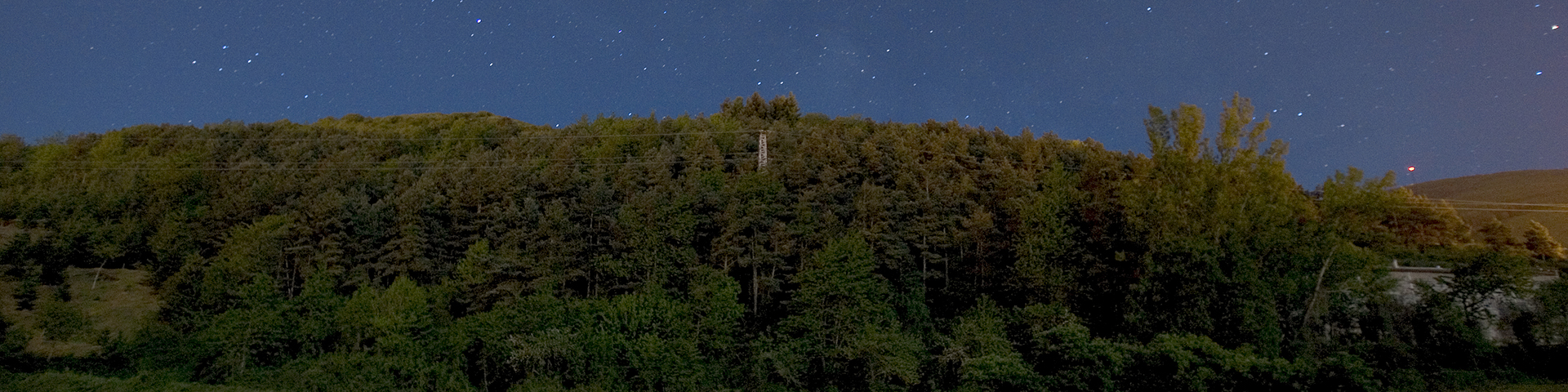
When night falls, the valleys of Leza, Jubera, Cidacos and Alhama offer a very different way to explore La Rioja. The night sky becomes the guiding thread of an experience that blends nature, heritage and silence in a region renowned for the quality of its skies, and which was declared the first Starlight Tourist Destination in Spain, nestled within a protected area. There, the experience can combine stellar parks, archaeological sites, castles and other unique landmarks of the Biosphere Reserve. In Trevijano, the dolmen of Collado del Mayo starts off the route by asking visitors what it meant to gaze at the sky for those who inhabited these same valleys long before us. Near Zenzano, travellers have the chance to learn more about the constellations next to the great karst sinkhole, and from there, the journey can continue on to other spots. History reemerges at Contrebia Leucade, in Aguilar del Río Alhama, where Celtiberian culture and its myths are closely linked to the skies. In Cornago, the Castle of the Luna Family offers another link between heritage and heavens, while the Ocón Windmill helps understand the relationship between the lunar phases and agriculture. There are also experiences in which the night itself transforms the visit entirely. The thermal springs of Arnedillo can be enjoyed beneath a blanket of stars, and the abandoned villages offer another distinctive combination of the region: darkness and silence. The low population density means that in various areas, the only sounds to be heard are those made by nature, such as water, wind or animals, a feature that enhances the feeling of seclusion and connection with the nocturnal environment. Two places specifically bring the night sky closer to visitors. The stellar park of Laguna de Cameros, located at the end of the Leza valley and near the border with the province of Soria, is situated in an area with one of the best skies in La Rioja. There, stargazing is combined with the village’s architecture and the sounds of the night. The second stellar park can be found in Cervera del Río Alhama. Although the town does record higher levels of light pollution than other points in the Biosphere Reserve, it is still possible to observe the stars from this space and engage in environmental education activities related to the night sky.
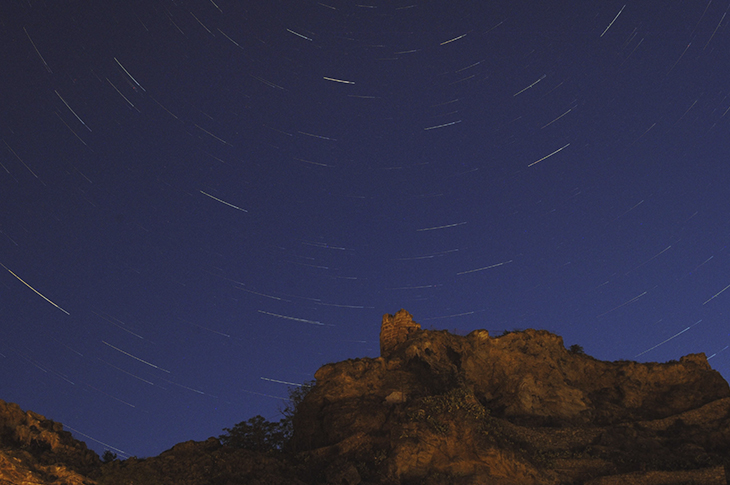
Adding to this offering is El Hayedo de los Sueños Country House, accredited in 2026 as a Starlight Accommodation and located in Quintanar de Rioja. This establishment incorporates astronomical culture into its rural offering, provides resources for observation and helps raise awareness of the night as a natural, scientific and cultural heritage. At the foot of the Sierra de la Demanda and surrounded by forests and mountains, the accommodation takes advantage of the low light pollution in its surroundings to include stargazing as a part of the stay. In this way, Astrotourism becomes part of an experience that is also linked to nature, hiking and rural tourism.
Location
La Rioja is located in the north of Spain, in the Ebro Valley. Its main air access is the Logroño-Agoncillo airport, located 14 kilometres from Logroño. The community features train and road connections, mainly via the A–68 and the N–232, which link to neighbouring communities.