
Winter birdwatching: Spain’s top destinations to see birds
Must-visit destinations for birdwatching and winter landscapes
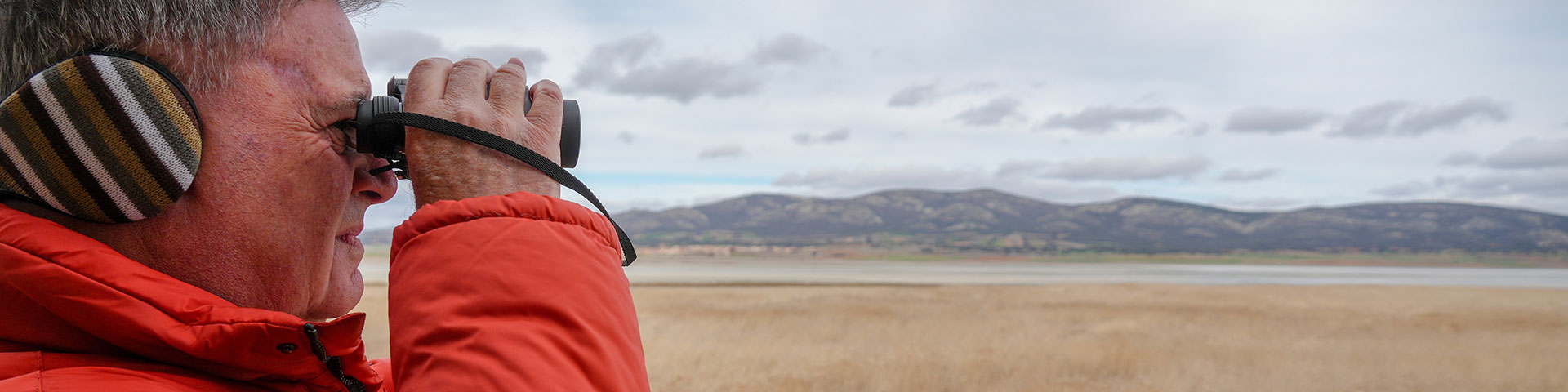
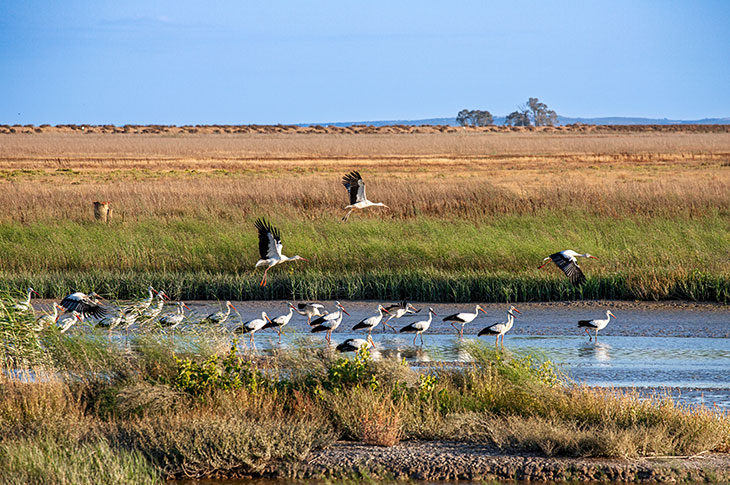
When frost blankets the fields and an absolute silence envelops the mountains, Spain’s wetlands come alive. Every winter, thousands of birds arrive from northern Europe to feed and rest before heading back in spring. On this annual journey, Spain stands out as one of the top locations to observe these birds—a unique opportunity to blend nature, sustainability, and active tourism amid some of its most extraordinary landscapes. Birdwatching tourism has firmly established itself in our country as a favorite choice during the winter season. Between November and March, the country’s expansive wetlands welcome thousands of migratory birds seeking mild temperatures and abundant food; these five sites perfectly showcase the wealth and diversity of this natural phenomenon. Doñana, Andalusia. Shared by the provinces of Huelva, Seville, and Cádiz, the Doñana National Park is a natural treasure recognized by UNESCO. In winter, its marshes welcome ducks, geese, and flamingos arriving from northern Europe. Herons, storks, and spoonbills find their perfect diet here too, among the algae, fish, and crustaceans. Visitors can combine birdwatching with a cultural tour of the village of El Rocío, located at the park’s entrance, where tradition, religious pilgrimage, and nature beautifully intertwine.
Gallocanta Lagoon Natural Reserve, Aragon. On the border between Zaragoza and Teruel, the Gallocanta salt lagoon gathers tens of thousands of cranes from northern Europe every winter. Their synchronized flight at dawn and dusk creates one of the most breathtaking sights of the cold season. Designated observatories allow visitors to enjoy this spectacle without disturbing the environment, while the frozen fields surrounding the lagoon enhance the landscape’s austere and majestic beauty. Villafáfila Lagoons, Castile and León. Labeled a Special Protection Area for Birds (ZEPA), this Zamoran site shelters the world’s largest population of great bustards. In the winter months, geese, duck species, and cranes add to this rich setting of grasslands and wetlands. Clay dovecotes scattered across Tierra de Campos complete the experience, offering up a landscape shaped by the coming together of nature and rural life. Santoña Marshes, Cantabria. This complex, made up of the Santoña, Victoria, and Joyel marshes on the Cantabrian coast, plays host to divers, grebes, and spoonbills during winter. It is one of the most significant wetlands in northern peninsular Spain, serving as a refuge and resting place for birds arriving from the Atlantic. Its lush landscape and easy accessibility make it the perfect destination for those hoping to enjoy birdwatching close to the sea.
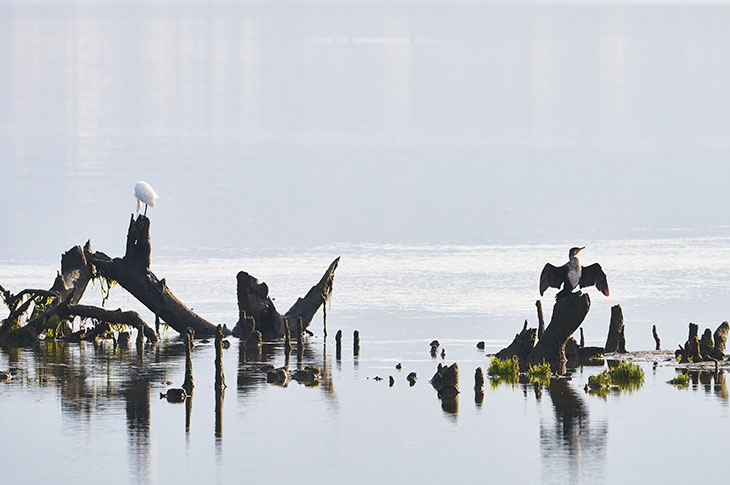
Ebro Delta, Catalonia. In the province of Tarragona, the Ebro Delta provides refuge for thousands of flamingos, cormorants, and wading birds. In winter, the flooded rice fields become natural larders, attracting migratory birds from across Europe. The variety of habitats—lagoons, marshes, and sandbars—makes birdwatching possible throughout the day, without having to get up at the crack of dawn, thanks to the season’s characteristic thermal stability.