
Set course for Jacobean Holy Year 2027: unique destinations that elevate the Way of St James experience
Heritage, landscape, and history combine in a selection of sites spread across all routes
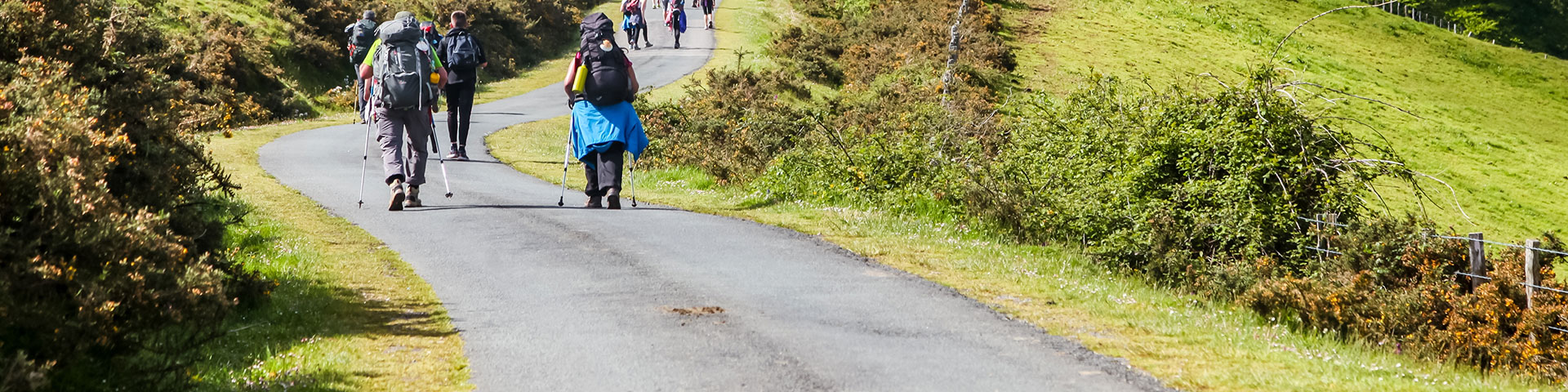
With an eye on Holy Year 2027, the Way of St James is reinforcing its status as a great European cultural itinerary through a curated selection of 27 charming destinations scattered along its various routes in Galicia.These are sites that, without competing with the great monumental landmarks, provide narrative depth, landscape diversity, and territorial authenticity, shaping a high-value offering for the tourism sector and travelers seeking meaningful experiences. The Way of St James, recognized around the globe, brings together travelers from some of the most remote places with a shared desire: to experience it firsthand. This attractive pull is supported by an age-old history and a heritage that alternates between great landmarks and a network of discreet discoveries. Looking ahead to 2027, the enhancement strategy is structured precisely around defending these iconic features. This setting reveals a great opportunity: designing proposals that merge the route’s universal appeal with a curated selection of less obvious stops, perfect for extending stays, distributing flows, and enriching the destination's narrative. Larger monuments, such as the cathedrals of Tui or Mondoñedo, the bridge of Ponte Maceira or the Samos Monastery, dialogue with a constellation of sites that pilgrims often pass through much too quickly.
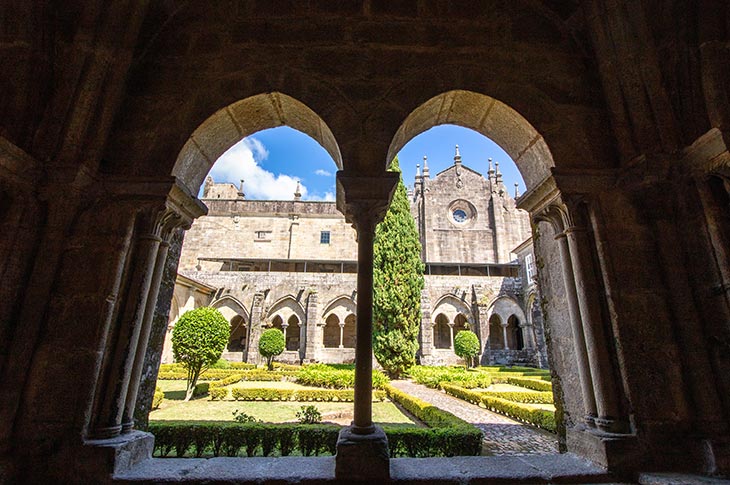
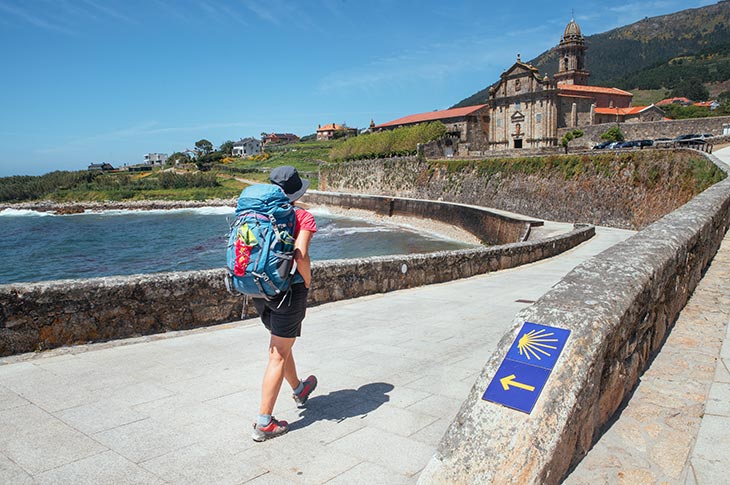
Right in the heart of the French Way, Hospital da Condesa offers an example of how a stop along the way can become the best experience. In the shadow of a masonry tower, with small stones interlocked in an almost miraculous balance, there is a bench that, from spring to autumn, ranks among one of the most sought-after along the Galician stretch. Surrounding the building, you’ll find an esplanade linked to an ancient threshing floor, while the village’s name itself refers to the existence of a 9th-century pilgrims' hospital. Also on the French Way, Triacastela reveals a “food and shelter” setting infused with centuries of history. In Ramil, at the end of the medieval street, the crossroads that lead to San Xil or to Samos and its monastery draw pilgrims’ gazes toward the Casa da Ponte, an old masonry smithy known by this name since the 16th century. Its fortress-like air evokes the building’s historical role providing accommodation for those journeying on horseback. Further on, Sarria once again reminds us why it’s the preferred starting point for this walk: the 13th-century Áspera bridge leads to the Santiago de Barbadelo Church, with references to the monastery found as early as 874, alongside mentions in the Codex Calixtinus. The Original Way adds layers of narrative among its fortresses, temples, and relics. Today, A Proba de Burón is still home to the surviving tower of a fortress that was demolished and rebuilt following the Irmandiño revolt, beside an Asturian-influenced granary and two churches bearing witness to the town’s former significance. At Hospital de Montouto, where two branches converge in the A Fonsagrada area, a roofless dolmen reveals an atmosphere somewhere between the mythical and the sacred, alongside the restored ruins of the hospital and a small chapel that preserves a cross and an image of Saint James the Apostle behind a transparent door. Castroverde, at the end of this stage, invites travelers to ascend the Rúa Fortaleza toward a 14th-century keep, featuring an elevated Norman-style door and a piper carved in the lintel. On the Northern Way, the sanctuary of Arante is home to a sequence of murals depicting episodes from the life of the Virgin, while its surroundings commemorate the local resistance against General Fournier's French army in 1809. Mondoñedo, meanwhile, places pilgrims before the cathedral and the seated statue of Álvaro Cunqueiro, installed in 1991, gazing toward the square upon which the scallops are paraded. In Vilalba, the Sa Bridge features side spillways to withstand flooding and a cobbled surface bearing witness to its medieval origin and the restorations that have kept it in use today. The Portuguese Way offers moments of local history and seaside landscapes. In Tui, the 12th-century Febres Bridge marks the spot where Saint Telmo fell gravely ill in 1246. In Pontevedra, A Canicouva presents a climb over polished granite blocks, with the traces of carts still visible today, culminating beside the chapel of Santa Marta, with its calvary erected in 1617, followed by a descent towards the city. On the Portuguese Coastal Way, pilgrims will look out onto the Atlantic: near Baiona, the Estelas, Dentro, and Fora islands emerge, surrounded by the reefs of As Serralleiras and renowned for their rich shellfish resources. As the crowning touch, Santiago de Compostela encapsulates the real meaning of all these routes. The cathedral, the 12th-century Pórtico de la Gloria, the emblematic Plaza del Obradoiro, and, during a holy year, the chance to pass through the Holy Door, set the scene for a finale that is also a beginning: that of a Galicia which, as it heads toward 2027, invites visitors to stop a little longer and look a little closer.
Location
Galicia is located in the northwest of the country, bordering Portugal to the south and the Atlantic Ocean and Cantabrian Sea to the north and west. Its main access routes include the A-6 and A-52 highways, the Santiago-Rosalía de Castro, A Coruña, and Vigo airports, train stations connected to the high-speed rail network, and commercial ports in the cities of Vigo, A Coruña, and Ferrol.