
Valencia can be discovered through its markets: a journey through local flavor
Local products, architecture, and everyday life define a unique urban experience.
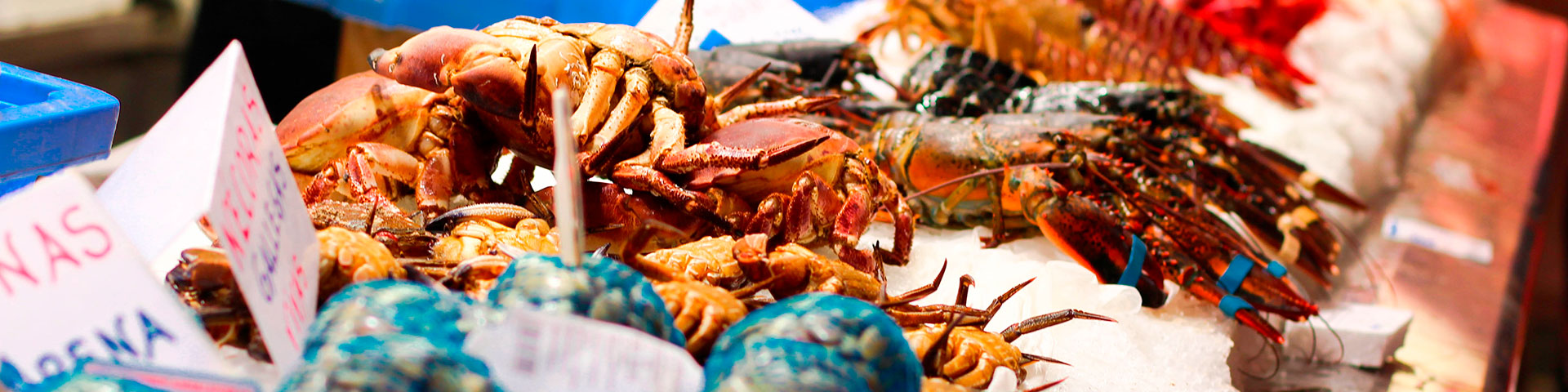
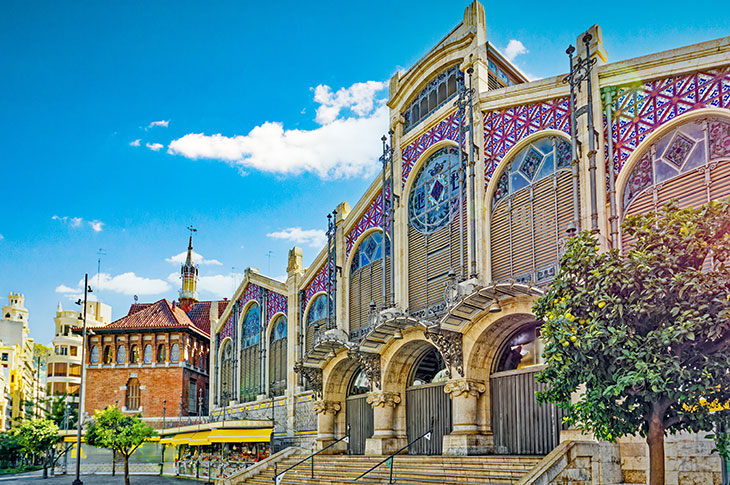
Valencia offers travelers a distinctive way to discover the city through its municipal markets, authentic spaces dedicated to local products where sustainability, local produce, and local life converge. From great architectural icons to neighborhood markets with a strong personality, these are places that connect orchards, the coast, and urban tradition through an experience that invites you to explore the city with a fusion of flavors, aromas, and daily rhythms. Exploring the markets of Valencia gives visitors the opportunity to delve into the very essence of the city. In every neighborhood, these spaces act as meeting points where fresh produce, architecture, and daily life naturally merge. The network of markets reflects the destination’s commitment to sustainability, responsible consumption, and the promotion of the local supply chain, turning shopping and tasting into a cultural experience. The Central Market is a major emblem of the city. Located in the historic center, it is one of the largest fresh product markets in the whole of Europe and a notable work of Valencian modernism. Beneath its domes, iron columns, tiles and stained glass, more than 250 stalls offer fruits and vegetables from orchards, meats, cheeses, spices, fish, and seafood from the Mediterranean. In this space, traditional shopping coexists with visitors drawn to an environment where the senses are awakened at every step.
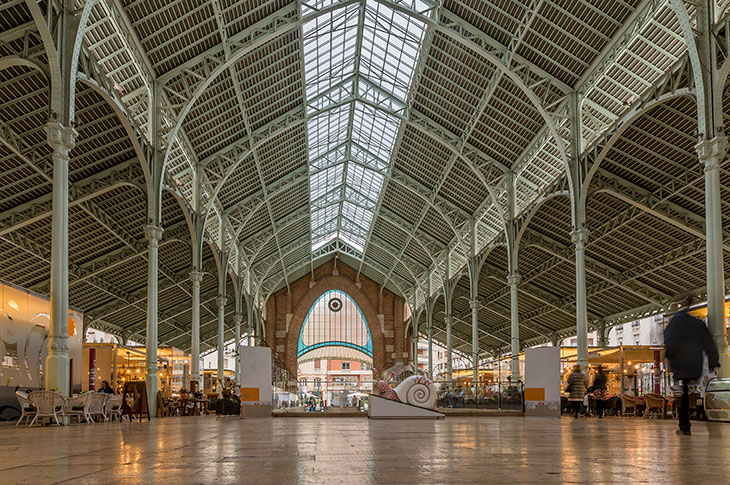
In the Old Town, the Mercado de Mossén Sorell offers a more intimate experience. Built over the ruins of an ancient palace and renovated with a bright, contemporary aesthetic, this market combines local organic products with dining spaces and cultural activities. Its lively atmosphere, especially on weekends, makes it a place to shop, taste, and spend time together. The renowned Ruzafa Market reflects the creative and diverse character of the neighborhood that hosts it. With rationalist architecture and a strong functional character, it maintains a firm neighborhood market identity, with more than 160 stalls offering local products. Its offerings coexist with gastronomic proposals and participatory activities, incorporated into a dynamic urban setting with galleries, cultural spaces, and a vibrant social life. Overlooking the Mediterranean, the Cabanyal Market is directly connected to Valencia's maritime tradition. In this historic fishermen’s neighborhood, the market stands out for its offer of fish and seafood, salted products, and preserves. Renovated and functional, it keeps the relationship between the neighborhood and the sea alive, strengthened by the direct sales of agricultural products in its surroundings. The Grao Market, one of the oldest, represents the join between history and renewal. After its comprehensive rehabilitation, it has become an open space that revitalizes neighborhood life, combining seasonal product stalls with meeting areas, bars, and cafés, in a setting linked to traditional dining. The tour is completed by the Colón Market, an old modernist market transformed into a gastronomic and social space. In the Ensanche district, the terraces, restaurants, and cafes have turned this historic building into a meeting point where the city can be enjoyed at leisure.
In Valencia, markets do not merely supply goods: they structure urban life, connect the territory, and offer travelers a direct way to understand the city's identity. Location Valencia is located on the eastern coast of Spain, on the shores of the Mediterranean Sea, within the Region of Valencia. It is connected by the AP–7 and A–3 motorways, has an international airport, commercial and cruise ports, and a railway station with AVE high-speed train services and long-distance connections.