
Cemeteries as open-air museums across Spain
Spain embraces themed cemetery routes as a unique facet of its cultural heritage
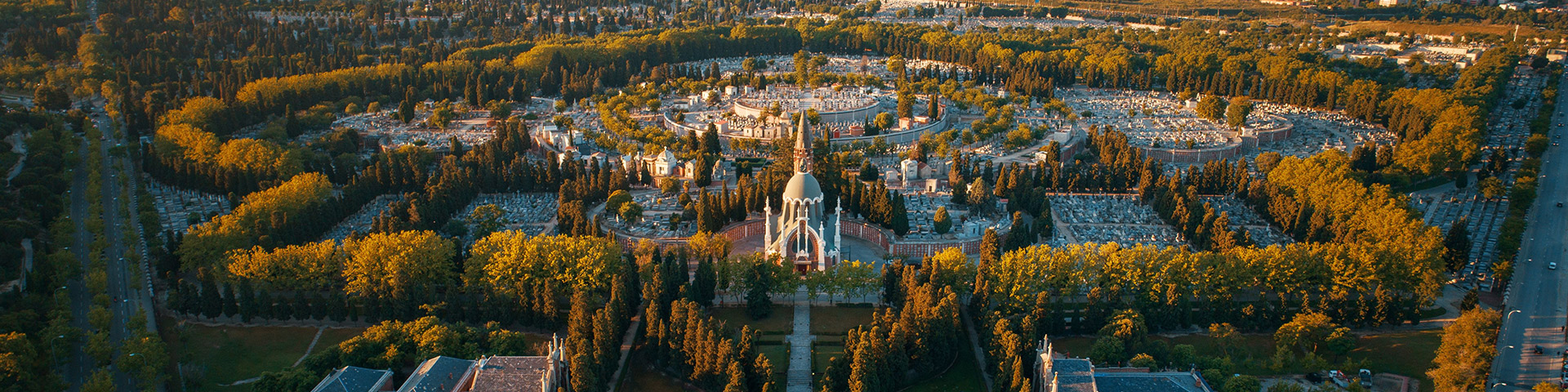
Spain has started fostering cemetery tourism as a cultural option, focusing on the respectful preservation and promotion of funerary heritage. While this trend has long been established in other European capitals, Spain is carving out its place with over twenty cemeteries included in the European Cemetery Route, renowned for their architectural, sculptural and historical significance. 22 Spanish cemeteries are included in this route, which has been recognised as a Cultural Route by the Council of Europe since 2010. This recognition attests to their historical significance, transforming these sites into valuable tourist attractions with the potential to draw visitors interested in funerary art, collective memory and other cultural expressions linked to death. The network spans a diverse range of styles, regions and interpretive approaches. In Madrid, the La Almudena Cemetery stands out as the capital’s largest, boasting impressive mausoleums and the graves of prominent figures such as Pío Baroja, Santiago Ramón y Cajal and Lola Flores. Catalonia has the largest representation, with nine cemeteries included, among them the modernist Lloret de Mar Cemetery and the neoclassical cemetery in Reus, one of Spain’s earliest public cemeteries.
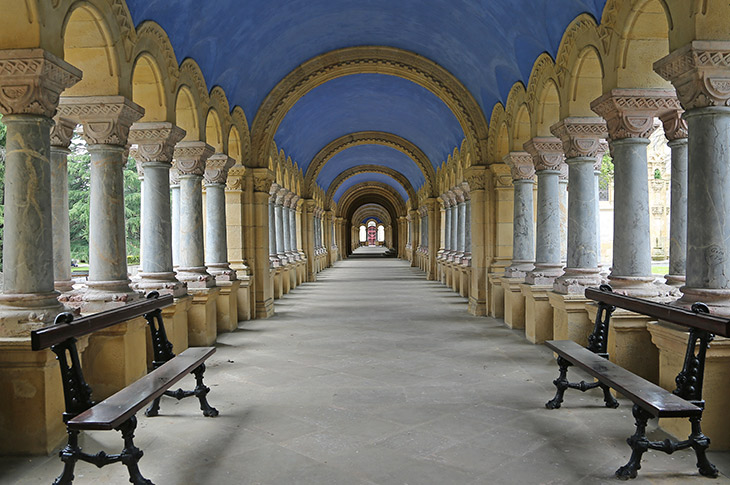
In Valencia, the General Cemetery has launched the Museum of Silence project, offering four themed routes and a free app. In the Basque Country, Polloe Cemetery in Donosti is home to the tomb of Clara Campoamor (a leading advocate for women's rights), while the cemetery in Bilbao is home to one of the country’s most significant collections of funerary art. In Galicia, the cemeteries of San Amaro (A Coruña) and San Froilán (Lugo) stand out as key points of interest along the European route. Also noteworthy are the Ciriego Cemetery in Santander, the English Cemetery in Málaga, the peninsula’s first Protestant cemetery; and the Monturque Cemetery in Córdoba, which encompasses Roman archaeological remains beneath its grounds.