

The tardeo redefines urban leisure in Spanish destinations
Gastronomy, music, and local life consolidate this way of going out in the afternoon in cities across Spain
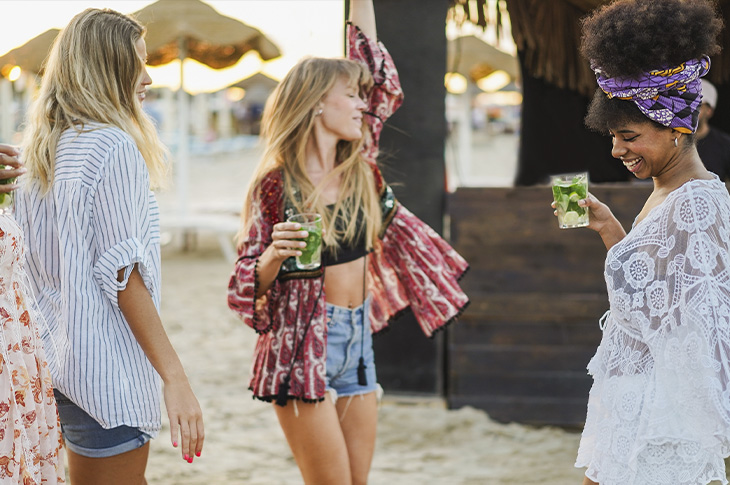
In Spain, the tardeo has become a ritual—shifting the focus from night to daylight hours and offering a more balanced and extended form of leisure. This experience has a real personality of its own, capable of connecting gastronomy, socializing, and pleasure, while transforming the afternoon into a key moment of contact with local life. The success of the tardeo primarily responds to a change in priorities. The pursuit of more relaxed plans, compatible with rest and far removed from nocturnal excesses, has promoted its expansion. Going out in the afternoon allows visitors to enjoy gastronomy, music, and good company without disrupting their daily routine, making this practice an attractive alternative for an increasingly broad audience. For tourists, this concept offers a more sensory and intimate way to approach the city by engaging with its rhythm, flavors, and atmosphere. Madrid structures its tardeo in dynamic neighborhoods such as La Latina or Malasaña, while Barcelona incorporates it into its vermouth and tapas culture. Andalusia, meanwhile, maintains a more direct connection with the tradition of tapas, and cities such as Bilbao, San Sebastián, or Zaragoza have found an ideal setting for this practice in their historic town centers. Other key spots include the Balearic Islands and the Canary Islands, where the tardeo takes on its own nuances. In the Santa Catalina neighborhood (Palma de Mallorca), plans usually start at midday around the markets and continue through bars and venues with music until nightfall. Meanwhile, Santa Cruz de Tenerife stands out for an offering that combines tapas, affordable beer, live music, and terraces, especially in areas like La Noria, El Toscal, or the surroundings of García Sanabria Park, confirming the Atlantic as a natural setting in which to reveal the tardeo’s full potential.
Within this context, markets and food markets are consolidating their role as key afternoon venues. In Córdoba, the Victoria Market brings together more than twenty stalls—uniting local and international cuisine within an environment which expands the experience through cocktails and music. In Bilbao, the Ribera Market, running alongside the Nervión river estuary, combines a traditional market, dining, and leisure offerings, to connect products and social life. Valencia offers a more cosmopolitan version with the Colón Market, a modernist gem that brings together terraces, gastronomy, and leisure in the heart of the city. Far from a passing trend, the tardeo represents a coherent evolution of the Spanish lifestyle. It is a way of understanding leisure that emphasizes balance, socializing, and making the most of our time, positioning the afternoon as the centerpiece of a collective experience.