
Destinations that make sustainability their best calling card
Sustainability guides Spanish destinations towards a more balanced and lasting tourism model
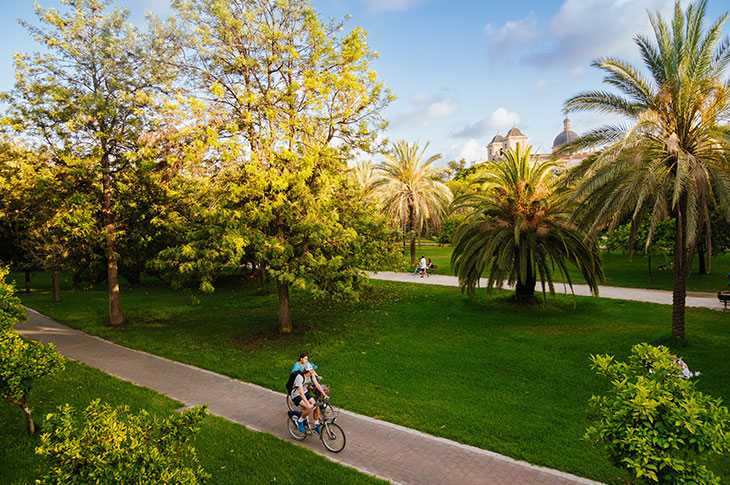
From north to south, Spain is redefining its tourism leadership through sustainability. Entire cities and regions have decided to commit to a model that respects territorial limits, improves residents' quality of life and offers travelers more authentic experiences. From the vertical Benidorm that conserves every drop of water to the Ecotourism Reserve of Green Spain, through the islands that measure their carbon footprint, responsible tourism has already become a national hallmark. Benidorm, vertical efficiency (Region of Valencia). Benidorm has been proving for over half a century that density is not at odds with sustainability. Its compact model optimizes resources, reduces land use and enables 70% of trips to be made on foot or by bicycle. With water efficiency exceeding 95%, 100% renewable energy in its public buildings and an urban sensor system that anticipates the effects of climate change, the city has consolidated its position as a European benchmark for responsible tourism and smart planning. Valencia, a green capital model. The Turia capital has transformed its urban landscape with miles of bike lanes, pedestrian areas and locally sourced gastronomy connected to the orchards and the Albufera. Valencia is the first city in the world to certify its tourist carbon and water footprints according to international standards. Its leadership as European Green Capital demonstrates that data-driven policies and sustainable mobility can also inspire excitement.
Balearic Islands, pioneers in circularity. The Balearic archipelago was a pioneer in passing a tourism sustainability law that promotes the circular economy. Hotels with adjustable beds, efficient air conditioning systems and mandatory quotas featuring local products reflect a tangible commitment to the environment and to people. In Formentera and Ibiza, restrictions on non-resident vehicles during the summer mark a further step towards sustainable mobility, while the regional pact for sustainability continues to make progress in labor welfare and environmental balance. Canary Islands, the Atlantic’s climate laboratory. The eight islands have made climate action a common roadmap. Its Climate Action Master Plan drives tourism decarbonization and supports projects that regenerate ecosystems and reduce emissions. From the innovative “Journey to Decarbonization” program to actions aimed at protecting the Cory’s shearwater, the archipelago is committed to a more conscious and responsible visitor, one who chooses destinations that care for biodiversity and the future. Green Spain, nature in its purest form. Asturias, Cantabria, Galicia and the Basque Country have joined together in the Green Spain Ecotourism Reserve, a living nature corridor connecting 25 protected areas. Visitors can spot bears or bearded vultures, follow mycological routes or go stargazing on nights free from light pollution. More than just a destination, it is an invitation to reconnect with rural essence, support the local fabric and discover the beauty of a country committed to sustainability.