
Saint John’s Eve: the night that sets experiential tourism ablaze in Spain
Ritual, identity, and crowded beaches in a historic celebration marking the start of the high season
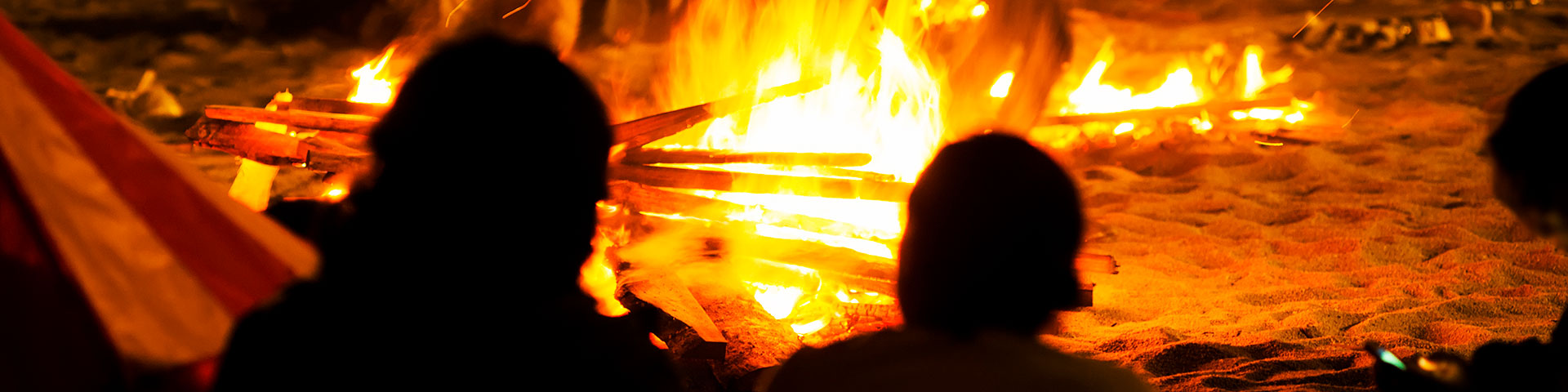
Saint John’s Eve is one of the Spanish festivals with the greatest tourist appeal, combining ancestral rituals, coastal settings, and mass social participation. Fire and water shape a collective experience that symbolically inaugurates summer, activating urban and rural destinations and generating consumption, economic dynamism, and a cultural narrative that reinforces the country's positioning as an experiential destination. Every June 23rd, Spain offers a mosaic up of celebrations that showcase the land’s cultural diversity. Saint John’s Eve is not only a popular festival but a phenomenon that mobilizes beaches, urban centers, and small towns, integrating tradition, nightlife, and local gastronomy into an experience with significant emotional value. In the Region of Valencia, the occasion takes on a monumental dimension. The Bonfires of Alicante, declared an International Tourist Interest Festival, transform the city into an open-air museum for one night, where satirical sculptures, parades, mascletás, and the Cremà bonfire structure a narrative that attracts thousands of visitors. Meanwhile, the beaches of coastal towns such as Benidorm, Torrevieja, or Jávea enhance their appeal thanks to popular bonfires and sea rituals. In the city of Valencia, locations like Malvarrosa beach and Las Arenas have consolidated their position as festive spaces with nighttime parties and activities that keep the celebrations going till dawn. Catalonia offers a unique identity perspective with its Nit de Sant Joan. In Barcelona, Barceloneta beach and Poblenou bring together bonfires, fireworks, and music—while the arrival of the Flame of Canigó symbolically links the Pyrenees to the coast, strengthening this celebration’s heritage and emotional value.
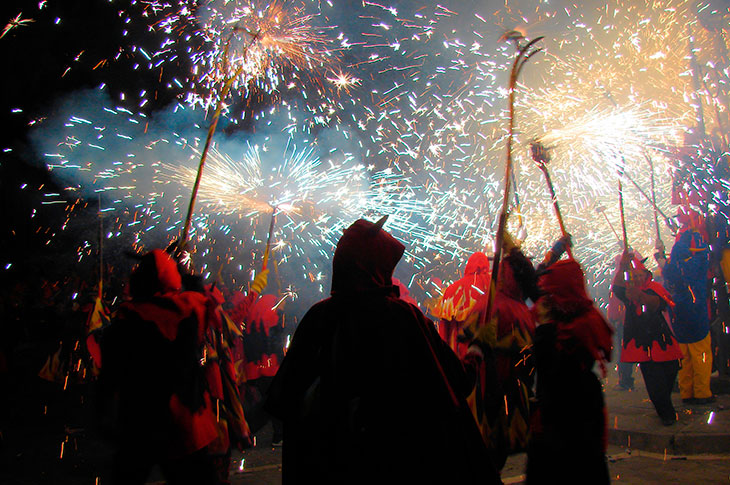
In Andalusia, Saint John’s Eve takes on a bold, popular character. Malaga reveals its burning of the júas—effigies symbolizing negativity that burn as a collective gesture of renewal, accompanied by beach bonfires, music, and grilled sardines. This combination positions the beach as a space for coexistence and consumption, highly attractive to visitors. Meanwhile, the northern peninsula offers a more ancestral and mystical dimension. In Galicia, the Noite de San Xoán fills sand beaches such as Riazor and Orzán, in A Coruña, with lumeiradas (bonfires), sardines, and rituals linked to fire and water. In Asturias, celebrations such as San Xuan in Gijón or Mieres incorporate the Danza Prima, traditional music, and the presence of mythological beings, reinforcing the destination’s cultural uniqueness. These offerings are all complemented by celebrations of high heritage value such as the Jaleos of Ciutadella (Menorca), the Descenso de Falles in Isil (Lleida), the Paso del Fuego in San Pedro Manrique (Soria), or the Fiesta de los Juanillos (Cádiz). These traditions demonstrate how St John’s Eve acts as a catalyst for local identity, economic dynamization, and tourist impact. St John’s Eve is a cross-cutting celebration that marks the beginning of the high season, activates public spaces, and responds to a demand for participatory, authentic, and culturally rooted experiences. A night that comes around each year to light up Spain's tourism map.