
Discover Spain through its traditional crafts
Workshops, museums, and markets where tradition and tourism come together
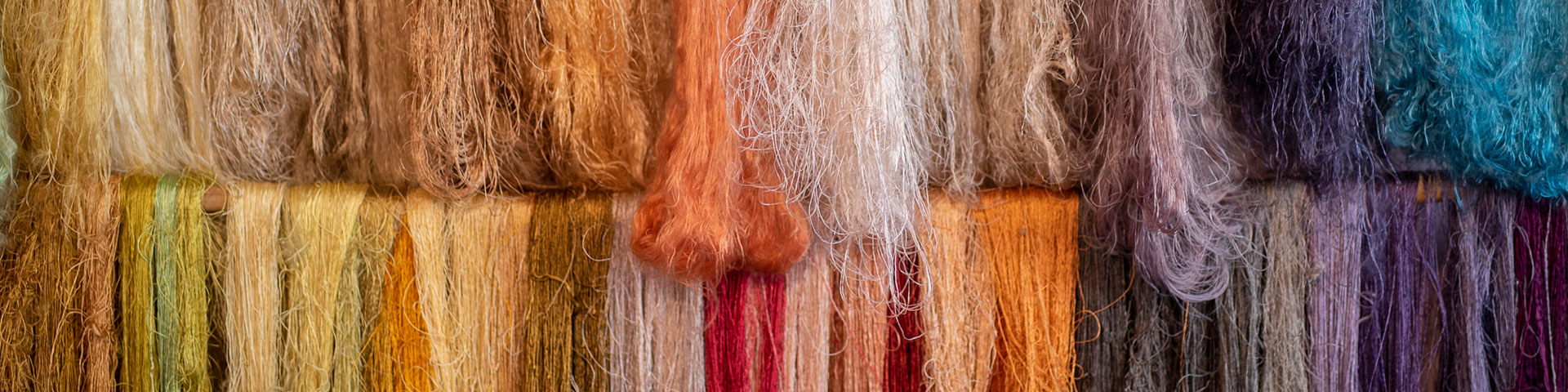
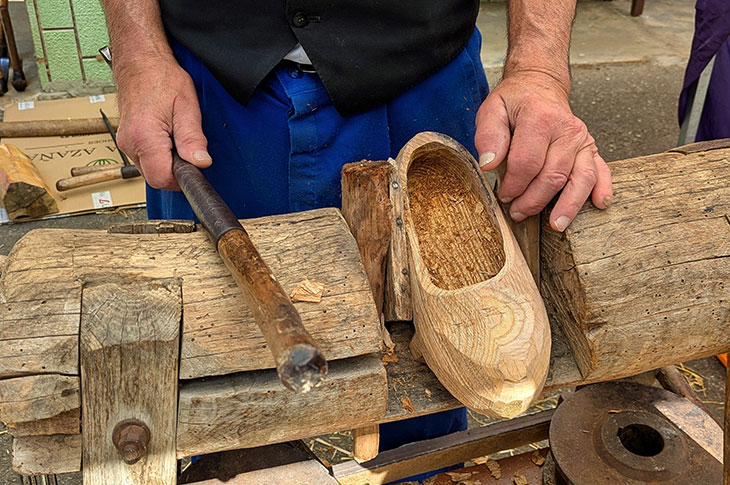
Another way to explore our country is by following in the footsteps of its traditional crafts. In every region, craftsmanship offers a means through which to understand the land: preserving memories, boosting the local economy, and captivating visitors with unique creations. La Palma’s silk, Mallorcan glass, Navarre’s wineskins, Asturian clogs, and Toledo’s damascening are more than souvenirs—they are living fragments of culture preserved through patience and skilled craftsmanship. Canary Islands, the vibrant thread of tradition In La Palma, craftsmanship is not a thing of the past but a vital force shaping the community. The Silk Museum in El Paso reveals an ancient craft, guiding visitors through every step—from silkworm breeding to spinning and weaving the fibers. In Villa de Mazo, embroidered textiles, ceramics, and wicker and palm basketry are showcased at markets, with each piece carrying the unique signature of its maker. Balearic Islands, design with deep roots Palma de Mallorca is a creative hub continuously reinventing its traditions. Amid the workshops of Santa Catalina and the narrow lanes of the old town, basket weavers, glassmakers, and shoemakers perpetuate centuries-old techniques. The likes of Mimbrería Vidal, in operation since 1925, and Vitrales Fiol, masters of leaded glass, exemplify the fusion of traditional craftsmanship and contemporary design. Their displays bring together the beauty of handcrafted art with sustainability and the Mediterranean style unique to the island. Asturias, the wooden clog as a symbol of rural heritage The madrena, traditional hand-carved wooden clog, has become one of the most iconic symbols of Asturian heritage and a proud emblem of its rural identity. Through markets, ethnographic museums, and fairs, it offers a glimpse into its craftsmanship and practical use in Asturias’s damp, mountainous landscape. A handful artisans keep this tradition alive today by opening their workshops to share not only the techniques and tools employed, but also a work ethic deeply connected to the surrounding landscape.
Navarre, the most authentic wineskin In Pamplona, the family-run Las Tres ZZZ workshop has been preserving the tradition of crafting hand-stitched wineskins since 1873—made from goat leather according to a process that takes several weeks. Now transformed into a cultural symbol and exported worldwide, these pieces capture the flavor of the wine and embody a craft passed down through generations. Castile-La Mancha and timeless craftsmanship In Toledo, a UNESCO World Heritage City, craftsmanship can be felt around every corner. The master damasceners inlay gold and silver onto steel; bladesmiths forge steel renowned around the globe; cabinetmakers meticulously carve bargueño desks; and potters produce ceramics with their metallic sheen. By exploring these workshops, visitors will understand how this city not only preserves its history but actively shapes it on a daily basis, perpetuating a tradition that continues to captivate the world.