
Spain, a gateway to the underwater world for beginner diving
Inspiring destinations for a safe, guided first dive full of marine life
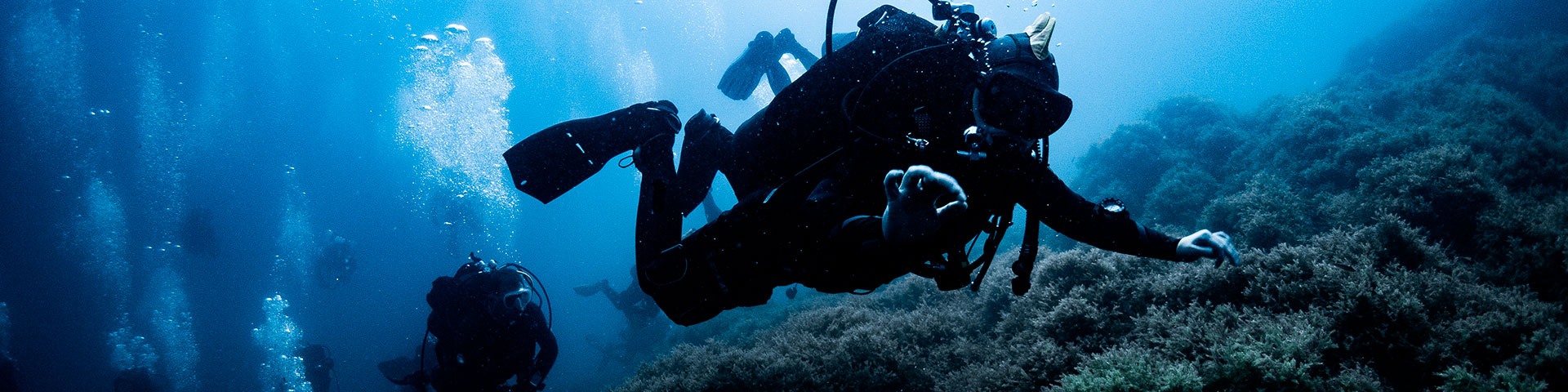
Spain has become established as one of the most popular destinations for beginner diving thanks to its marine reserves, the diversity of its underwater ecosystems, and the professionalism of centers that accompany each first dive, combining theoretical training, monitored activities, and guided exploration. From crystal-clear waters to volcanic landscapes or protected sites, the country offers ideal settings to enjoy a safe, exciting debut up close to nature. Interest in learning to dive has grown significantly in recent years, thanks to travelers seeking active experiences and a deeper connection with the marine environment. The diving baptism has become the main gateway to this underwater universe: a combination of basic theory, equipment training, and a guided dive that allows you to experience the sensation of breathing underwater and observe marine life from a different perspective. One of the most highly recommended places to begin is Les Bassetes Bay, located between Calpe and Benissa, in the province of Alicante. This setting boasts calm waters and great visibility, where beginners learn essential techniques before undertaking their first supervised dive. The landscape, with the Peñón de Ifach as a backdrop, enhances the appeal of an area suitable for gaining confidence underwater. The Cabo de Gata-Níjar Natural Park, in Almeria, offers a highly unique volcanic setting where posidonia meadows, caves, and rocky formations accompany a safe and memorable first dive.
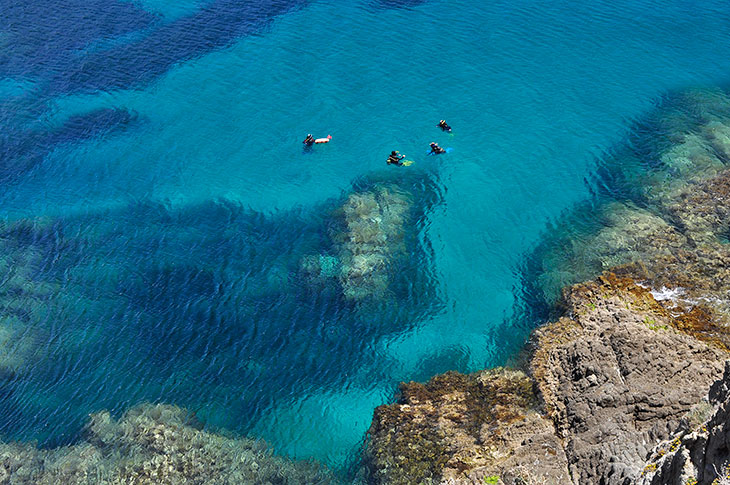
In the Strait Natural Park, in Cadiz, the marine environment of Tarifa combines protected areas with remarkable biological richness. The frequent presence of groupers, eagle rays, sunfish, and coral colonies creates an attractive setting for first dives in the Mediterranean, always under the supervision of accredited instructors. The Cabo de Palos and Islas Hormigas Marine Reserve, in the Region of Murcia, is one of the leading diving points in Europe. Its posidonia meadows, rocky walls, and high biodiversity make this spot a suitable destination for beginner diving, with progressive programs beginning in shallow waters before advancing to more open areas. The Northern Marine Reserve, in Menorca, offers a protected environment with shallow caves, calm waters and rich biodiversity, ideal for learning basic open-water techniques. In Calvià (Mallorca), the proximity to the Malgrats Islands Marine Reserve adds a biodiversity component that makes each debut a relaxed and nuanced experience. In Costa Adeje, in the south of Tenerife, the stable water temperature and good visibility make it possible to dive all through the year. Moray eels, turtles, cuttlefish, and a wide variety of fish inhabit the volcanic formations of the area, making the first dive an accessible and visually impressive experience.
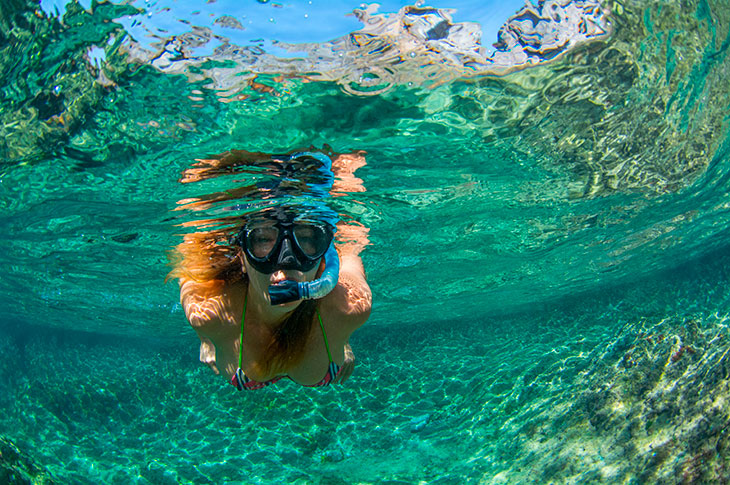
In L’Ametlla de Mar, in the province of Tarragona, beginners will find an area of calm coves and well-lit seabeds, offering an opportunity to become familiar with the equipment. In the Atlantic, Finisterre, in the province of A Coruña, offers a particularly scenic debut, thanks to its rocky formations, seaweed forests, and a setting where nature and history blend seamlessly. In the Cantabrian Sea, Mouro Island, off the coast of Santander, provides the opportunity to discover a protected ecosystem that amazes with the richness of its marine life and the quality of its waters.