
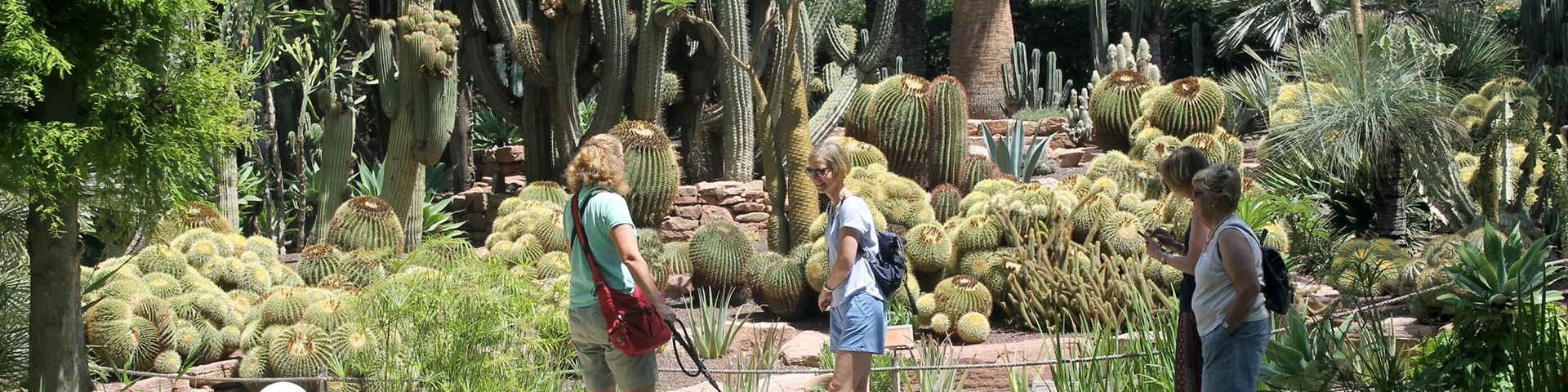
From the Huerto del Cura to the Alhambra: a journey through Spain’s historic gardens
Palm groves, manor houses, estates and Mediterranean gardens map out a cultural itinerary for exploring Spain
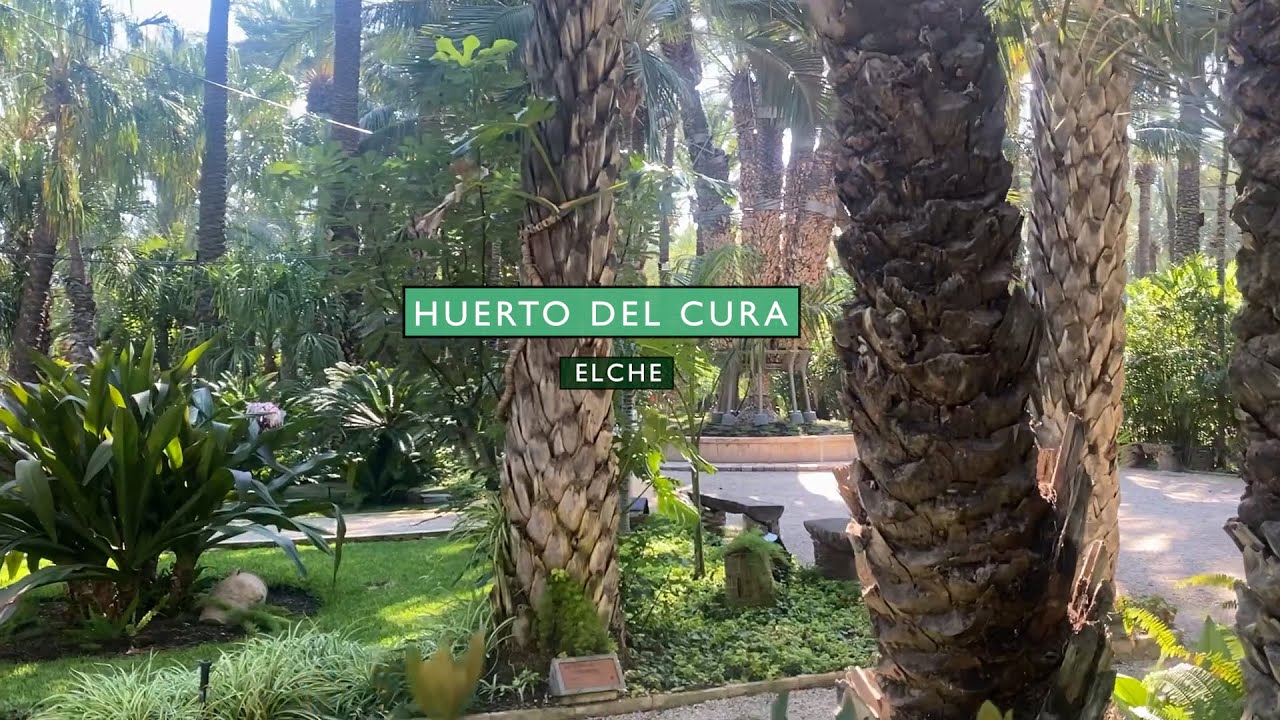
The inclusion of Elche’s Huerto del Cura in the European Route of Historic Gardens reinforces the Spanish presence in this network, which is certified as a Cultural Route of the Council of Europe since 2020. To roam its gardens is to see Spain from a different perspective, through spaces where nature is part of history itself. The beauty of the landscape and its botanical wealth accompany visitors on a journey that merges the pleasure of a stroll with the discovery of heritage. A historic garden is not merely a botanical collection or an ornamental backdrop. The Florence Charter understands it as an architectural and vegetal composition of public interest, while Spanish legislation underscores its status as a space organized by humans and valued for its history or aesthetic merits. The fusion of nature, design and memory explains the impact of an itinerary that invites travellers to take a deeper look at the landscape. The Huerto del Cura adds an unmistakable identity to this map. Situated inside the Palm Grove of Elche, it hosts nearly 1,000 palm trees of over 85 varieties and features the Imperial Palm Tree as its most famous specimen. This tree’s historical trajectory is linked to figures such as Empress Elisabeth of Austria, known as Sisi, and Archduke Ludwig Salvator of Austria-Tuscany. Declared a National Artistic Garden in 1943, its inclusion in this European network expands the opportunities for cooperation, research, conservation and the promotion of sustainable cultural tourism.
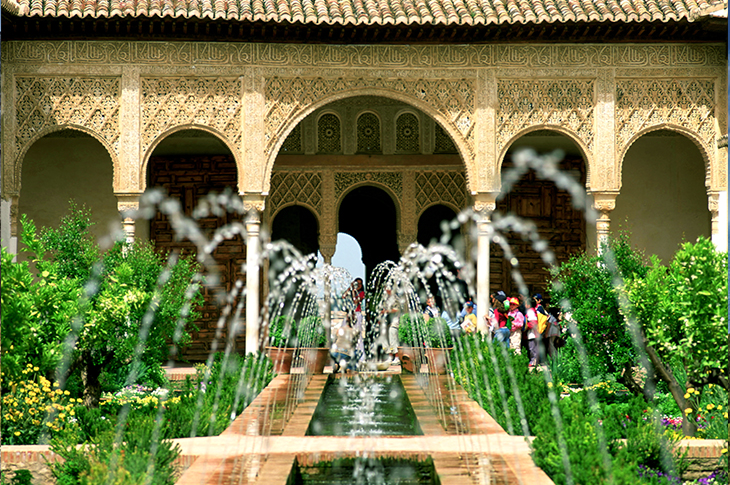
With Elche as a starting point, the itinerary offers a Mediterranean arc of highly diverse profiles. In Cambrils, Parc Samà unfolds across 14 hectares of historic garden, where romantic landscaping and the evocation of colonial Cuba construct a one-of-a-kind atmosphere. In Lloret de Mar, the Santa Clotilde Gardens transform the cliff edge into a succession of terraces, stairways, ramps, viewpoints and visual axes where the sea becomes an integral element of the overall composition. Mallorca boasts the Raixa Estate, in Bunyola, where an Italian-inspired villa, gardens structured in terraces, the prominent role of water and the landscape of the Sierra de Tramuntana create an experience deeply rooted in the Mediterranean. In Granada, the Gardens of the Alhambra and Generalife take the relationship between vegetation, architecture and water to another dimension, linking spaces from different eras through patios, orchards, aromas and perspectives.
Galicia features one of the most extensive chapters of the tour of Spain. The Soutomaior Castle, the Alameda Park in Santiago de Compostela, the Pazo de Lourizán, Pazo de Mariñán, Pazo de Oca, Pazo de Rubianes, Pazo Quinteiro da Cruz, Quiñones de León Manor Museum and Pazo Faramello portray a geography in which gardens, stately architecture, forests and botanical collections intertwine. The camellia emerges as one of its main leitmotifs. Each “pazo” or manor house offers its own scenery. Oca unites Baroque tradition, formal design, ponds and the constant presence of water; Rubianes brings together over 800 varieties of camellias and a remarkable arboreal heritage; Quinteiro da Cruz boasts around 2,000 camellia specimens from over 600 cultivars along with vineyards, a tea plantation and rural heritage; Mariñán structures its gardens into three areas – ornamental, horticultural and woodland; and Faramello links terraced gardens, forests, water and industrial memory along the Tinto River. The route allows visitors to move between the verticality of Elche's palm trees and the geometry of palace gardens, between the marine horizon of Santa Clotilde and the lush vegetation of Galician manor houses. These experiences vary with each territory and each garden: water constructs perspectives, architecture converses with vegetation and the seasons modify colours, fragrances and ways to explore these spaces in which landscape and history remain closely intertwined.