
Natural Spain: biodiversity, landscape, and starry skies
A journey through protected areas where nature, conservation, and territory converge
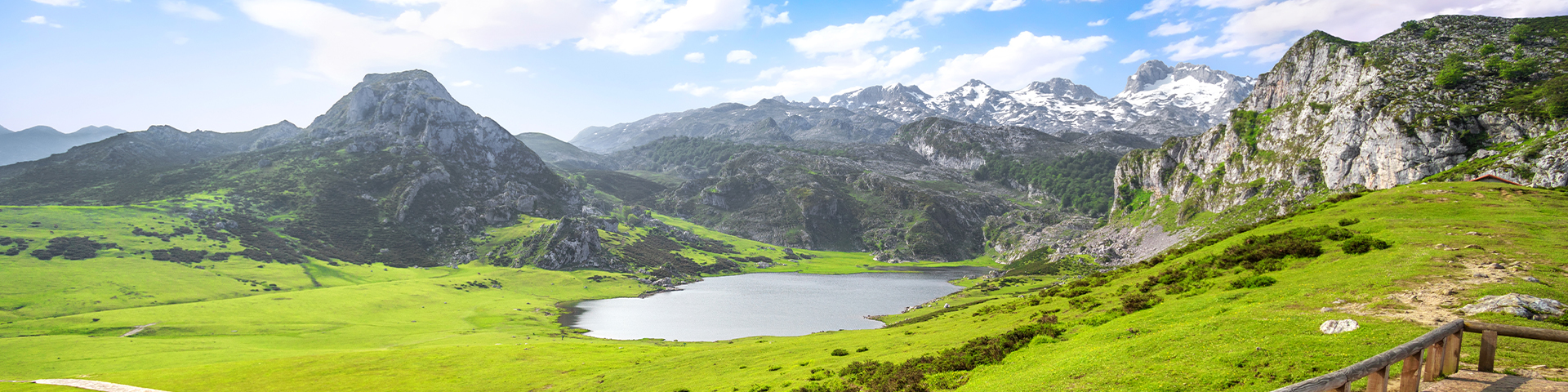
Beyond the most traveled routes, Spain unfolds a network of protected landscapes, geoparks, Biosphere Reserves, Natura 2000 Network sites, and Starlight destinations that invite visitors to look at the territory on a different scale: places where traveling means understanding, preserving, and participating more consciously in the discovery of the country. In these places, the journey becomes an experience of deep connection with the landscapes: walking through Atlantic forests, volcanoes, wetlands, mountains, pastures, or coastal areas; interpreting the planet’s geological history; observing birds, endemic flora, and iconic wildlife; and engaging with rural communities that have made conservation a path to the future. More than 36% of Spain’s land area and 12.3% of its marine area are protected, in addition to 16 national parks, 291 nature reserves, 363 natural monuments, 153 natural parks, 63 protected landscapes, two marine protected areas, and more than 900 sites with other designations established by the autonomous communities. This natural wealth has an especially powerful international dimension. Spain has 55 Biosphere Reserves recognized by UNESCO, spread across 16 autonomous communities, four of which are transboundary. These are places designed to be living laboratories of sustainability, where biodiversity conservation coexists with human activity, local culture, and new models of development.
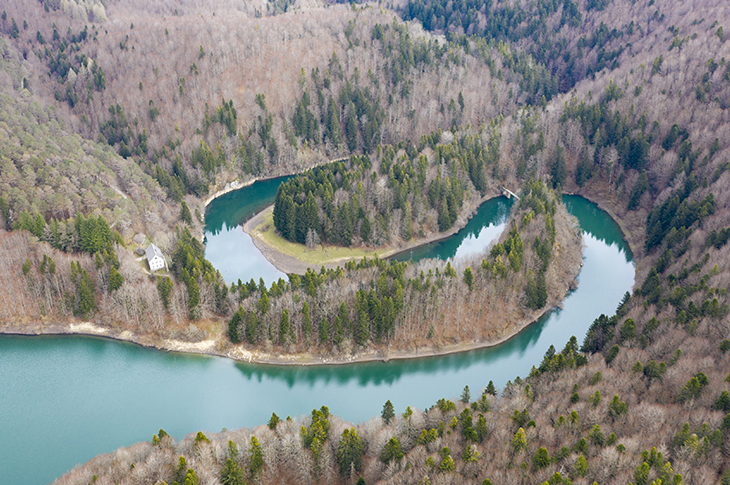
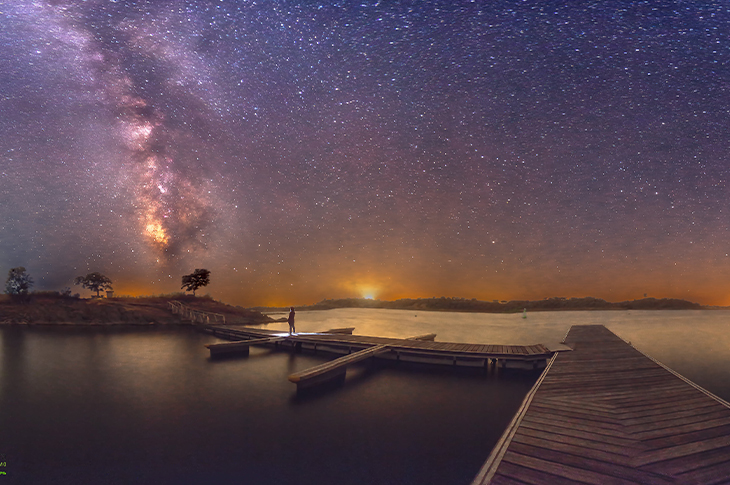
In addition to these are geoparks, places where the landscape tells the story of the Earth and transforms geology into a tourist, educational, and sensory experience. Spain has 18 UNESCO Global Geoparks and ranks among the countries with the highest number of designations in this network, a position that reinforces its role in geotourism and in destinations that transform the natural heritage into stories, knowledge, and local development. The Natura 2000 Network strengthens the biodiversity map. In Spain, it consists of 1,468 Sites of Community Importance and 662 Special Protection Areas for Birds, covering a combined area of over 222,000 square kilometers. Its role is not only to protect species and habitats but also to guarantee the survival of the ecosystems that make Spain one of the most biodiverse countries in Europe. Nights adds another dimension to the experience. Spain is establishing itself as one of Europe's leading destinations for astrotourism, with more than 60 Starlight tourist destinations and more than twenty Starlight reserves, recognized for the quality of their night skies and for offering unbeatable conditions for stargazing. Sleeping under clear skies, visiting stellar viewpoints, or participating in guided astronomy activities opens a pathway to sustainable tourism that is especially valuable for reducing seasonality in demand and diversifying rural economies.
The journey is also structured around itineraries that combine nature, slow travel, and the local landscape. The Spanish Network of Nature Trails includes 130 trails and more than 10,800 kilometers across all the autonomous communities, many of which follow old infrastructure that has been restored for low-impact recreational use. These trails invite visitors to explore the country on foot or by bicycle, linking natural spaces, villages, cultural heritage, and local gastronomy. At the same time, Spanish ecotourism is moving toward a more structured, recognizable model. Numerous natural areas have been awarded the European Charter for Sustainable Tourism, while initiatives such as Soy Ecoturista bring together destinations and experiences in Biosphere Reserves, national and natural parks, geoparks, and sites in the Natura 2000 Network that meet environmental and social requirements. Natural Spain presents itself to the international visitor not only as a collection of unique landscapes but also as an invitation to travel with greater calm, deeper knowledge, and a stronger bond with the places visited. A country where nature is presented as a transformative experience, where every journey can hide a form of learning, and where every visit helps keep alive the areas that make Spain one of Europe’s premier nature destinations.