
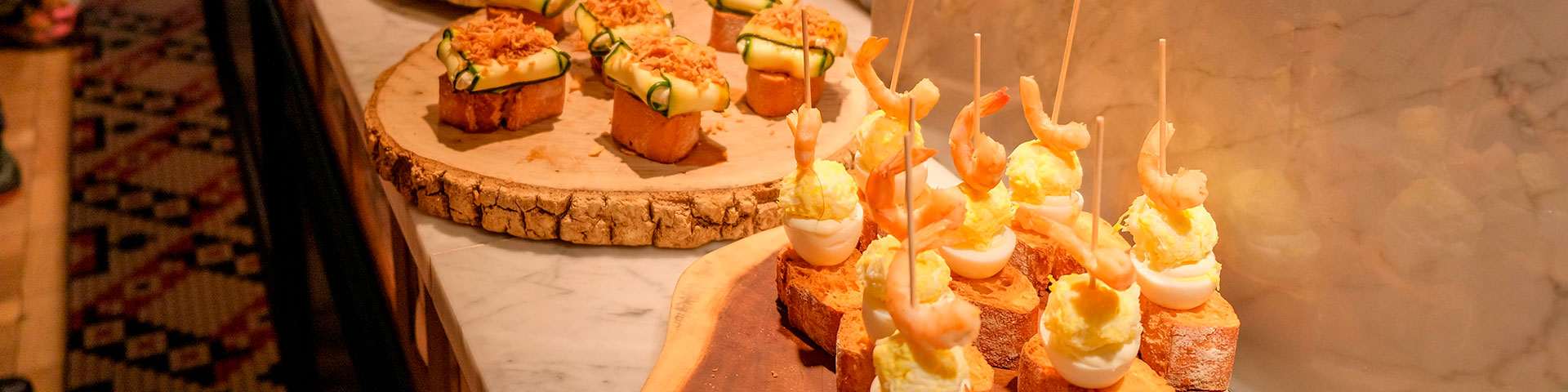
The tapa, ambassador of Spanish culinary tourism on World Tapas Day
A gastronomic tradition in Spain that transforms neighborhoods and cities into vibrant culinary routes
On June 16, Spain celebrates World Tapas Day, an event that highlights one of the most recognizable symbols of its gastronomy and one of the most cherished culinary experiences by travelers. The event invites attendees to explore bars and taverns to discover the diversity of tapeo: a tradition that combines creativity, local products, and socializing, becoming a powerful attraction for international gastronomic tourism. The tapa is much more than an appetizer; it offers up a way of experiencing gastronomy that fuses cuisine, territory, and socializing. This small portion of food served to accompany drinks has established itself as an authentic culinary benchmark and one of the main draws for gastronomic tourism, which attracts millions of visitors each year, eager to discover the country's culture through its flavors. The richness of tapeo lies in its diversity. Each region has developed its own specialties reflecting the local culinary identity. From simpler preparations to more complex recipes, the variety on offer turns each bar crawl into a unique experience. In Valencia, for example, tapeo is centered around locally sourced products, with offerings such as clóchina mussels, esgarraet salads, or the seafood titaina, summarizing the connection between the orchards and the Mediterranean and providing a complete meal made up of small bites.
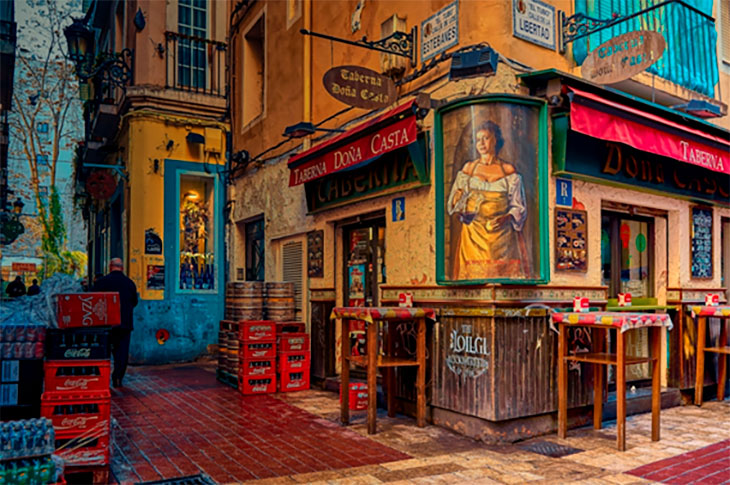
This gastronomic ritual is especially vibrant in certain neighborhoods and streets that have become true (and indispensable) culinary routes. In Zaragoza, El Tubo reveals a network of narrow streets such as Estébanes, Libertad, or Mártires, where tapeo becomes a dynamic journey among traditional bars, gourmet offerings, and historic venues. This experience is based on alternating spaces and the coexistence of the classic and the contemporary. Ourense offers one of the most vibrant scenes in the northwest with Os Viños, the tapeo area that connects Plaza del Hierro with the Cathedral. Here, the tradition is maintained through the custom of moving from bar to bar with small orders, sharing pintxos, portions, and wines in a particularly lively atmosphere during the weekend. In the Old Town of San Sebastián, streets such as Pescadería or Fermín Calbetón are packed full of bars in which you can enjoy everything from the classic gilda skewer to more creative proposals. Meanwhile, Salamanca retains its own personality around the concept of “going for pinchos”, historically linked to the inclusion of a pincho (or tapa) with each drink. Though this practice has been evolving toward a more generalized tapas model, areas such as Plaza Mayor or Calle Van Dyck still bring together a wide range of bars offering both cold and hot creations that allow visitors to taste a great variety in a single route. What’s more, a number of other provinces have built their gastronomic reputation around tapas culture. In Granada, it is common for each drink to be accompanied by a free tapa, which is often generous and varied. In León, the Húmedo neighborhood stands out for its great number of bars and for the generous tapas that accompany each drink. In Logroño, the famous Calle Laurel brings together dozens of establishments in which each bar offers its specialty, from La Riojana potatoes to chuletillas al sarmiento (lamb rack). World Tapas Day reinforces this tradition and shares it internationally. On this day, various bars and restaurants organize special offerings, gastronomic tours, show-cooking displays, pairings, and activities that invite visitors to explore the territory through miniature cuisine. The initiative aims to spread tapas culture and highlight its role as a tourism driver. Touring bars, restaurants, and taverns while sampling a range of different specialties is also a great way to explore historic neighborhoods, markets, and squares where gastronomy intertwines with everyday life. It is one of the most authentic ways to understand Spanish culture, because in Spain tapas are not just tasted: they are shared and experienced.