
A family Christmas amidst Spain’s traditional customs
Carols, chocolate and cavalcades: a festive agenda for exploring Spain
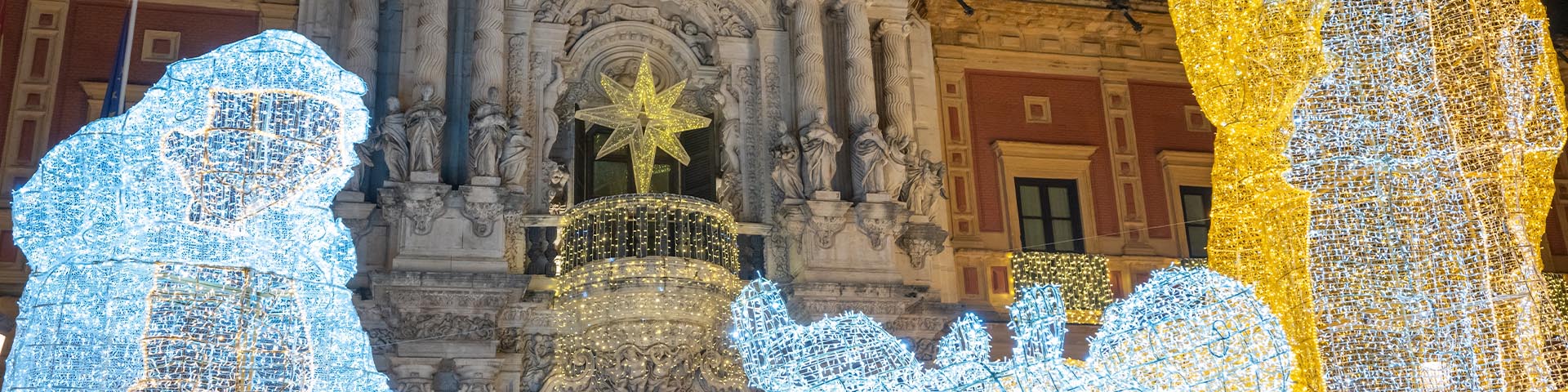
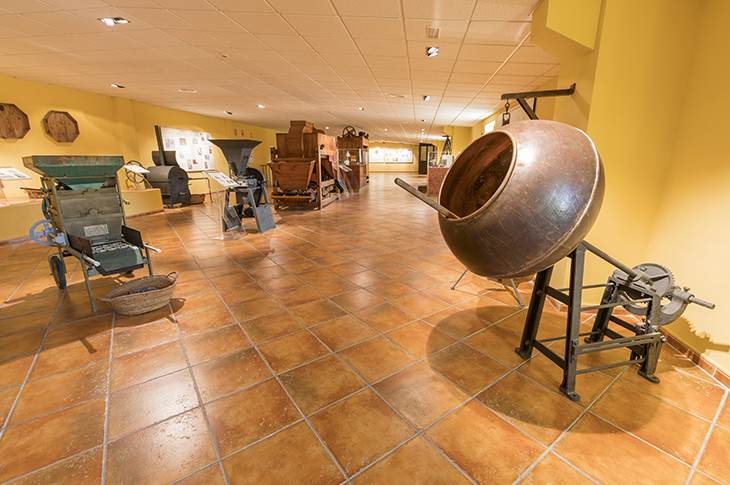
Christmas traditions offer a particularly appealing way to discover Spain as a family. At this time of the year, heritage comes alive through carols and celebrations, craftsmanship transforms chocolate into familiar scenes and the streets invite visitors to extend their strolls under garlands of lights. Between December and the first few days of January, each getaway can turn into an opportunity to share time and discover how these festivities are celebrated throughout different Spanish cities and villages. In Seville, living heritage can be found among songs and celebrations that fill the historic spaces with music and solemnity. On December 8th, the Baile de los Seises (Dance of the Sixes) marks the highlight of the Feast of the Immaculate Conception at the Cathedral. On Christmas Eve, groups of students or “tunas” sing before the monument to the Immaculate Conception at the Plaza del Triunfo, offering a chance to join the festive atmosphere. In Mallorca, the night of December 24th is uniquely represented by the Song of the Sibyl, a chant included by UNESCO on its Intangible Cultural Heritage list in 2010. During the Christmas Eve Matins, a boy or girl walks through the church carrying a raised sword and accompanied by acolytes bearing candles. The melody of Gregorian origin and participation by the organ characterize this rite, giving travellers an experience that is intertwined with the island’s memory and identity. Visiting nativity scenes is another way to share traditions and awaken the curiosity of the little ones. In Rute (Córdoba), the surprise lies in the material itself: close to 1,500 kilos of chocolate. Master confectioners dedicate four months of artisan craftsmanship to the Chocolate Nativity Scene, recreating scenes from the life of Jesus, temples and characters, with a different theme each year and creativity that amazes young and old alike. In some rural villages of Girona, residents themselves become the protagonists of living nativity scenes that have been celebrated for over four decades. In Juanetas, the tour features nearly fifty scenes depicting traditional trades and rural work, alongside more than 40 farm animals that are a great hit with children. Meanwhile, in Báscara, a light and sound show sets the stage for a performance featuring more than 300 actors. The flavour of post-Christmas dinner gatherings also has a history waiting to be discovered. In Jijona, the Nougat Museum gives visitors a glimpse into the craft of creating nougat and marzipan with vintage machines, packaging and techniques before enjoying a tasting in the shop. In Madrid, Casa 1880 offers a self-guided route among the scents of almond blossoms, raw materials and tools that tell the story of this sweet delicacy. These two venues are the perfect way to indulge your senses while discovering industrial and culinary heritage.
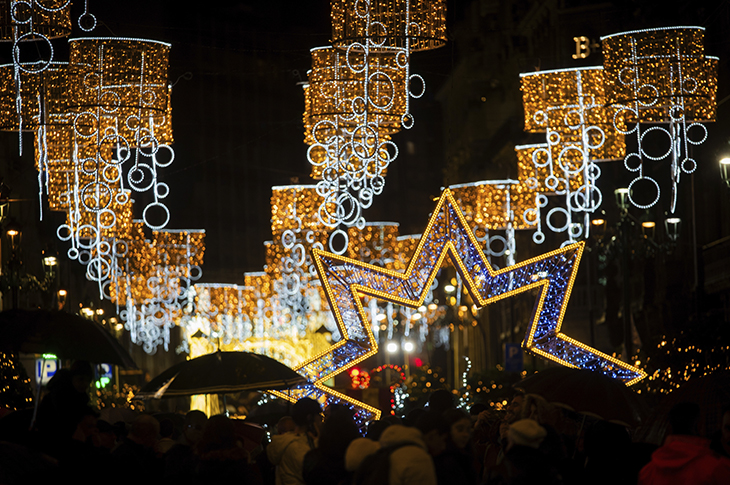
The famous holiday light displays complete the nocturnal transformation in cities like Madrid, Barcelona, Málaga or Vigo. In the latter, the 2026 Christmas setup will feature over 12 million LED lights distributed across roughly 500 streets, alongside thousands of ornamental motifs and illuminated trees. The markets, nativity scenes and strolls among Christmas decorations turn nighttime into an essential part of the experience.
Entering January, the wait for the Three Wise Men is particularly evocative in the city of Alcoy. The Three Kings Parade on January 5th has been held continuously since 1885 (the oldest of its kind in Spain) and is recognized as a Fiesta of National Tourist Interest. Les Pastoretes (the Little Shepherdesses), the Bando Real (Royal Proclamation) and the arrival of Melchior, Gaspar and Balthazar form a unique succession in which the pageboys or girls climb long staircases to balconies and windows to deliver gifts.