
Olive oil tourism: a journey to the heart of Spain’s olive oil
Olive oil tastings, scenic walks and guided tours unveil the rich culture of the olive tree from its own roots
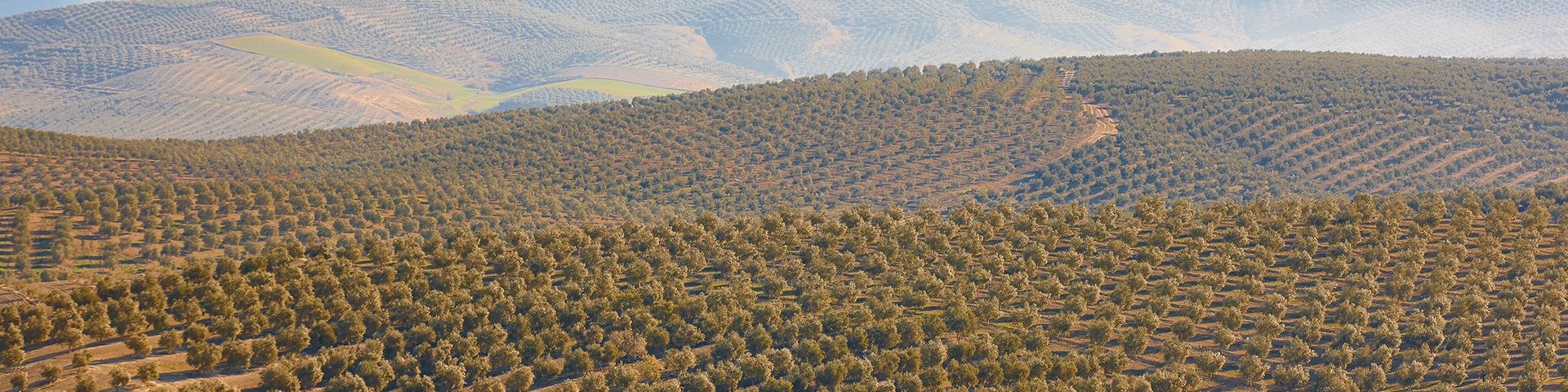
Olive oil tourism in Spain invites visitors to explore traditional olive mills, stroll through centuries-old groves and uncover how each variety, harvest and production method shapes the extra virgin olive oil (EVOO). This offering unfolds throughout the year, combining tastings, gastronomy, charming accommodation, wellness, heritage, legacy and nature in destinations where cultivation is woven into the landscape, memories and daily life. In olive-growing regions, the landscape becomes part of the story, as villages, estates and farmhouses showcase a vibrant agricultural culture that embraces tourism as a fresh way to connect with visitors. Visiting these places offers an intimate connection not only with the product but also with the people, traditions and seasonal rhythms that have shaped vast areas of Spain’s rural landscape for generations. The olive mills lie at the heart of this olive-oil tourism experience. Here, visitors trace the journey of the olive from arrival to oil storage, gaining insight into key factors such as olive variety, harvest timing, malaxation temperature and extraction methods. Museums and educational spaces offer a fascinating comparison between traditional techniques and cutting-edge technologies. The visit doesn’t end at the production line. Tastings, whether technical or introductory, train the senses to appreciate aromas, flavors and nuances, often paired with local delicacies. The experience expands with miller’s breakfasts, menus featuring diverse oils, cooking workshops, walks or horseback rides, tours among ancient olive trees and stays in charming rural accommodation options. Some experiences also include spa circuits, olive oil treatments and workshops for crafting soaps or creams.
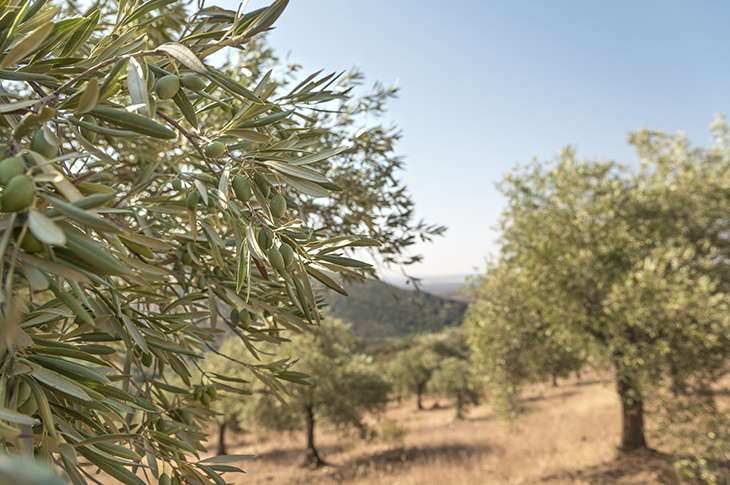
The seasonal calendar is a key part of the experience. Autumn, especially October and November, invites travelers to experience the harvest, fruit cleaning and bustling activity in the mill’s yard, with opportunities to take part in hand-picking. During winter, the focus moves indoors where olives are crushed, the resulting paste is mixed and the oil is separated and filtered, while in the fields, pruning, clearing and fertilizing take place. Spring brings the brief, delicate bloom of olive trees, transforming the plantations’ appearance and revealing a less visible phase of the agricultural cycle. In summer, when mill activity slows down, visits can focus on shaded tastings, picnics, strolls through the estates and activities scheduled during cooler hours. The geography broadens the possibilities, showing there is no single olive oil landscape. Jaén presents the largest olive grove landscape, boasting over 70 million trees, castles and a rich variety of mills and experiences connected to extra virgin olive oil. Córdoba combines rolling countryside, country estates, historic mills and villages steeped in olive oil tradition; Seville brings together haciendas, plantations and heritage sites; Granada boasts olive groves overlooking the Sierra Nevada; Huelva carries Atlantic influences; Badajoz and Cáceres blend meadows, vineyards, mills and native varieties; Ciudad Real adds its wetlands and La Mancha landscapes; while Tarragona links oil culture with the Mediterranean, vineyards and olive groves. This model also brings travelers closer to the authentic life of rural villages. The experiences enhance an understanding of agricultural work, deepen connections with producers and foster appreciation for traceability, freshness and quality. Direct contact with those who tend the olive groves and produce the oil offers insight into every decision, from tree care to preserving the final product. Many initiatives include topics such as sustainable agriculture, by-product reuse, efficient resource use, biodiversity and the circular economy. At the same time, they invigorate rural areas, diversify the income streams of oil mills and estates, and transform production facilities into welcoming spaces for education, gastronomy and hospitality.