
Medieval Spain across six destinations that still preserve their essence today
Suggestions for exploring castles, historic neighborhoods, and wineries across five regions
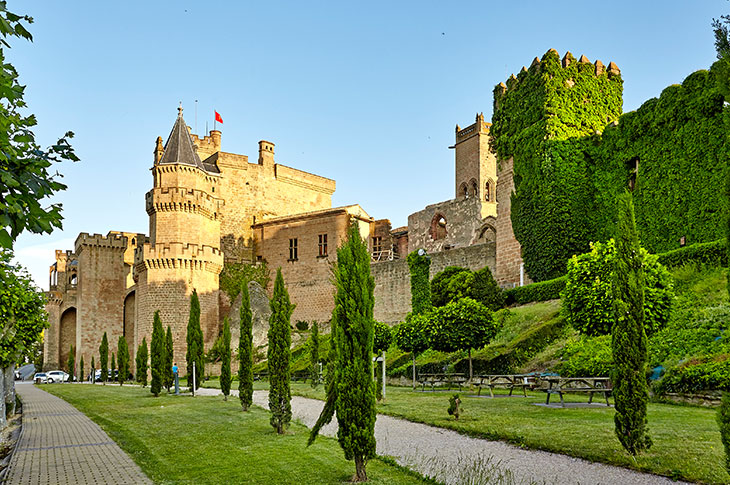
Spain boasts a network of spectacular fortresses where life unfolds amid centuries-old stones, bustling plazas, and local flavors that honor the past while embracing the present. This selection presents six destinations where heritage, landscapes, and culture perfectly integrate within easily accessible weekend itineraries. The experience includes castles, historic neighborhoods, and wineries, with activities that range from the chance to cross Romanesque bridges to raising a glass in centuries-old wine cellars. Frías, Castile and León. Perched atop a hill overlooking the Ebro River, this charming town invites visitors to enjoy leisurely strolls among its hanging houses and Velasco Castle. Its medieval bridge serves as the natural gateway to a compact village that has retained all its authentic scale and character. This visit combines scenic viewpoints, the parish church, and walks along narrow streets leading to the bustling Plaza Mayor. We recommend arriving early to savor the sunlight casting its reflections on the stones and enjoy a lunch made up of local delicacies before continuing your journey. Olite, Navarre. This destination showcases towers, galleries, and courtyards within its Royal Palace—a majestic complex that shapes visitors’ exploration and invites them to continue it with a wander through the old town. Its urban design encourages a leisurely discovery of doorways and arcades, alongside cafés and boutique shops that preserve its medieval charm. The cultural calendar extends the range of entertainment options on offer during the high season, while nearby wineries present the perfect opportunity to round off the day with wine tastings and purchases straight from the producer—the ideal souvenir for a wine lover.
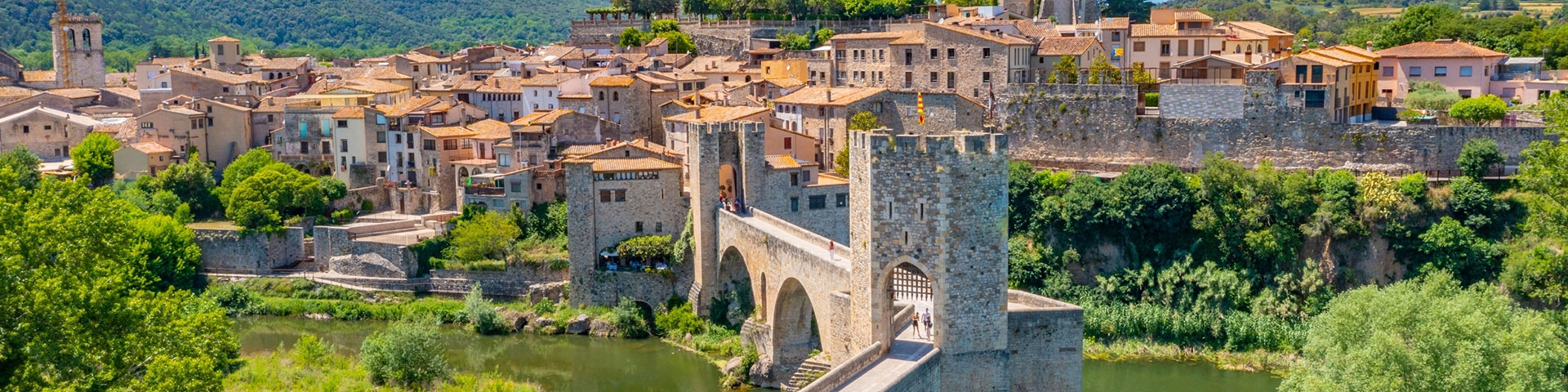
Besalú, Catalonia. Besalú’s iconic gateway comes in the form of its famous bridge over the Fluvià River, but this experience continues as visitors discover the urban fabric, the historic Jewish quarter, and its Romanesque churches. This route perfectly lends itself to short circular itineraries—ideal for families— while the local cuisine highlights regional produce and traditional pastries. A handy tip: book a guided tour to explore interpretive spaces and gain a deeper understanding of the site’s historical significance. Laguardia, Basque Country. Passing through its medieval gates, Laguardia unveils a walled old town that harmoniously coexists with the modern innovation of its wineries. The Santa María de los Reyes Church and the Abbot’s Tower stand as the central landmarks, while the underground caves echo the town’s longstanding winemaking heritage. This route blends heritage with scenery: just a short stroll leads visitors to vineyards offering breathtaking views of the Cantabrian Mountains. A perfect destination for those eager to pair architecture and history with exceptional wine tourism. Guadalest, Region of Valencia. Carved into the rock, Guadalest invites you to climb up to its fortress, followed by a stroll through charming whitewashed houses. The viewpoints reveal stunning panoramic vistas of the valley and reservoir, while the quaint themed museums add an intriguing touch—encouraging tourists to stay a little longer. This visit is especially rewarding on weekdays, when crowds are thinner and the atmosphere more tranquil. Finally, the local crafts and products on offer in authentic village shops perfectly round off this experience. Sigüenza, Castile-La Mancha. In the heart of Guadalajara province, the city has maintained the rich legacy of its famed medieval past. One of the first sights to captivate visitors is its imposing 12th-century castle, built atop an ancient Arab alcazaba—now a National Parador, recently reopened following extensive restoration work. From the Santa María Cathedral—a gem of Romanesque and Gothic architecture housing the Renaissance tomb of the Doncel of Sigüenza—to the Main Square, each and every corner is infused with history. Roast kid goat, migas, and the rich bizcocho borracho sponge cake capture the authentic flavors at the heart of Castilian identity.