
Segovia, a destination to experience history and spirituality
The city structures its offering around architecture, religious tradition, and guided experiences
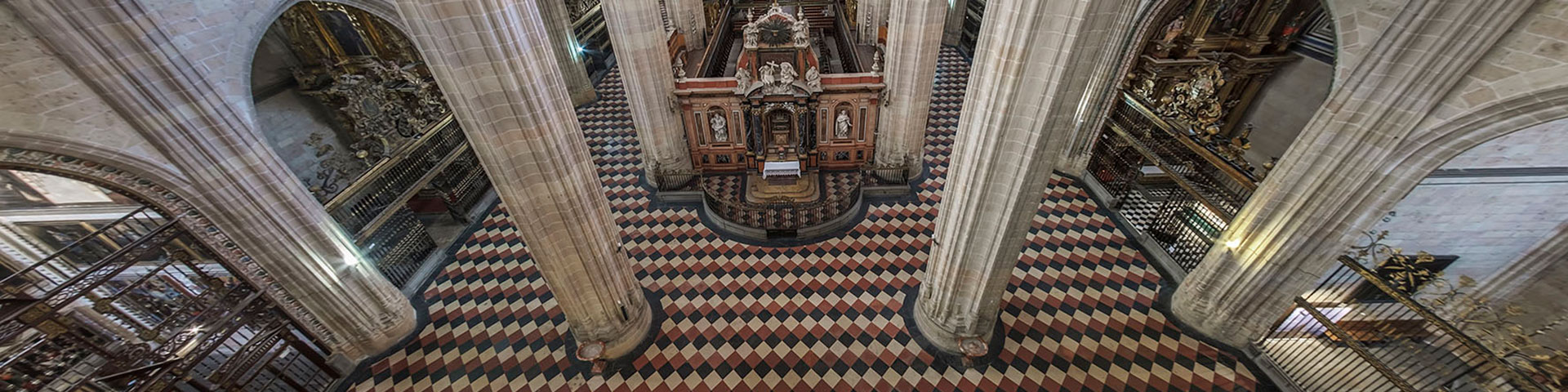
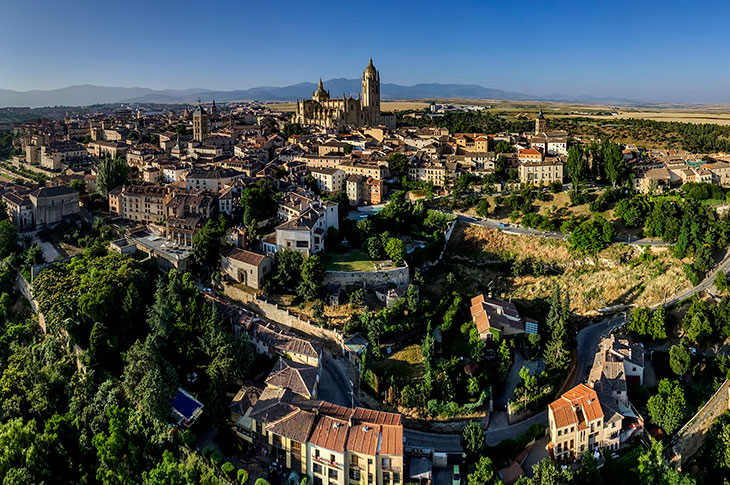
Segovia has consolidated itself as a leading destination in religious tourism thanks to its solid heritage and a structured offering that integrates architecture, history, and spirituality. From the cathedral to its Romanesque legacy, the city presents a route crossing temples, convents, and historic neighborhoods. In 2026, initiatives such as the Segovia con Alma program and commemorations dedicated to Saint John of the Cross, on the occasion of the third centenary of his canonization and the 100th anniversary of his declaration as Doctor of the Church, reinforce the city’s appeal. Segovia offers a coherent tourist proposal supported by the density and diversity of its religious heritage. The cathedral, built in the late-Gothic style from 1525 onward, emerges as the key icon of this legacy, while also organizing the tour through a historic center in which the presence of temples shapes the urban landscape. Meanwhile, all this is complemented by a remarkable Romanesque repertoire, with nearly thirty churches that place the city among the most noteworthy sites in Spain for fans of this style.
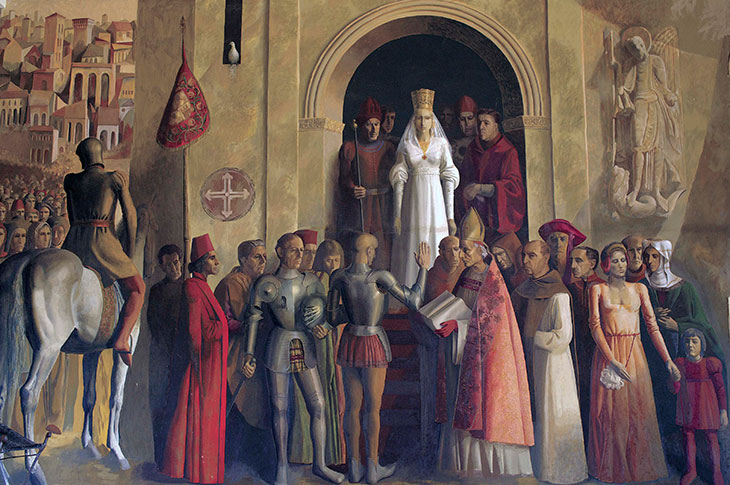
This heritage includes churches such as that of San Martín, which may originate from an earlier Mozarabic-tradition temple, declared a Site of Cultural Interest and considered a paradigm of Castilian Romanesque thanks to its unique triple atrium and rich sculptural decorations; or the San Esteban Church, whose tower has been recognized as one of the most beautiful examples in Romanesque architecture. This typological diversity is further expanded with ensembles like the San Antonio el Real monastery, in the Gothic-Mudéjar style, or the Corpus Christi Church, a former great synagogue. Here, the spiritual component manifests itself in the legacy of figures such as Saint Teresa of Jesus, who founded the Discalced Carmelites Convent in 1574, accompanied by Saint John of the Cross. To celebrate the saint’s Jubilee Year in 2026, the city is highlighting his close link with the local area, in which he lived for three years and carried out intense work that helped consolidate the Discalced Carmelite community. The route dedicated to Saint John of the Cross visits the main sites linked to his stay in the city. This journey connects key spaces such as the cathedral, the female Discalced Carmelites of Saint Joseph convent (within the walls), and other symbolic sites like the Garden of the Poets, reflecting the saint’s spiritual and literary legacy. The experience culminates at the Discalced Carmelites convent, beside the Eresma River, founded by this saint and home to his tomb, in a guided tour lasting approximately two hours.
Segovia con Alma, now in its 5th edition, allows visitors to discover the city through specific experiences linked to its spiritual and social history, including guided tours of unique spaces such as the San Juan de Dios Convent, founded in the 16th century; the Santo Domingo Cave, associated with the saint’s stay in 1219 and representing the origin of the Santa Cruz la Real Convent; or the La Fuencisla Sanctuary, a Baroque site housing the image of the city’s patron saint. These activities are complemented by themed routes, lectures, and cultural activities that delve into the historical, religious, and symbolic significance of the sites, especially in the context of the Jubilee Year of Saint John of the Cross in 2026. Participation in the activities may be free or paid, with a general fee of 15 euros per person—except in the case of free activities requiring prior registration. Accessibility conditions vary depending on the sites; some areas may not be suitable for those with reduced mobility. Tour reservations and bookings are managed through the official website.
Location
Segovia is located in the center of Spain, in Castile and León, about 55 miles northwest of Madrid. It is connected via the AP–61 highway, which links to the AP–6. It enjoys rail transport links thanks to a high-speed train station (Segovia–Guiomar) with connections to Madrid. The nearest airport is Madrid–Barajas. There is no nearby seaport.
Further information
Tickets for Segovia con Alma can be purchased at tickets.turismodesegovia.com or at centers managed by Turismo de Segovia. For more information, write to reservas@turismodesegovia.com. Segovia Cathedral offers both self-guided and guided tours that include the temple and the Episcopal Palace, as well as specific experiences such as climbing the tower or themed routes. Prices start from a general admission fee of around 4 euros, with differentiated prices for special tours and discounts for those with disabilities and groups (+20 people). Extended and nighttime options are also available, with higher costs depending on the experience and duration of the tour.