

The Region of Valencia raises its status as a European MICE destination
The destination combines infrastructure, business networks, and territory-linked experiences to attract professional meetings.
The Region of Valencia has consolidated a MICE-tourism proposal that goes beyond event organization to become a comprehensive experience, in which operational capacity, professional networks, and a carefully curated complementary offering shape a competitive and versatile destination. Here, conferences, conventions, and incentives find a balance between efficiency, creativity, and the Mediterranean lifestyle, with an increasingly clear orientation toward sustainability and creating lasting value. The destination's international promotion is supported by sustained growth within the conference and meetings circuit, with an increasingly prominent presence in professional forums. Valencia serves as one of its main hubs of attraction, having established itself among the most valued European destinations for the hosting of international meetings and one of Spain's leading conference locations. This positioning relies on high-capacity and versatile infrastructure. Venues such as Feria Valencia, a leading name in organizing fairs, conferences, and conventions, facilitate the hosting of large-scale events, while the Valencia Conference Center has made a name for itself as a site linked to innovation and sustainability. In this area, initiatives such as Zentropy MICE chart a path of evolution toward events designed to minimize their environmental impact and generate long-term social, cultural, and economic benefits.

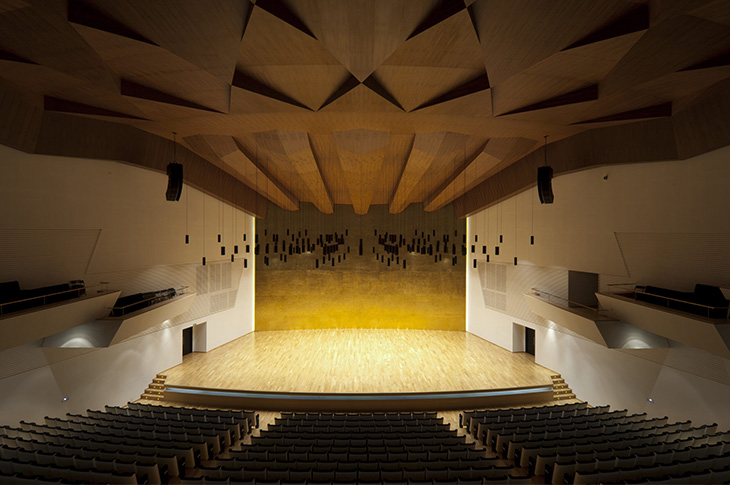
In the north, Castellón de la Plana is advancing in the same direction through a structured strategy that places conference tourism among its priority projects. The new Strategic Tourism Plan, developed together with the Jaime I University, aims to position the city as a competitive destination for meetings and events, integrating the MICE segment within a broader vision of tourism development. The dynamism of this segment also extends to the south. Alicante is strengthening its role as a MICE destination with sustained activity in conferences and corporate events, and with increasing penetration into international markets, demonstrating its appeal beyond the national scope. The city has also continued to expand its capacity with plans to build a new conference center in the port area, envisioned as a future driver of business tourism and a key element in consolidating its positioning in the medium term.
The strength of this project is supported by a specialized business network. MICE Comunitat Valenciana groups together companies specialized in organizing conventions, conferences, incentives, and corporate events, capable of creating comprehensive proposals that range from production and communication to protocol services. This network is complemented by the accommodation capacity of HOSBEC Business, which organizes a wide range of establishments and spaces prepared to host meetings and professional gatherings throughout the region. Beyond logistics, the Region of Valencia also stands out for its ability to transform events into memorable experiences. Gastronomy becomes a central pillar through paella workshops or team cooking activities that foster group cohesion. What’s more, a range of proposals connect with the local lands, such as visits to historic sites like Guadalest, tours through natural spaces like Sierra Helada, or cycle-tourism routes through vineyards, wineries, and Mediterranean landscapes. A combination that turns every meeting into an opportunity to discover, share, and generate value beyond the event itself.
Location
The Region of Valencia is located in eastern Spain, on the Mediterranean coast, between Catalonia, Aragon, Castile–La Mancha, and Murcia. Its main access routes are the AP–7, A–7, and A–3 highways; the airports of Valencia, Alicante–Elche Miguel Hernández, and Castellón; the ports of Valencia, Alicante, and Castellón; and high-speed rail stations in the cities of Valencia, Alicante, and Castellón.