
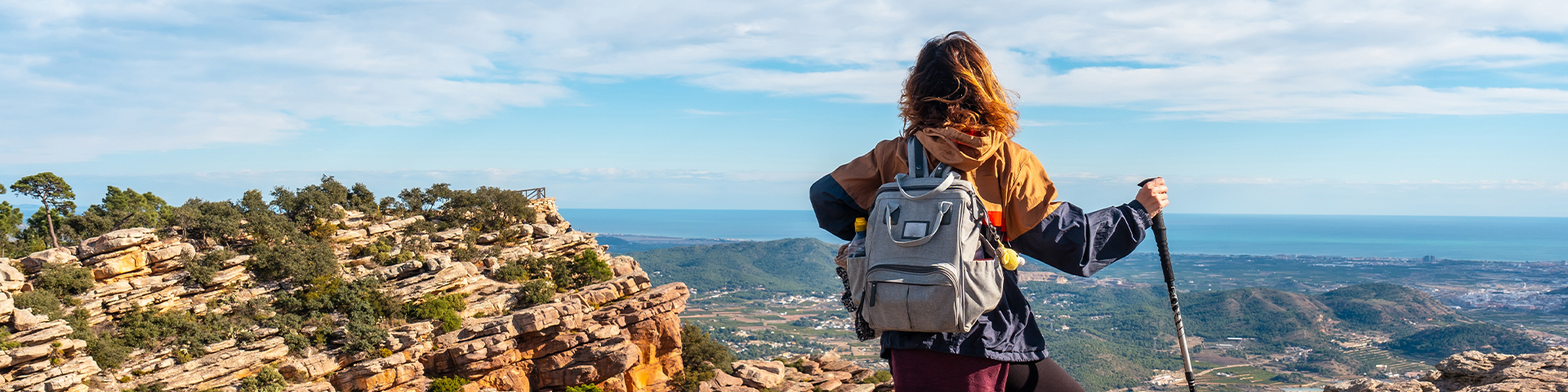
Active tourism to experience the Region of Valencia
Hiking, cycling, climbing, and the sea come together in a diverse natural offer
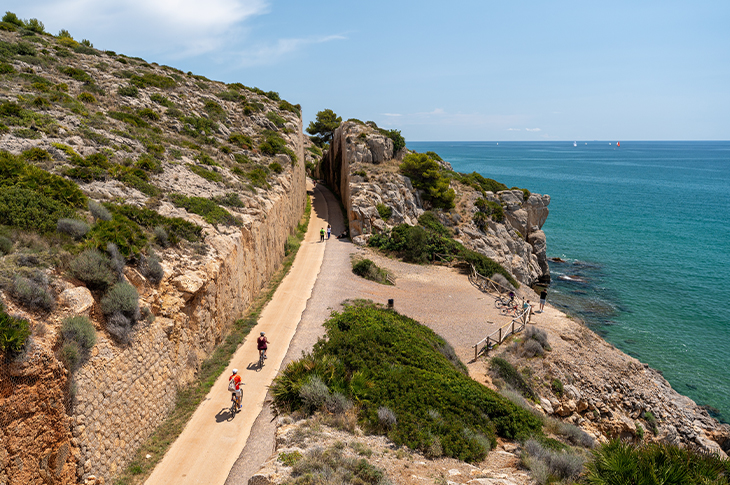
The Region of Valencia is establishing itself as a prime setting for active tourism thanks to the combination of the Mediterranean climate, varied landscapes, and an extensive network of specialized professionals, allowing visitors to enjoy nature in a dynamic, safe, and immersive way. Between mountains, reservoirs, coasts, natural parks, and old railway lines, the destination offers getaways for walking, cycling, climbing, paddling, diving, or simply connecting with the surroundings from a more leisurely perspective. The Valencian region offers a comprehensive interpretation of the interior and coastal Mediterranean. Within a short distance, coastal plains, gentle hills, abrupt mountain ranges, wetlands, riparian forests, and protected natural areas coexist, offering a wide range of activities year-round. This diversity of habitats, combined with a mild average temperature, makes it ideal for activities designed for families, groups, and outdoor sports enthusiasts. Hiking is one of the great gateways to this geography. The Region of Valencia has more than 5,000 kilometers of certified trails and a network that includes long and short routes, as well as local paths. Some routes overlook the sea from cliffs, others cross inland landscapes, and many allow visitors to explore natural and cultural heritage at their own pace. The Chelva Water Route and adapted walks through the Sierra Calderona reinforce the accessibility of this offer. On two wheels, the destination offers Greenways, rural paths, and mountain bike hubs. The Sea Greenway, between the towns of Benicasim and Oropesa del Mar, has turned old railway tracks into cycling routes beside the Mediterranean Sea, while Benidorm, the Serra Gelada Natural Park, and the Puigcampana and Ponotx Protected Landscape offer more demanding routes for those seeking intensity and scenic beauty.
The mountain adds a sense of vertigo and excitement to the narrative. Chulilla, Montanejos, and Sella are among the top areas for climbing, along with sites where ferrata routes, canyoning, and mountain races are also available. In Castellón, Onda is as an ideal setting for canyoning, while Oropesa del Mar offers activities related to the sea and wind. Water completes the active experience. The Cabriel River, in Venta del Moro, offers rafting in a setting full of character; the Valencia Marina includes nautical proposals, including inclusive activities such as adapted paddle surfing, while the coast of Alicante opens up various options for diving, snorkeling, coasteering, sea kayaking and underwater experiences in the towns of Santa Pola and Torrevieja.

There are also options designed for sharing. The L’Alcora and Benagéber reservoirs offer kayaking outings and multi-adventure circuits for families and groups, while birdwatching is available in protected areas, with more than 300 species in the Region of Valencia. The result is an active, versatile offer connected with the landscape, able to transform the getaway into a vibrant Mediterranean experience.
Location
The Region of Valencia is located in the east of Spain, on the Mediterranean coast, and comprises the provinces of Castellón, Valencia, and Alicante. Its main access points are the AP–7 motorway, the high-speed train routes to Valencia, Alicante, and Castellón, the airports of Valencia, Alicante-Elche, and Castellón, and the ports of Valencia, Alicante, and Dénia.