The Quintas of Madrid: green routes among manor houses and almond trees
Torre Arias and Los Molinos, two historic estates transformed into parks that reveal Madrid’s most natural and surprising side
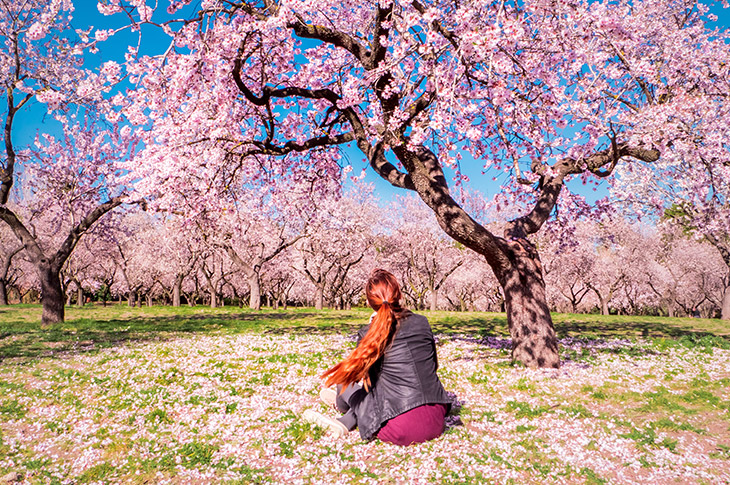
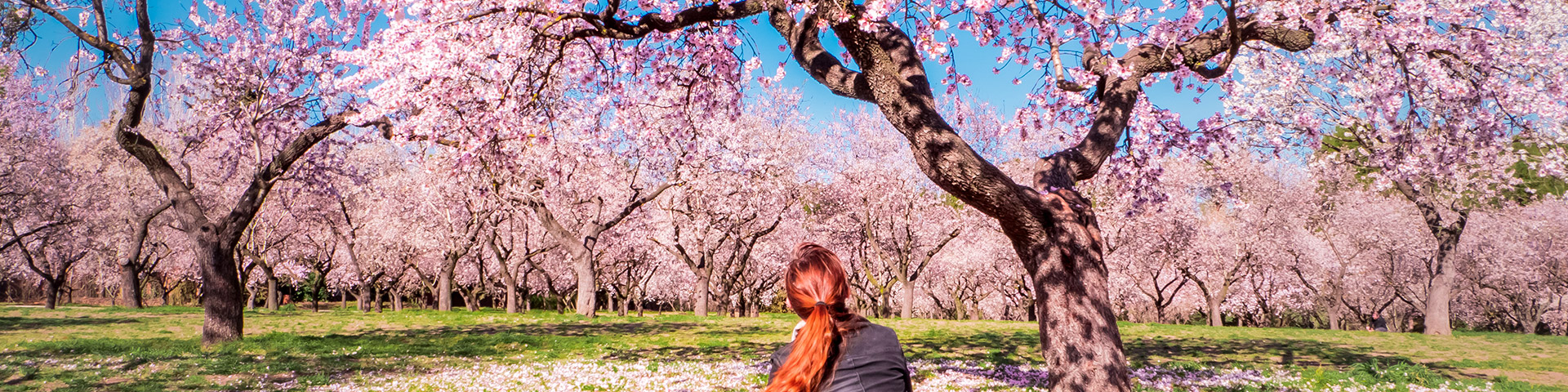
Not far from the center of Madrid and easily accessible by public transport, the Quintas (country estates) of Torre Arias and Los Molinos form a surprising route through the capital’s history and nature. As former recreational estates transformed into urban parks, they allow visitors to stroll among manor houses, vineyards, historic gardens, orchards, and even the blossoming almond trees. This route, part of the Te faltan calles campaign, invites tourists to discover a greener, more intimate, and lesser-known side to the city. In the San Blas-Canillejas neighborhood to the east of Madrid, two green spaces of great historical and scenic value await all those looking to venture beyond the usual tourist circuits. There, they’ll find the Quinta de Torre Arias and the Quinta de los Molinos, aristocratic country estates converted into parks that bring together heritage, flora, and a peaceful atmosphere. The Quinta de Torre Arias still retains traces of its noble past today, with a 16th-century palace, old stables, a cellar, and picturesque buildings like the Chief Gardener’s House and the Guard’s House in the vineyard. Converted into an 18-hectare park, this estate is home to hundred-year-old iron and glass greenhouses, a rustic little house alongside a stream, pergolas, conservatories, and agricultural buildings such as the slaughterhouse and the cowshed. Its century-old trees, including an oak tree dating back over 300 years, its orchards, and vineyards make it a natural oasis in the heart of the city. Just a few feet away, cross the Entrequintas Footbridge to reach the Quinta de los Molinos, which takes its name from the windmills (molinos) designed by its owner, architect César Cort, for water extraction. This estate spans over 20 hectares and dazzles with its lush vegetation of pines, eucalyptus, and olive trees, plus the 1,900 almond trees that bloom between February and March, painting the landscape white and pink. Besides its aesthetic value, the park presents a series of ponds, a lake, wells, and greenhouses reminiscent of Mediterranean gardens. Today, the old manor house on site houses the Espacio Abierto, a cultural and leisure center for children and teens, with its own restaurant.