
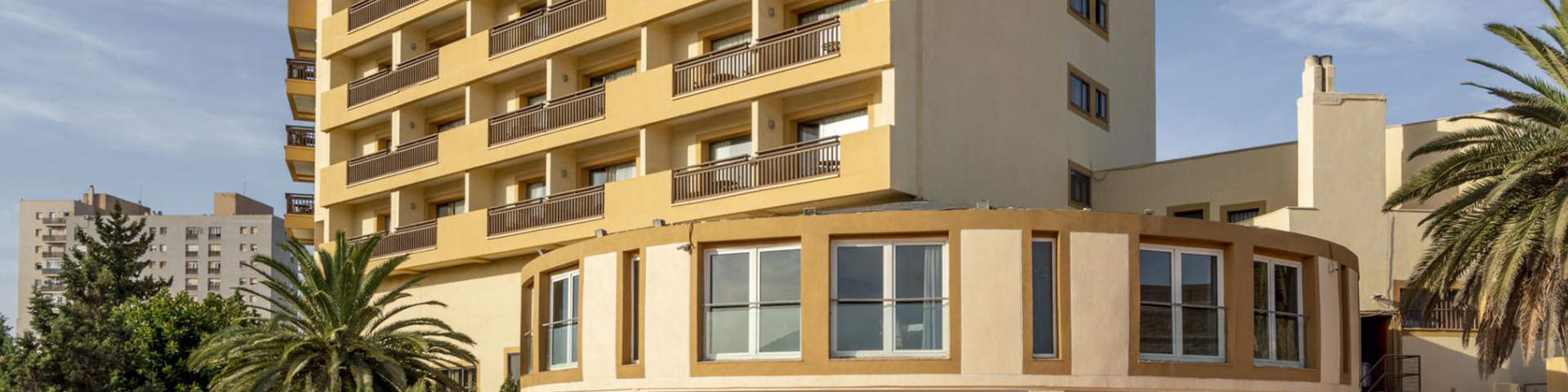
The Parador of Melilla is set to be reborn, with increased sustainability and comfort
The Parador of Melilla is facing one of the most significant transformations in its history with a redevelopment aimed at modernizing its facilities, improving accessibility, restoring the building's original image, and moving toward a much more sustainable model. The work will require the temporary closure of the establishment, starting in October 2026, with plans to reopen by the end of 2027 or early 2028. The renovation marks a new horizon for an establishment that is destined to strengthen the tourist appeal of Melilla through a more modern, comfortable proposal in line with the new demands of travelers. This project involves a comprehensive intervention aimed at enhancing guest experience, updating operational spaces, and equipping the building with more efficient technical solutions. The total planned investment amounts to €7.3 million. Of that amount, around 6.5 million will be allocated to the main construction works and approximately 800,000 euros will be reserved for the interior design. The initial forecast included an investment of 4 million to renovate the 40 rooms, bathrooms, and corridors, as well as to introduce improvements in common areas, exterior and interior carpentry, accessibility, and facilities. During the planning of the project, the scope was expanded to address new needs, including the complete renovation of the telecommunications network. One of the most visible features will be the redevelopment of the façade, which seeks to restore its original state and return the building to the appearance it was designed to have. Inaugurated in 1973, the building will reinforce its architectural identity, more closely linked to its origins and reinterpreted from a contemporary perspective. Meanwhile, the interior design will follow the same line: to recover the essence of the Parador inspired by the 1970s and 1980s, but adapted to current standards in comfort. The proposal aligns with Melilla’s character as an open, diverse city marked by a recognizable architectural identity. The renovation also includes improvements aimed at the establishment’s internal operation, such as the air conditioning of the kitchen and laundry areas, the refurbishment of locker rooms, and the adaptation of rooms designated for staff. These steps will complete a renovation that not only focuses on the client but also on the quality of the workspaces.
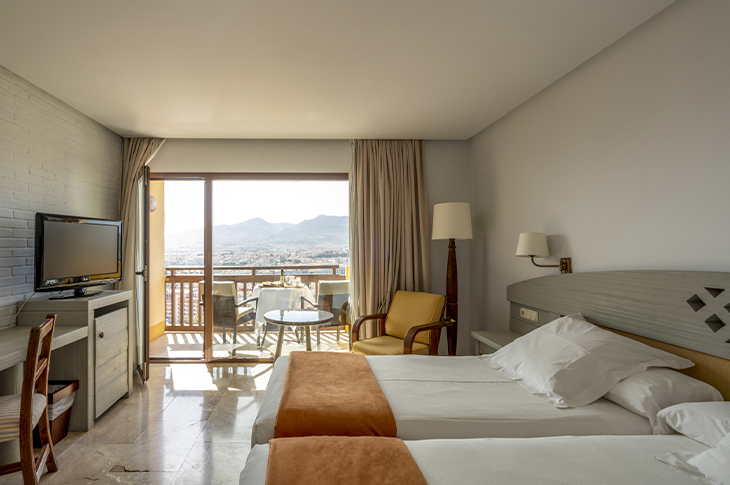
Sustainability will be another cornerstone of this project. The Parador de Melilla is part of the thirteen establishments included in the Paradores Energy Efficiency Shock Plan. The installation of thermosolar and aerothermal systems will reduce the dependence on diesel and lower annual CO₂ emissions by 80%, as well as generate an estimated financial saving of around 20,000 euros per year. The renovation comes at a time of positive development for the establishment. In 2025, it achieved an average occupancy of 67%, six points higher than the previous year, with more than 9,000 guests accommodated, and a 35.5% increase in meals sold. As a result of this renovation, the Parador of Melilla is preparing for a new phase focused on higher-quality, more responsible tourism with a greater capacity to impact the destination.
Location
Melilla is a Spanish autonomous city located in North Africa, on the shores of the Mediterranean Sea and next to the Alboran Sea, bordering Morocco. Its main access points are Melilla Airport and the Port of Melilla, which has maritime connections with the cities of Málaga, Almería, and Motril.