
From terroir to experience: Navarre's comprehensive offering
Historic wineries and ecological projects drive a competitive destination
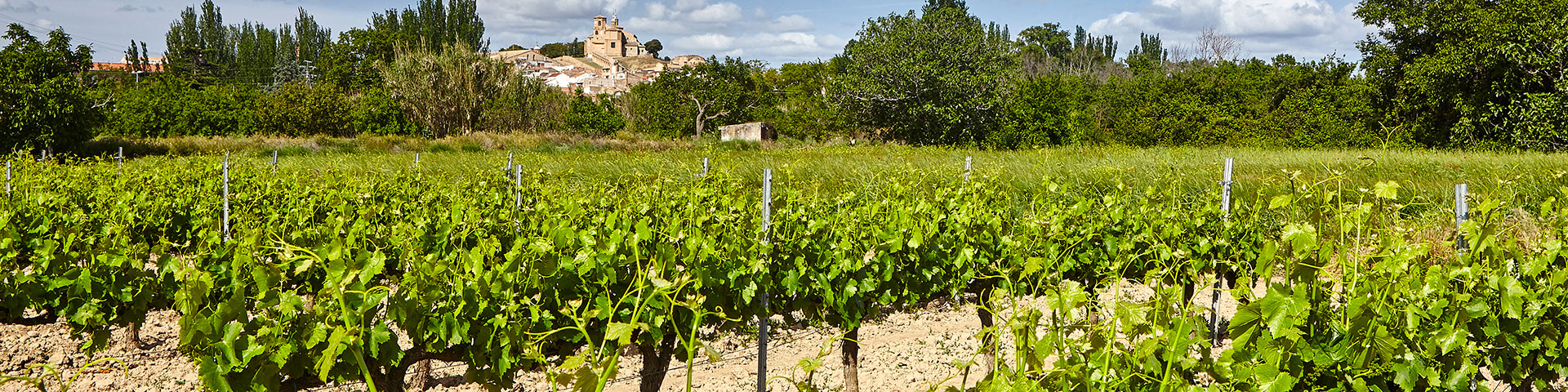
Navarre has consolidated a wine-tourism model that combines its diverse landscapes, winemaking tradition, and a clear commitment to sustainability, developing proposals that integrate historical heritage, distinct microclimates, and high-value sensory experiences. All of this allows the region to attract discerning travelers seeking authenticity, a territorial narrative, and a direct connection with those who craft wines capable of precisely expressing the identity of each soil. Between the northern mountains and the plains of the Ebro valley, a mosaic of 5 wine-growing areas unfolds—Tierra Estella, Valdizarbe, Baja Montaña, Ribera Alta, and Ribera Baja—explaining the singularity of the D.O. Navarra. 9,000 hectares of vineyards form a showcase of terroirs in which the Grenache grape serves as the common thread. Cultivated here since the 17th century, this variety has adapted to each soil and microclimate, giving rise to iconic rosés made using the traditional saignée method, as well as expressive reds and fresh whites with real personality. The transformation that began in the 1980s with the introduction of international varieties and a new generation of winemakers committed to respecting origin and quality, placed Navarre front and center within the wine landscape of Spain and on the international stage. Today, historic wineries live side by side with modern projects that share a vision: turning the visit into a comprehensive experience.
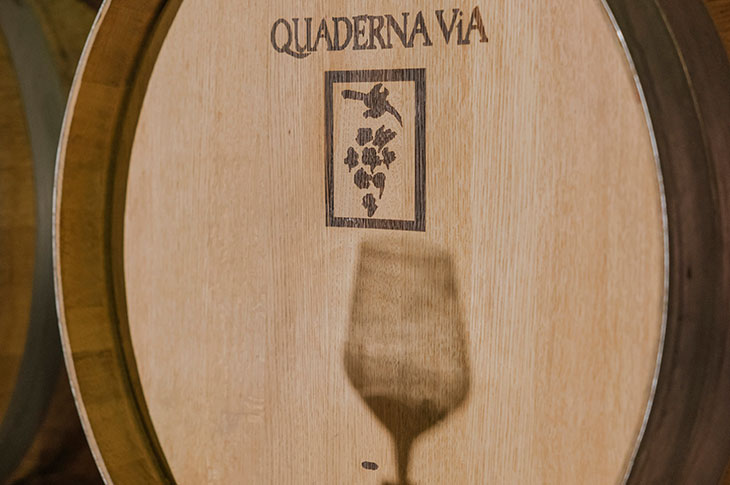
In the Tierra Estella area, Quaderna Vía, a pioneer of organic wine in Navarre, focuses on biodiversity as a distinctive element, while Emilio Valerio offers a cross-cutting experience combining wine, oil, and craft beer into a single tour. In the Mid-Region, the Palacio de los Mencos allows visitors to journey across six centuries of history within a winery that has maintained its original structures, on a tour rounded off with a tasting to bridge past and present. Near Pamplona, the Otazu Winery combines art, architecture inspired by French châteaux, and recognition as a D.O. Protegida Pago, with a narrative in which wine and culture enter into dialogue amidst a landscape of high value. The Low Mountain zone offers micro-parcel proposals and limited productions such as those of the Caudalía Wineries, focused on the versatility of garnacha, while Mendiko and Azpea have reinforced their commitment to organic farming for decades. Nestled at the foothills of the Urbasa-Andía Mountain Range, Lezaun merges sustainable viticulture, horse-drawn carriage rides through vineyards, and a culinary offering based on local products, expanding the experience into the culinary realm. The result is a cohesive destination, where monasteries, castles, gorges, and villages come together to form routes offering comprehensive programs. Navarre is about more than just wine: it offers up its territory, a narrative, and experiences that will remain etched in the visitor’s memory.
Location
The region of Navarre is located in northern Spain, at the western end of the Pyrenees, bordering France, the Basque Country, La Rioja, and Aragon. By road, it is mainly accessed via the AP–15 motorway and the A–15 and A–21 highways. It enjoys transport links through Pamplona airport and railway stations in Pamplona and Tudela.