
Blue tourism in Malaga: maritime tradition and unique experiences
The Costa del Sol promotes authentic marine activities combining nature, sport, and culture
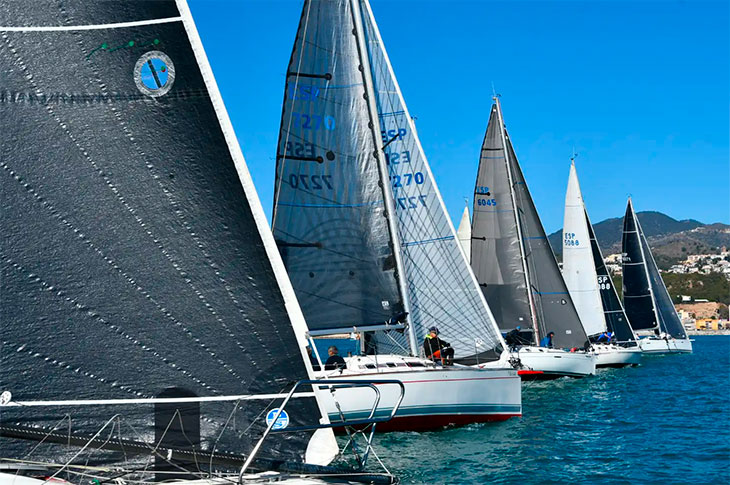
The Costa del Sol offers a fresh outlook toward the Mediterranean through the Blue Path, an initiative that combines sustainability, marine culture, and year-round accessible nautical experiences, creating a blue-tourism model that invites visitors to discover the coastline in a respectful and exciting way. With more than 190 proposals on offer, a significant heritage component, and technological innovation, Malaga has redefined its maritime identity from a contemporary perspective. The Blue Path covers 160 kilometers of coastline and brings together activities and locations connected to the sea. From kayaking outings to scuba-diving immersion experiences, gastronomic routes and whale-watching trips, the coastline is transformed into a diverse setting that goes beyond traditional sun-and-beach tourism to offer proposals linked to nature, sport, and culture. This network is structured around three pillars: the nautical aspect with clubs and marinas; the experiential dimension linked to diving schools; and the heritage sphere, dedicated to the province’s maritime memory. One of the keys to this project is its inclusive nature. The Nautical Centers and Sea Schools, located in municipalities without marinas, open up access to the sea for families, schoolchildren, the elderly, and groups with reduced mobility, providing spaces for learning and leisure that promote respect for marine systems. The opportunity to row in smack boats, pilot a catamaran, or learn to sail turns the sea into a shared, active, and accessible space.
Malaga’s maritime identity is also reinforced thanks to initiatives that revive traditions such as introductions to smack rowing, carried out in collaboration with the Traditional Rowing Association. What’s more, initiatives like Málaga, la mar de vinos (Malaga, the sea of wines) connect the most local gastronomy with wines from the Málaga and Sierras de Málaga designations of origin, highlighting the close relationship between culture, territory, and flavor. The technological component drives an innovative approach to the coastline through its Blue Points: interpretive spaces that use virtual and augmented reality to explore unique locations such as the El Cantal Cliffs, soon to be expanded with new sites in the towns of Nerja and Mijas. On top of all this, the Málaga sumergida (Underwater Malaga) guide reveals archaeological and natural treasures beneath the surface, from reefs and posidonia meadows to Roman shipwrecks. In short, the Blue Path consolidates a contemporary vision of the Costa del Sol, as tradition, innovation, and sustainability intertwine to create a living, emotive Mediterranean deeply connected to its history.
Location
The Costa del Sol, in southern Spain, is located in the province of Malaga (Andalusia) and stretches along the Mediterranean coastline. Its main access point is Malaga–Costa del Sol Airport, while it is also served by the Malaga–María Zambrano (AVE high-speed rail) station, Malaga Port, and connections via the A–7 and AP–7 highways.