
Mallorca prepares its own Way of St. James route
A new pilgrim experience connecting 10 towns and villages on the island
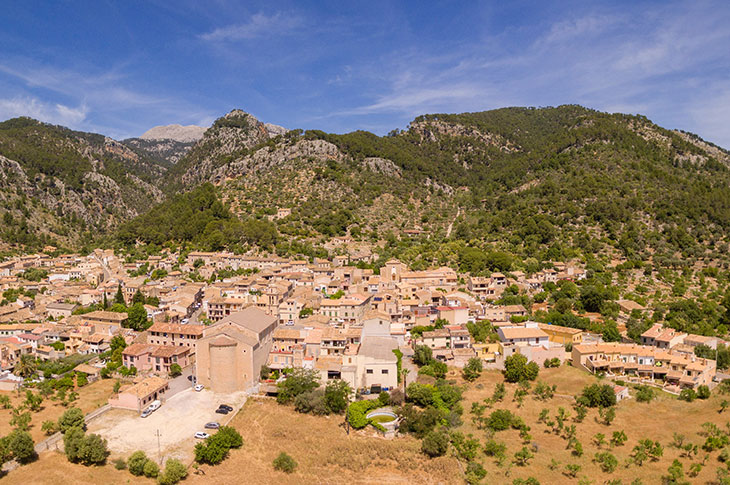
Mallorca, in the Balearic Islands region, is preparing to launch a new official Way of St. James route that will cross the island from north to south, linking the Lluc Sanctuary with the Sant Jaume Church in Palma along a carefully designed itinerary of approximately 41 miles. The project breathes new life into the trail’s spiritual and cultural dimension to offer pilgrims and travelers an experience faithful to the Jacobean tradition. The route, designed by the Dry Stone Unit, will cover 41.7 miles, with a main journey of 36.1 miles and an additional 5.6 miles, equipped with access points designed to improve continuity, safety, and orientation for walkers. The journey through Caimari, Selva, Inca, Lloseta, Binissalem, Alaró, Consell, Santa Maria del Camí, and Marratxí will allow visitors to discover the variety of landscapes and towns in the island’s center, while stops at the Mare de Déu de Montserrat Church and the Sant Jaume Church will reinforce the walk’s spiritual dimension.
One of the most symbolic elements of this project is the creation of a specific seal for each town or village, allowing pilgrims to stamp their passport according to tradition. FELIB has played a key role in this process, supporting the initiative from its inception and emphasizing the importance of giving it its own unique identity. The Consell de Mallorca estimates that the final draft of the project will be ready in the first half of 2026, from which point route signage will begin to be installed and the necessary works carried out to ensure a safe and accessible journey. This will be the first official Way of St. James route starting in Mallorca, aiming to become a transformative experience for those seeking to walk and connect with the spiritual legacy of the Balearic Islands.
Location
Mallorca, in the western Mediterranean Sea, is primarily connected via Palma de Mallorca Airport and the ports of Palma, Alcúdia, and Sóller. The internal road network ensures access between municipalities, while Mallorca's train and metro networks link Palma with various towns in the center of the island.