
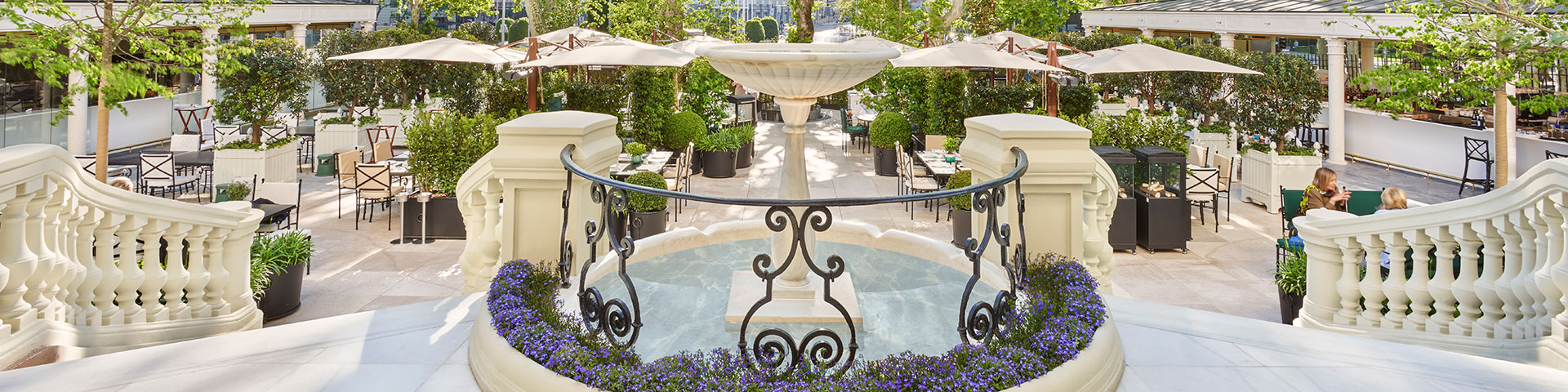
Madrid consolidates itself as the European capital of high-impact tourism
The city combines high-end hospitality, premium experiences, and cultural heritage to attract international travelers
Madrid is strengthening its international positioning as one of the most dynamic urban destinations for high-impact tourism in Europe. The city has entered a new phase of tourism maturity, in which growth is no longer measured solely by volume but by value. Its selection as the site of the Virtuoso headquarters in continental Europe marks a turning point that consolidates its evolution toward a model based on quality, operational excellence, and the ability to generate sustained economic impact. Virtuoso, the global leading network of luxury travel agencies and exclusive experiences, brings together over 20,000 specialized advisors and works with more than 2,200 companies in the sector, making it an essential influencer in the field of high-end tourism. Their decision to establish a hub for continental Europe in Madrid not only responds to certain operational factors, but also places the city firmly within the global circuit of premium tourism. The High-Impact and Sustainable Tourism in Madrid study, prepared by Virtuoso for the City Council and the Community of Madrid through Madrid Turismo by IFEMA, has found that this traveler profile contributes around €980 daily to Madrid’s economy, with an average stay of seven days and an approximate total impact of €6,860, when considering direct, indirect, and induced effects. Their contribution can be up to 2.4 times greater than that of the conventional tourist, given that they allocate more resources to accommodation, gastronomy, shopping, and experiences. The city offers a high-end hotel infrastructure fully integrated into the urban fabric, present in both the historic city center and the main cultural neighborhoods. The Community of Madrid boasts 41 five-star and five-star Grand Luxury hotels, totaling more than 6,600 rooms and exceeding 13,600 beds; of these, 36 are located within the capital. Gastronomy also plays a key role in the high-impact traveler’s experience, as more than a third of this profile plans to include at least one high-level culinary offering during their stay. The capital is home to 31 Michelin-starred restaurants, with a further 35 in the entire region, giving a total of 43 Michelin stars. One of the differentiating pillars of this experience is art: not just because of the international relevance of its major museums, but also thanks to the breadth and dynamism of its exhibition ecosystem. Alongside the central Landscape of Light—made up of renowned institutions such as the Prado Museum, the Thyssen-Bornemisza Museum, and the Reina Sofía Museum of Art—Madrid offers up a network of galleries distributed across neighborhoods like Chamberí, Salesas, Lavapiés, Salamanca, and Carabanchel. This combination of heritage, markets, and a vibrant artistic scene is reinforced by events such as ARCOmadrid, which positions the city as an international meeting point for collectors and contemporary creation.
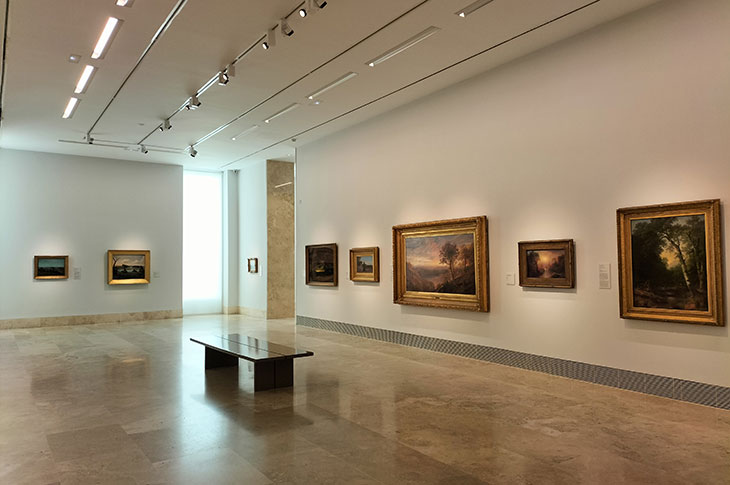
This experiential component strengthens the destination’s positioning with a selection of premium proposals ranging from VIP access to sporting and cultural events to private museum tours, high-level culinary experiences, and exclusive activities linked to leisure and wellness. This type of product responds to a growing demand for personalization, differential access, and unique experiences, where luxury is increasingly defined by uniqueness rather than flashiness. At the same time, the city has successfully capitalized on its local identity as a key distinguishing element. Interest in traditional commerce, craftsmanship, major brands, historic neighborhoods, and living culture has driven premium consumption. Tax-free spending on luxury purchases grew by 163% between 2023 and 2024, according to the Virtuoso study, with an average purchase value close to €2,600, placing Madrid among the European destinations with the highest profitability per visitor in terms of high-end shopping. This segment reflects a structural transformation of the capital’s tourism model. The combination of luxury hospitality, cultural heritage, exclusive experiences, and international travel links positions Madrid as one of the most competitive destinations in global premium tourism.
Location
Madrid is located in the center of Spain, as the capital of both the country and the Community of Madrid. It is served by the Adolfo Suárez Madrid–Barajas Airport, approximately 7.5 miles from the city center. It enjoys high-speed rail service (AVE) from the Atocha and Chamartín stations, and is connected to radial highways (A–1 to A–6). The city does not offer maritime access.